WNBA’s New CBA Reshapes Future for Young Athletes in Athens

Inside a gym just outside Athens, the sound of sneakers cutting across hardwood echoes through the afternoon. Basketballs bounce in rhythm as players move from drill to drill, locked into a routine that looks familiar.
What feels different is what comes next.
For years, the path for young women in basketball came with an understanding: even at the highest level, financial stability was not guaranteed. Playing professionally often meant splitting time between the WNBA and overseas leagues just to make a living.
Now, that reality is changing.
A newly negotiated collective bargaining agreement between the WNBA and its players’ union is redefining what a professional career in women’s basketball can look like. The deal raises salaries, ties player earnings to league revenue, and expands benefits, creating what many see as a turning point for the sport.
At programs like Doggs Elite, that shift is already shaping how young athletes think about their future.
“In the past, they weren’t making as much money,” said Britton Bryant, a player with the program. “But now that they are making the money that they deserve, I feel like I can pursue what I love and still live comfortably.”
A Deal Years in the Making
The agreement did not come quickly.
The previous CBA, signed in 2020, was considered progress at the time, introducing improved salaries and benefits. But as the league grew in visibility and revenue, players argued the system no longer reflected their value.
In October 2024, the Women’s National Basketball Players Association opted out of that deal, triggering a new round of negotiations. Talks stretched for months, with deadlines extended multiple times as both sides worked toward an agreement.
At the center of those discussions was a core issue: how much of the league’s revenue should go to players.
Under the old system, WNBA players earned a significantly smaller share of revenue compared to their NBA counterparts. The new agreement introduces revenue sharing, giving players a direct stake in the league’s financial growth.
The final deal, reached after more than 100 hours of negotiations in New York, runs through 2032.
It includes a dramatic increase in the salary cap, higher minimum and maximum salaries, and expanded benefits such as improved travel, healthcare and family planning support.
For the first time, seven-figure annual earnings are within reach.
Changing the Professional Landscape
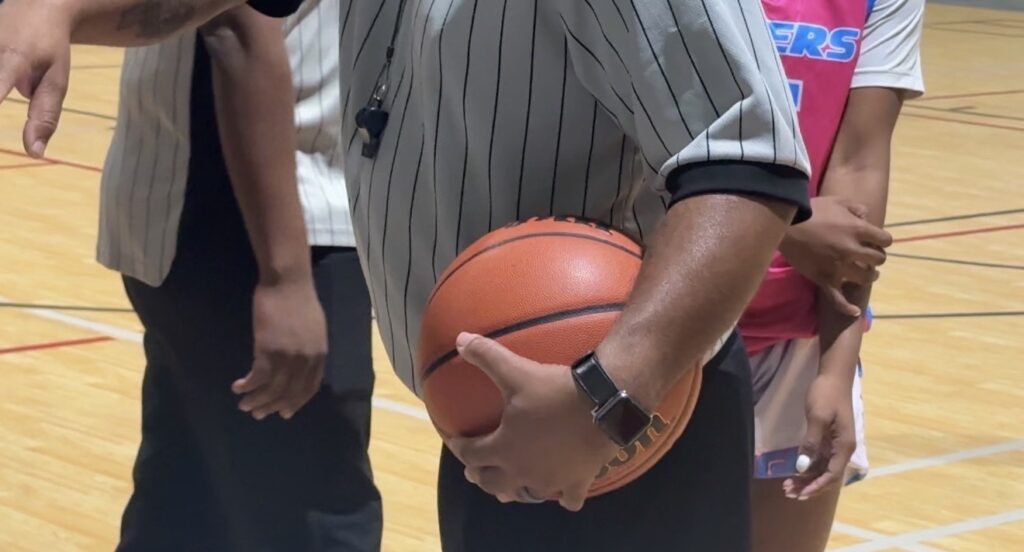
The impact of the agreement is already visible across the league.
Teams now operate with significantly more financial flexibility, allowing them to build rosters in ways that were not previously possible. Free agency has become more active, with players moving teams and signing larger contracts that better reflect their market value.
That shift also changes how teams compete.
While some organizations still lack top-tier facilities, increased salary caps give them another tool to attract talent. Financial offers now carry more weight in player decisions, creating a more balanced competitive landscape.
The agreement also introduces structural requirements for teams, including expanded staffing, improved recovery resources and additional support systems for players.
For many, those changes signal a move toward treating WNBA athletes more like their counterparts in men’s professional leagues.
“They deserve to get treated like professionals, no matter what gender they are,” said Doggs Elite coach John Ansley. “They deserve equality.”
A Shift Beyond the Court
The effects of the new CBA extend beyond current players.
For decades, many WNBA athletes played overseas during the offseason to supplement their income. That reality carried risks, including time away from family and, in some cases, exposure to unsafe situations.
Sports economist David Berri believes the new financial structure will change that dynamic.
You’re not going to see WNBA Americans go to Europe anymore,” Berri said. “There’s just no point in doing it.”
That shift could reshape the global landscape of women’s basketball, keeping top talent in the United States year-round.
It also has implications for younger athletes deciding which sport to pursue.
“I think it is the case that, given that money now exists in the WNBA, you’re going to start seeing a lot of young girls choose to pursue basketball versus other sports,” Berri said.
A New Way of Thinking
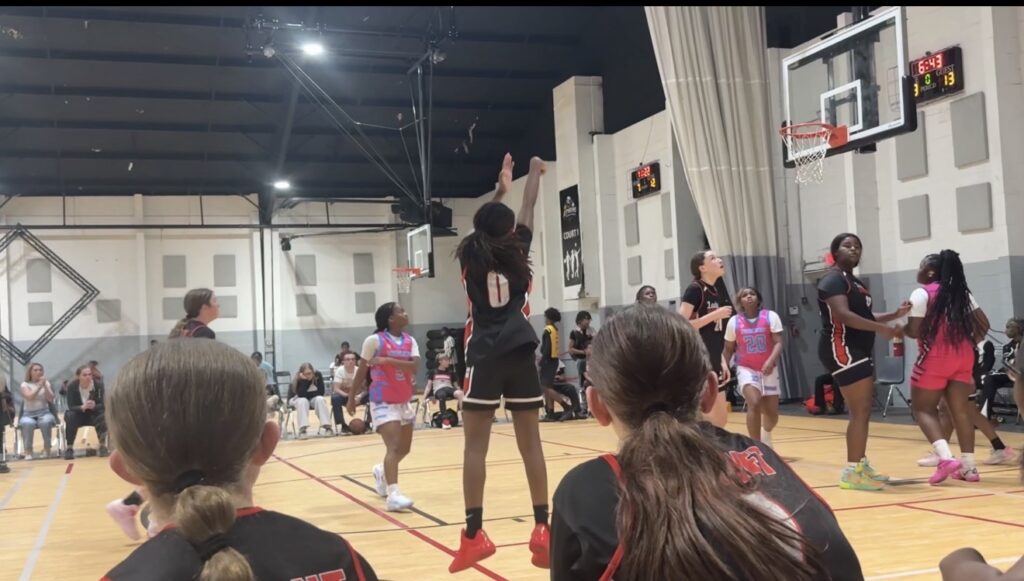
At Doggs Elite, that shift is already visible.
During a recent tournament, players moved between drills, some casually tossing a basketball back and forth like a volleyball during warmups. The moment was small, but it reflected something larger: the overlap of sports and the choices young athletes face.
For many, those choices now come with a new perspective.
“I feel like that will be better for me to want to pursue my love of basketball,” said Elani Sims, another player in the program.
Others see it as motivation.
I feel like it pushes me to want to play the sport more,” Sims said.
Bryant echoed that sentiment, pointing to the long-term impact of the changes.
“I feel like it gives me hope for the future,” she said.
Looking Ahead
For coaches and players alike, the new CBA represents more than financial growth — it represents possibility.
What once felt like a long shot now feels attainable.
“We just got the train rolling,” Ansley said. “And it will be at full speed once the next generation gets there.”
Back inside the gym, practice continues much the same as it always has. Drills repeat. Coaches call out instructions. Players push through fatigue.
But the path they are working toward looks different now.
For the first time, the future they are chasing comes with a clearer sense of what is possible.
Hunter Jones is a graduate student in journalism in the Grady College of Journalism and Mass Communication at the University of Georgia.