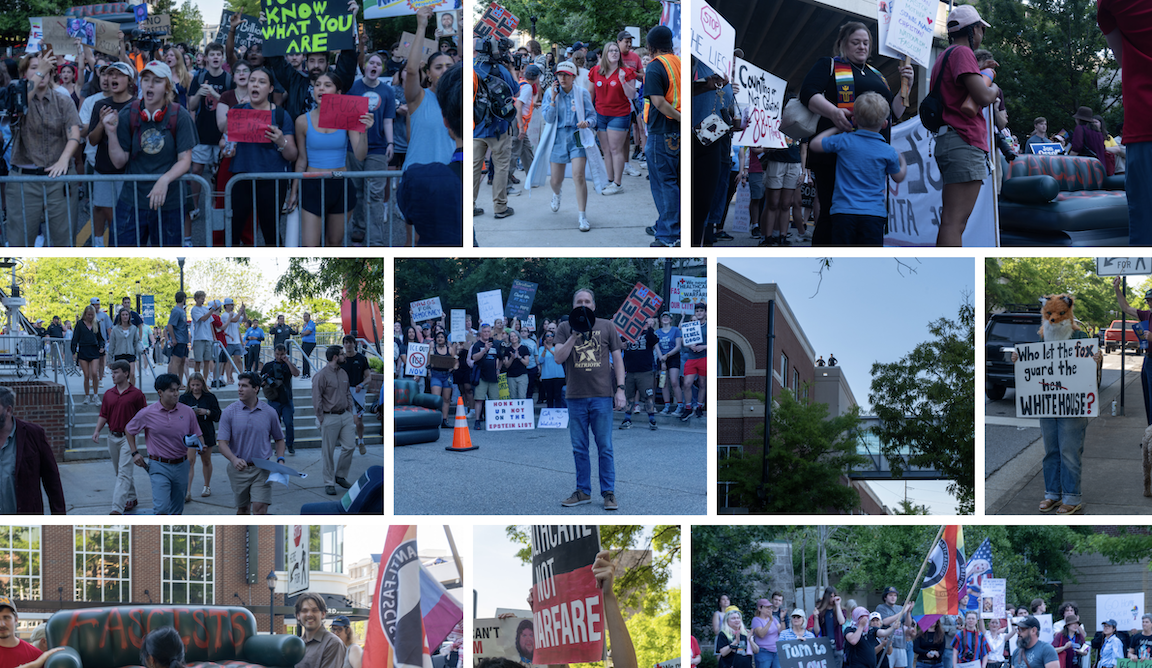
To further our mission to talk about process and quality in journalism, each guest curator has highlighted what they see as the “don’t want to miss” pieces posted to Grady Newsource during a semester, along with some constructive reflection about the journalism.
About This Month’s Guest Curator
Chamian Cruz is the criminal justice reporter at WABE, Atlanta’s NPR affiliate. She covers everything from Georgia’s jail and prison system to alternatives to arrest to the technologies shaping policing. Chamian draws from almost a decade of experience working in local newsrooms, including The Northeast Georgian, the Gwinnett Daily Post and Appen Media. Her work has earned her several awards from the Georgia Press Association and the Society of Professional Journalists. While she is a 2018 graduate of Appalachian State University in Boone, North Carolina, she was raised and now has a home in metro Atlanta.
Guest Curator Selections
1. “Eligible but Uninterested: Why UGA Club Women’s Lacrosse Team Prefers to Stay Club”

Interesting deep dive, even for someone like me who doesn’t follow sports. The reporter uses data, interviews and research to lay out the facts about a possible legal concern while helping readers get to know the team members and their values. I also thought the pull quote captured the essence of the story perfectly, which was a nice way to break it up.
2. “How Athens’ Only Art House Theatre is Bridging the Gap Between Cost and Community”
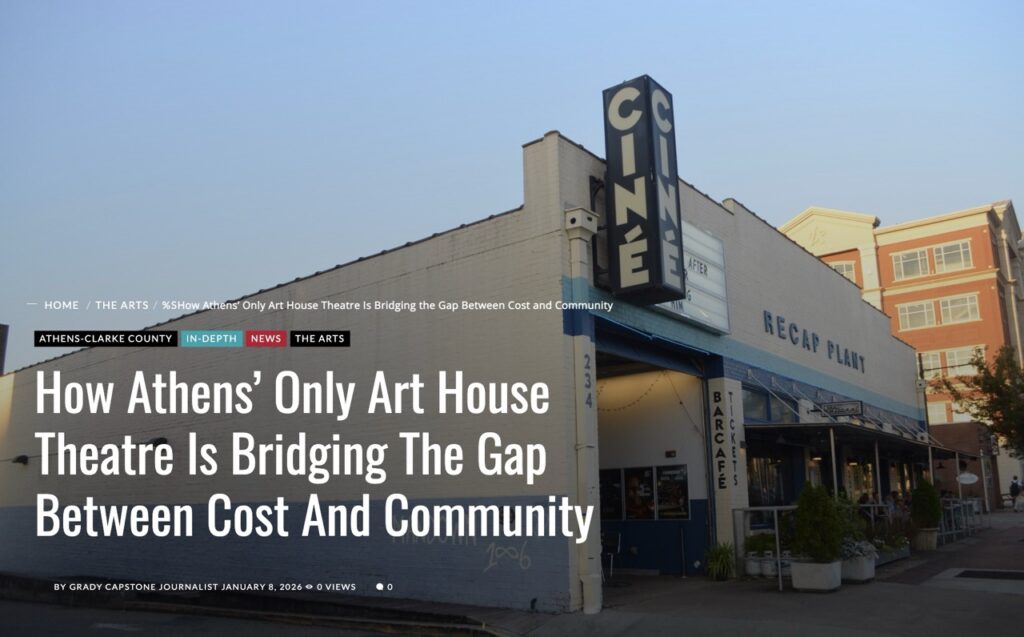
Regardless of whether you’re working for a national or local news outlet, it’s important to be able to illustrate for readers how an issue impacts them. This story is a great example of that, and I like that it ends with a call to action. The graph, pull quote and photos also made the story easier to digest.
3. “Visa Changes, Uncertainties Put UGA International Scholars, Science at Risk”
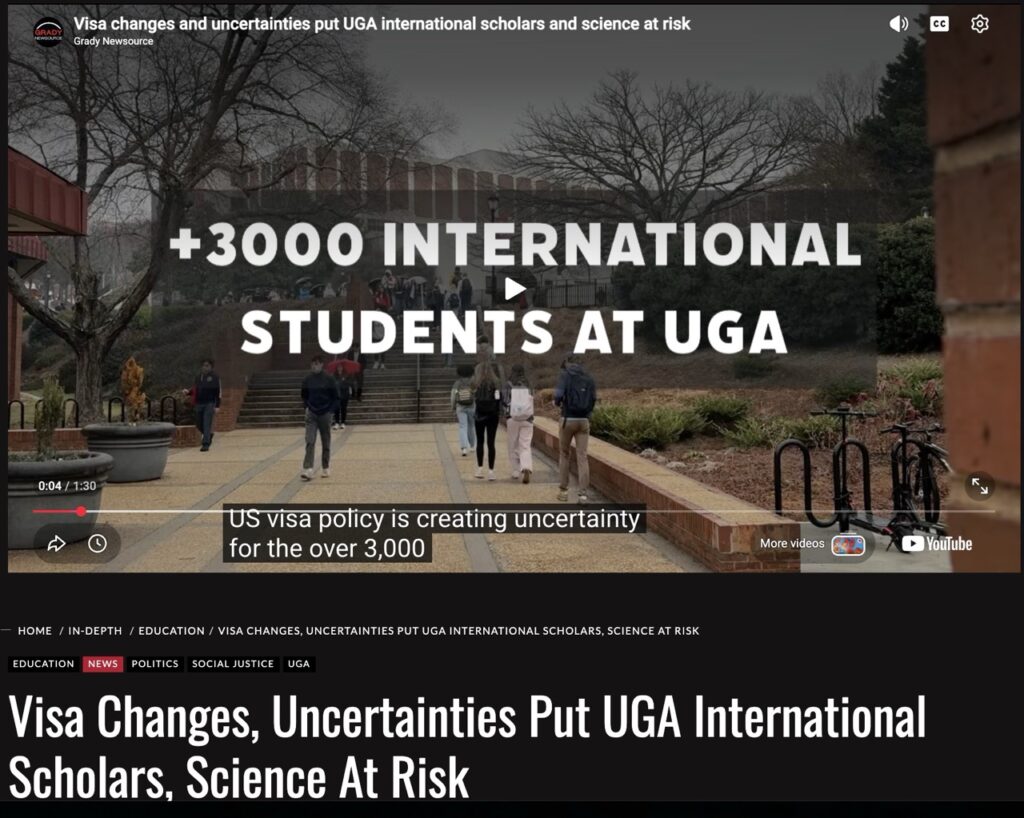
This story moves past initial, surface-level reports on controversial policies and helps put a face on the people affected by them. It’s one way to hold power accountable. The reporter also does a good job of granting sources anonymity when it’s necessary for their safety. Their claims are either backed by other named sources or data. All the photos, subheads, pull quotes, graphs and video make it engaging for readers, too.
4. “More Than Clothes: Athens Thrift Store Helps Women Rebuild their Lives”

What a great find! I like that this story highlights a local business and touches on several important issues, including sex trafficking and fast fashion. I can see this being covered by either a general assignment reporter or beat reporters, such as business and criminal justice. The social media video was also engaging, with footage from the boutique and individual interviews.
5. “Athens-Clarke County Planning Commission Unanimously Approves Data Center Regulations”

Covering local government and being able to translate complex legislative jargon into relevant, actionable information for the public is extremely important. I like how multiple voices were included in the piece, allowing them to share their concerns and expertise on data centers. All the cuts in the video and somewhat playful script also work well, especially for social media, which journalists are increasingly using to disseminate information to a wider audience.