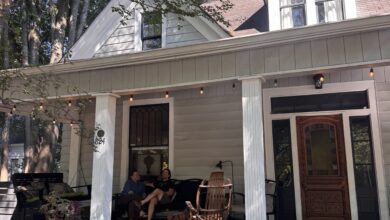
Inside the Athens loop is a street lined with mature oaks and maples, where the canopy stretches overhead like a living roof. In neighborhoods such as Forest Heights, trees are more than aesthetic scenery. They are a legacy of resilience and community care.
In 2005, Athens-Clarke County adopted the Community Tree Management Ordinance to sustain and enhance the benefits of trees for its citizens. The ordinance requires at least 45 percent canopy coverage, recognizing trees as vital for air quality, local climate, property values and overall public health.
Athens has more than exceeded the initial goal.
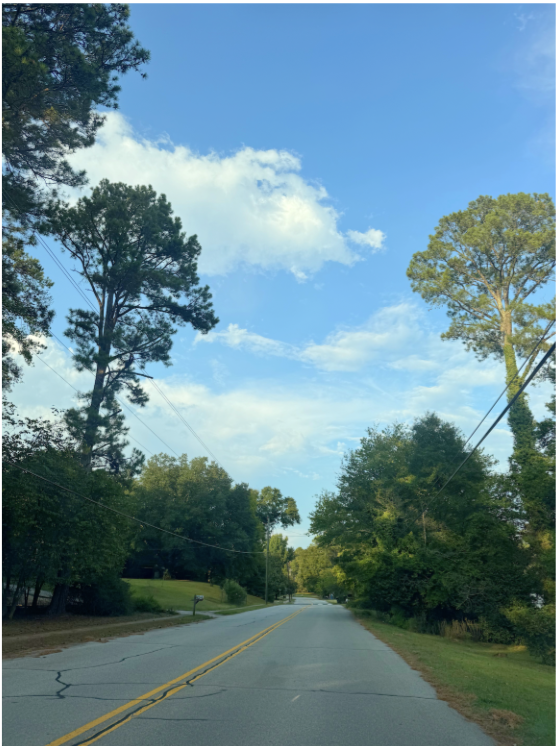
A 2021 Community Tree Study, conducted by UGA students and the Georgia Forestry Commission, found Athens has 58.2 percent canopy cover and 176 trees per acre. That is the highest documented canopy of any U.S. city with a population over 100,000.
Matthew Mateo Fennell, community forester with Athens-Clarke County Landscape Management, said the canopy is more than an environmental asset.
“Forest Heights is an example of a place in the Athens circle that rebounded from a tornado that occurred in the 70s through tree planting and forestry,” Fennell said. “That area was left barren, and the community took it upon themselves to replant what was there, eventually growing to what it is now.”
That unusually violent F4 tornado of March 31, 1973 killed two people, injured about 100, and left behind $113 million in damage, stripping away forests and canopy that residents later replanted into the shaded neighborhood seen today.
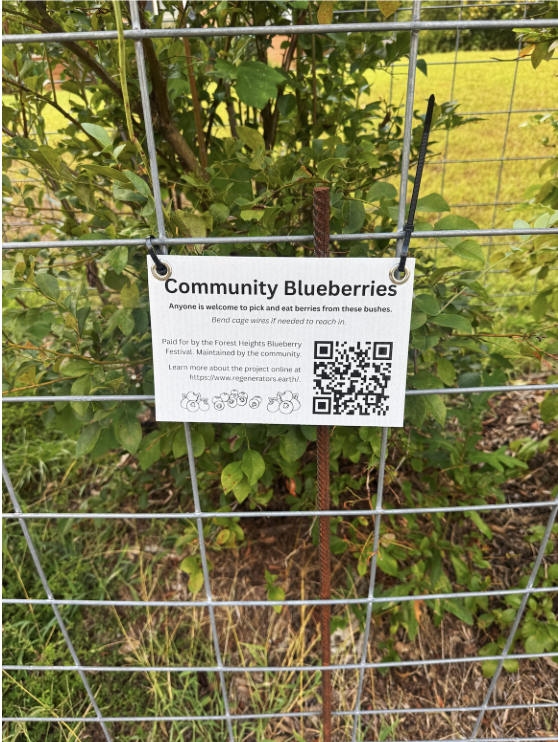
Fennell also added that Forest Heights residents even maintain communal blueberry bushes.
“It’s a take-some, provide-some, policy,” Fennell said. “People can walk by their neighboring house and pick some to take. They are big advocates for planting new things.”
Risks tied to urbanization are becoming harder to ignore.
As cities expand, development often comes at the expense of natural shade and cooling, and Athens’ canopy faces a slow decline. Trees are critical to combating the urban heat island effect, reducing greenhouse gases and keeping neighborhoods livable. With the ordinance nearing its 20-year anniversary, Athens is at a turning point in how it protects its shade.
But tree canopy loss is real. An Athens-Clarke County project report documented tree removal along the North Oconee River for a Georgia Department of Transportation project. Removing trees reduces shade, raises local temperatures and weakens the natural ability to store carbon.
It’s a local example of deforestation, where development chips away at tree coverage that protects communities. Beyond losing shade, deforestation also accelerates climate change by stripping away one of the most effective natural tools for absorbing greenhouse gases.
Fewer trees means that more heat is being absorbed by pavement and buildings, thus amplifying the increasing energy use for cooling.
Students feel the difference, too.
UGA senior and Athens home renter Josie Tran notices the contrast between shaded green spaces and treeless plazas on her weekly walks. She often passes through Forest Heights with friends, and she said the neighborhood’s canopy makes the temperature drop feel immediate.
To her, shaded areas are easy to spot across Athens.
You can just feel the difference, even walking to class,” said Tran. “I literally feel relieved when I walk through a neighborhood with tree coverage. It’s just gotten so hot.”
Looking ahead, Fennell hopes to update the ordinance to include stronger parking lot tree requirements, an area where UGA students frequent.
“We’ve always been known as a very canopy-heavy place,” he said. “And we’re trying to keep it that way.”
Athens’ canopy is more than shade. It is a community commitment. The canopy coverage is a frontline defense against climate change, helping Athens reduce urban heat, lower greenhouse gas emissions and build resilience for the future.
From ordinances to grassroots planting, residents are ensuring the city’s identity remains rooted in trees.