One Heart Beat at a Time: Disproportionate Impact of Heart Disease on Black Women

Despite being the leading cause of death for Black women in the United States, cardiovascular disease remains widely unrecognized and undiagnosed.
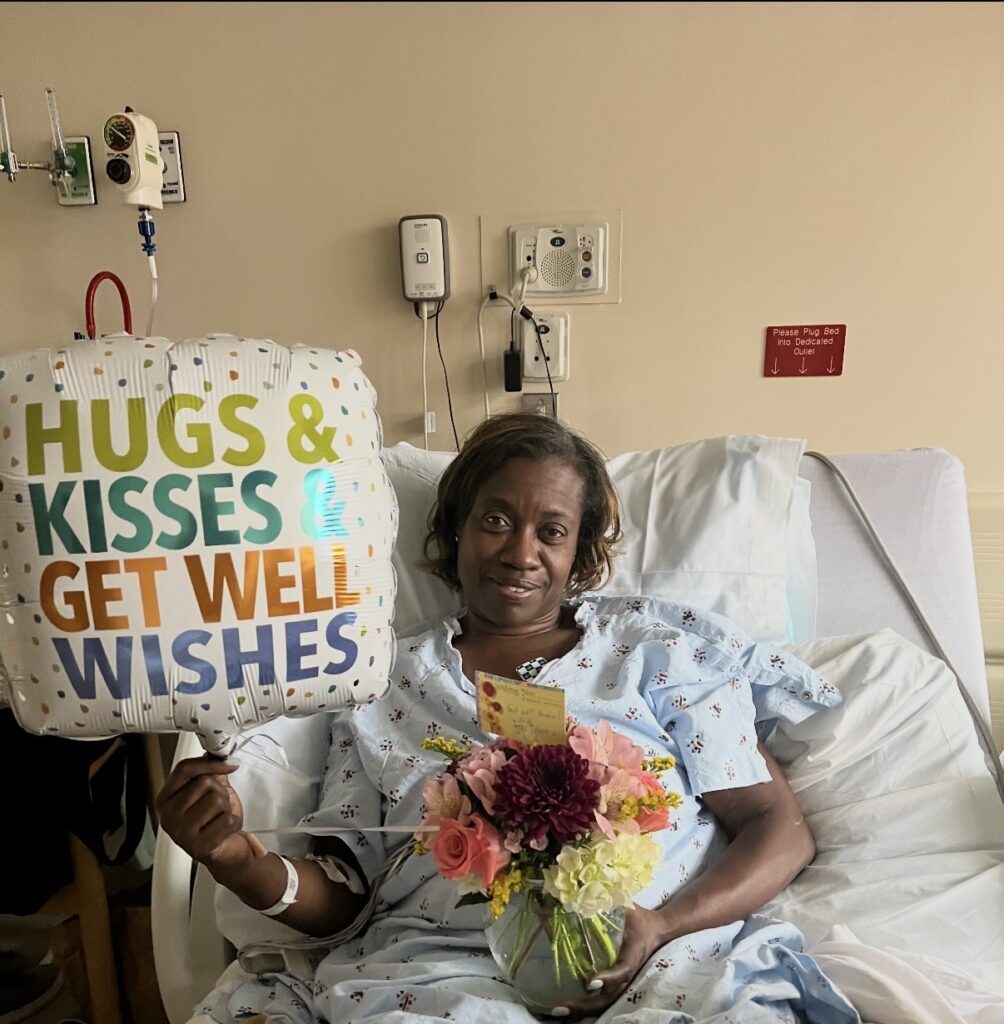
This became reality for Karen Hill, a Georgia mother, who woke up in the middle of the night struggling to breathe. What began as shortness of breath, persistent cough, fatigue and swelling in the joints, soon led to a life-altering diagnosis.
With her heart functioning at just 25 percent, Hill was diagnosed with congestive heart failure in April 2022.
Signs She Couldn’t Ignore
“I noticed that I was pretty fatigued, which was very unusual for me because I’m a pretty hyperactive individual,” Hill said.
At first, she brushed it off, but as weeks passed, her symptoms worsened.
“When I would go to bed, I would lie on my back, and I wasn’t able to lie on my back anymore. I would have some issues breathing, or I was either coughing,” said Hill. Despite her body sending signals, she did not initially connect these symptoms with heart-related issues.
Climbing stairs shortly led to grasping for air; her cough was persistent with mucus, and her legs began to swell. A sudden thought urged her to go to the emergency room.

I felt really strange, and there was just this thought that came in my mind that said, if you don’t go to the ER, you’re not going to make it,” Hill said.
After arriving one night in the emergency room, doctors came in and confirmed that it was congestive heart failure. For someone who had never experienced heart issues, lived a healthy lifestyle, and had no family history, this diagnosis was both shocking and life-changing.
“Those words hit really close to my chest,” said Hill.
Managing Life with Heart Failure
Hill’s treatment plan included 14 daily medications and a heart monitor vest.
“I would pretty much need to keep this life vest on for 24 hours. I was only allowed to take it off to shower,” Hill said.
She had to adjust her diet and fluid intake to manage swelling and congestion.
“I was told to lower my sodium, which I didn’t think I had a sodium problem,” she said. “Before, I didn’t eat a lot of fried foods. I didn’t think I ate junk.”
She also went from drinking over a gallon of water a day to a limit of four bottles per day.
“I immediately lost 20 pounds,” Hill said.
Despite the challenges, Hill’s diligence paid off.
In July 2022, she reached her goal: by her 60th birthday in August, she would no longer need to wear the heart monitor.
“The doctor said to me, ‘You’re one of the most incredible patients I’ve ever had. You no longer need that heart monitor,’” said Hill.
Hidden Risk Factors
Hill’s story reflects a broader issue in cardiovascular health: many early warning signs are subtle or misunderstood. Tony Wolf, laboratory director of the Integrative Cardiovascular Physiology Lab at the University of Georgia, emphasized the importance of recognizing these symptoms.
“If it’s more of a congestive heart failure, then you certainly would expect to have swelling at extremities, especially in the ankles and feet. Not only swelling, but also oftentimes it can be accompanied by bruising,” Wolf said.
According to the American Heart Association, Black women experience the highest burden of cardiovascular disease, as 59 percent of Black women ages 20 and older are living with some form of cardiovascular disease. Black women are nearly 60 percent more likely to have high blood pressure compared to White women, which increases the risk of cardiovascular disease.
Yet, early-stage cardiovascular disease goes unnoticed in the Black community.
“It’s really important to get regular screenings, especially as we age. Including blood pressure, panels for cholesterol, and blood glucose,” Wolf added. For Hill it’s about your background and being informed.
We need to get information and dig deeper into our family history to see if there’s anyone from the past, or even the present, who has suffered from any type of congestive heart failure or heart issues in general,” Hill said.
Social Determinants and Health Disparities
Wolf’s research suggests that cardiovascular risk is not only evaluated by individual lifestyle factors but is also influenced by social determinants such as access to safe environments, chronic stress and healthcare availability. For many Black women, these systemic barriers compound the risk, making targeted education critical.
Hill discovered a vitamin D deficiency, a factor linked to cardiovascular risk, yet she was unaware of its significance.
I had been told by my doctor that I had a vitamin D deficiency, but it was never really explained what it actually meant,” Hill said.
“We did find that vitamin D availability was directly related to vascular function. Vitamin D deficiency is a sign that there’s a much higher risk in people with more darkly pigmented skin, completely independent of race,” Wolf said.
Moving Ahead
Hill urges others to pay close attention to their bodies, keep health journals, research family history and monitor diet.

Both Wolf and Hill emphasize her story is a powerful reminder that heart disease can affect anyone, regardless of lifestyle habits. Today, she is still dealing with the long-term effects of heart failure and will be on medications that her heart will rely on for the rest of her life.
“I just feel like… I was chosen to be a voice, to let people know, to be a testimony, to spread the word. And I’m okay with that,” Hill said.
Kennedy Hill is a graduate student studying journalism and mass communication at the University of Georgia.