Copenhagen
-
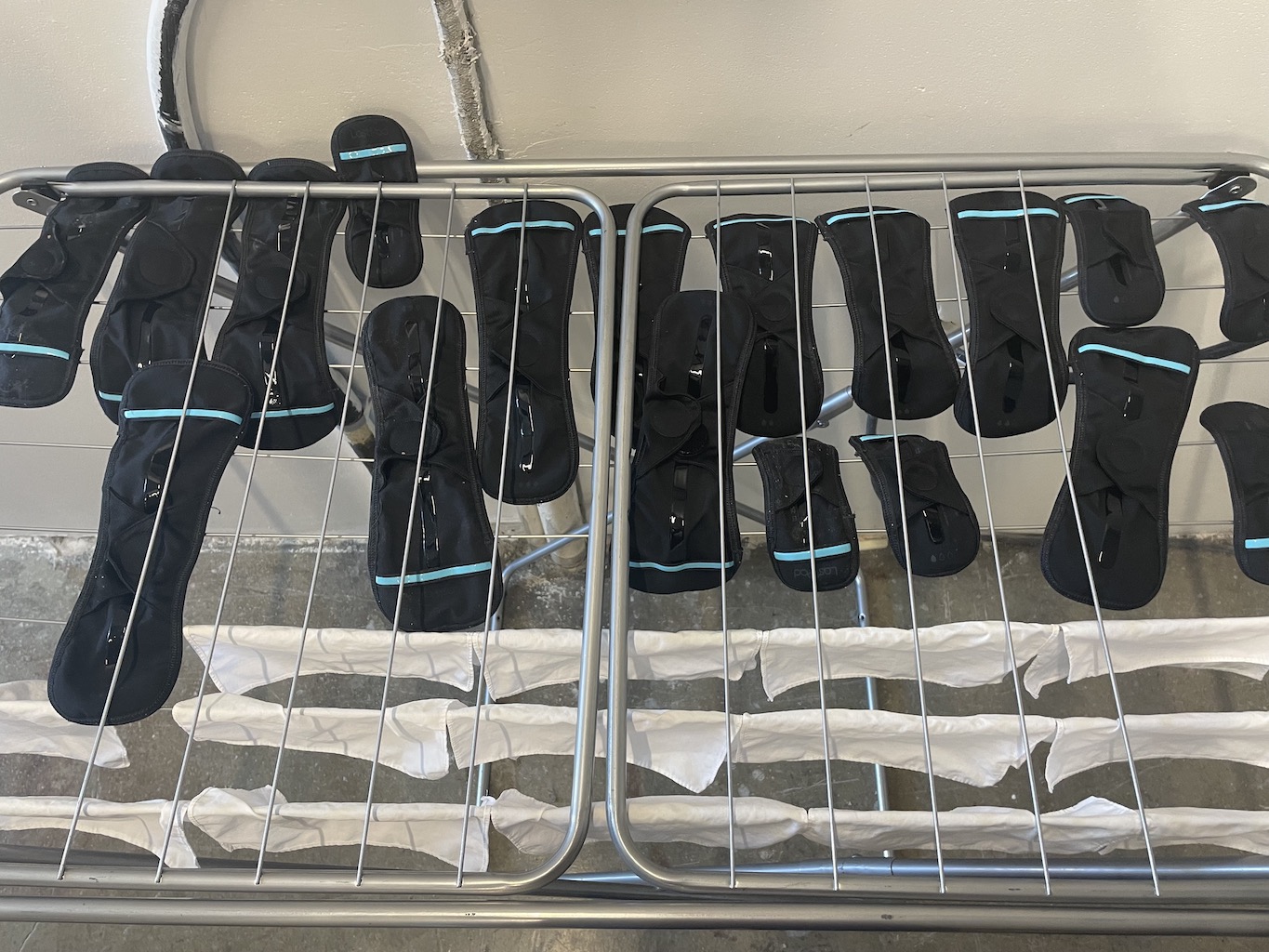
Social Justice and Sustainability: Denmark’s Take on Green Menstruation
When you first hear that Copenhagen, Denmark is known for sustainability, you may picture the green spaces, windmills or thousands of bicycles, but the nation’s eco-friendly alternatives are also taken to a more personal level: menstrual products. Of the 1.9 billion menstruators around the globe, The World Bank found that…
-
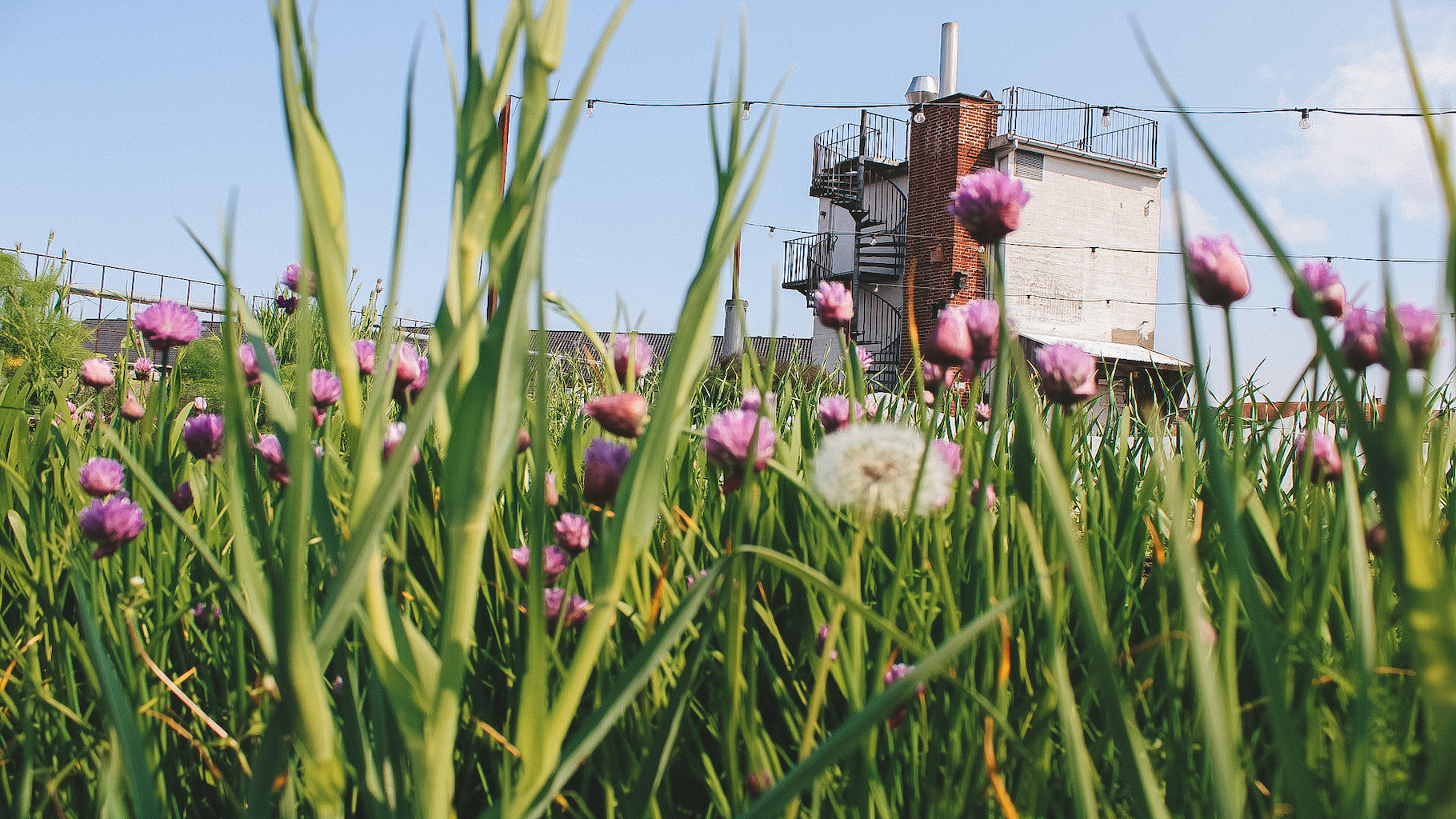
Urban Farming in Copenhagen Grows Relationships in the City
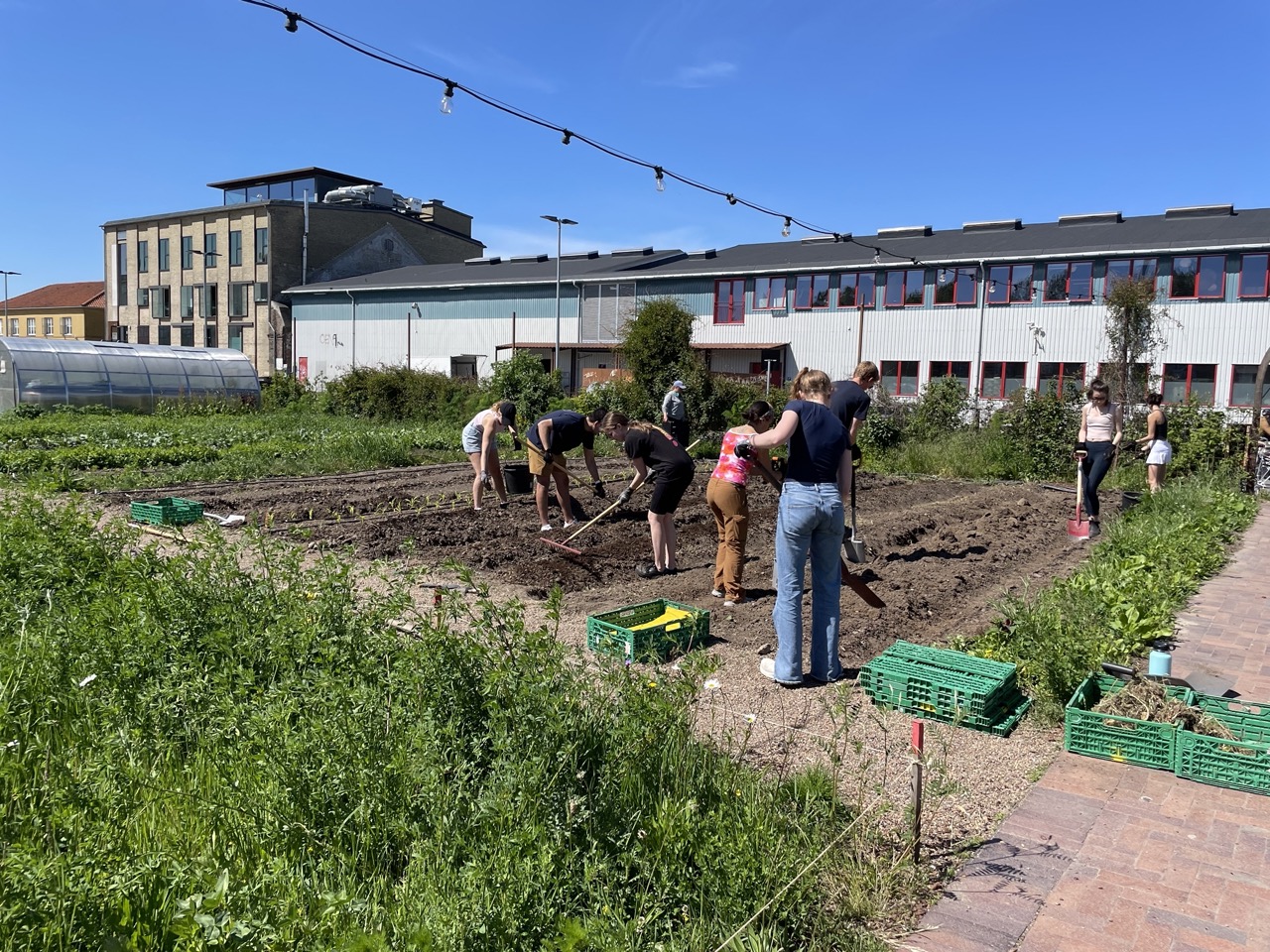
If it’s a sunny day, expect to find the greater population of Copenhagen outside, trading phones and laptops for conversations over coffee and soaking in the warm weather. On days like this, green spaces like local farms become oases for the Danes to escape from the bustle of life in…
-
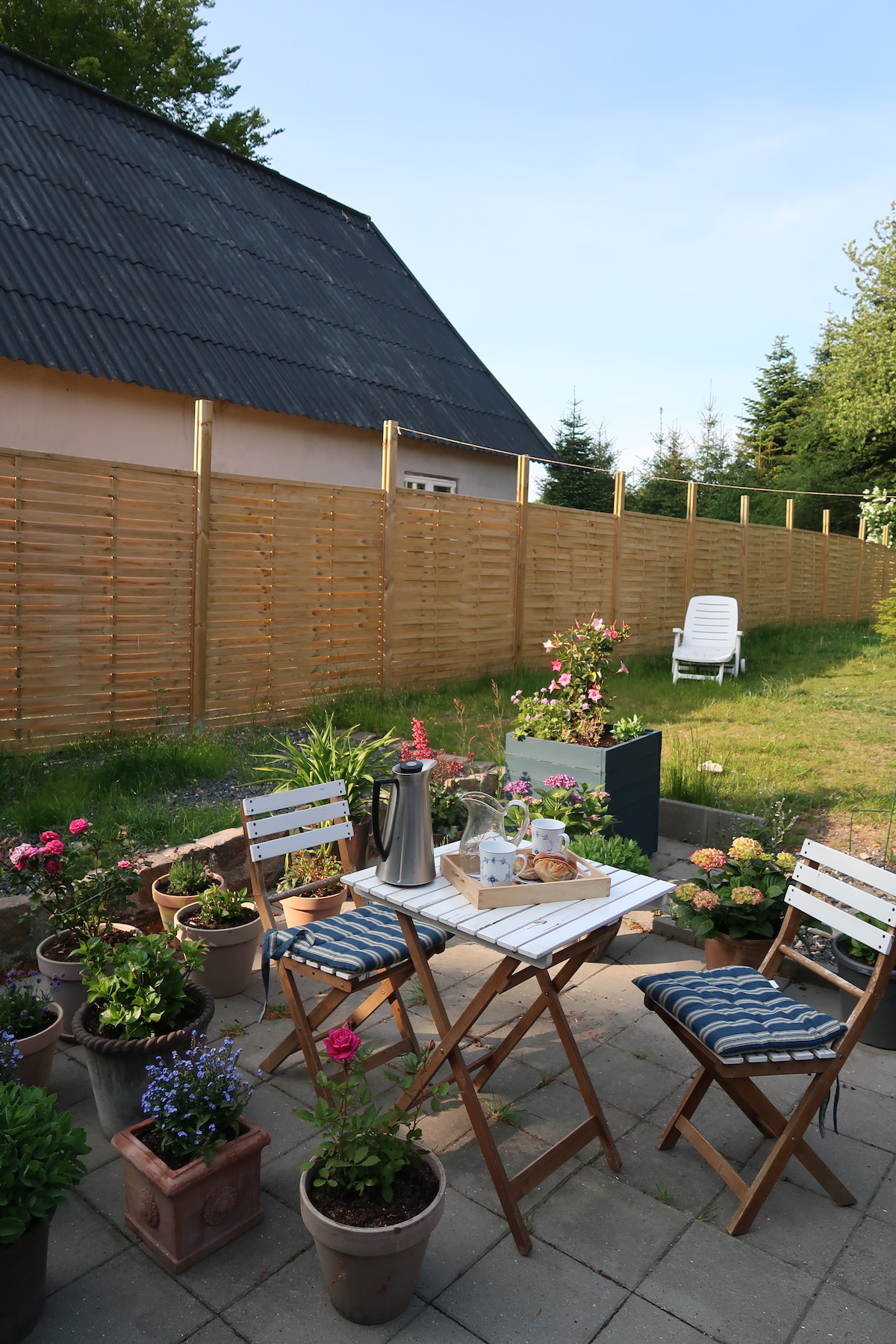
Happy Homes in Denmark: A Look into Scandinavian Design
Copenhagen-based interior designer Niels Rejnhold holds a chair dating back to the 1830s that belonged to his great great grandmother and points to its new velvet cushion. “I’ve made it my own, but I haven’t damaged the concept behind it,” Rejnhold says. Similarly, Trine Meincke positioned her grandmother’s chair in…
-
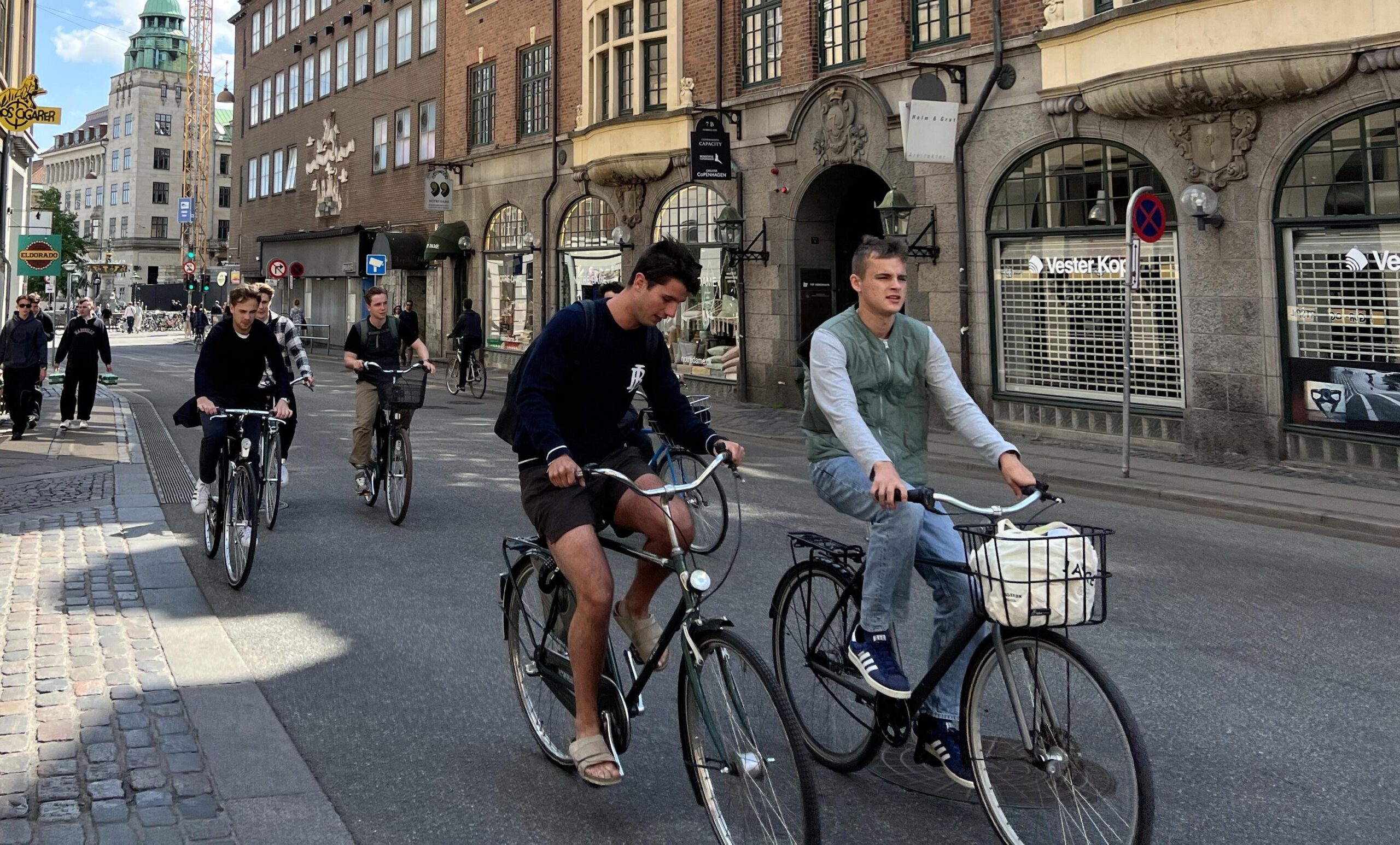
The Bicycle Benefit: How Cycling Keeps Copenhagen Happy
Approximately 62% of inhabitants in Copenhagen, Denmark, commute to work or school by bike, but only 11% of Americans do the same. Eveliina Peltokoski and Sarah Michel are two of Denmark’s cyclists in “the world’s most bicycle-friendly city,” according to Copenhagenize Index in 2019. “Our nation wasn’t built on the…
-
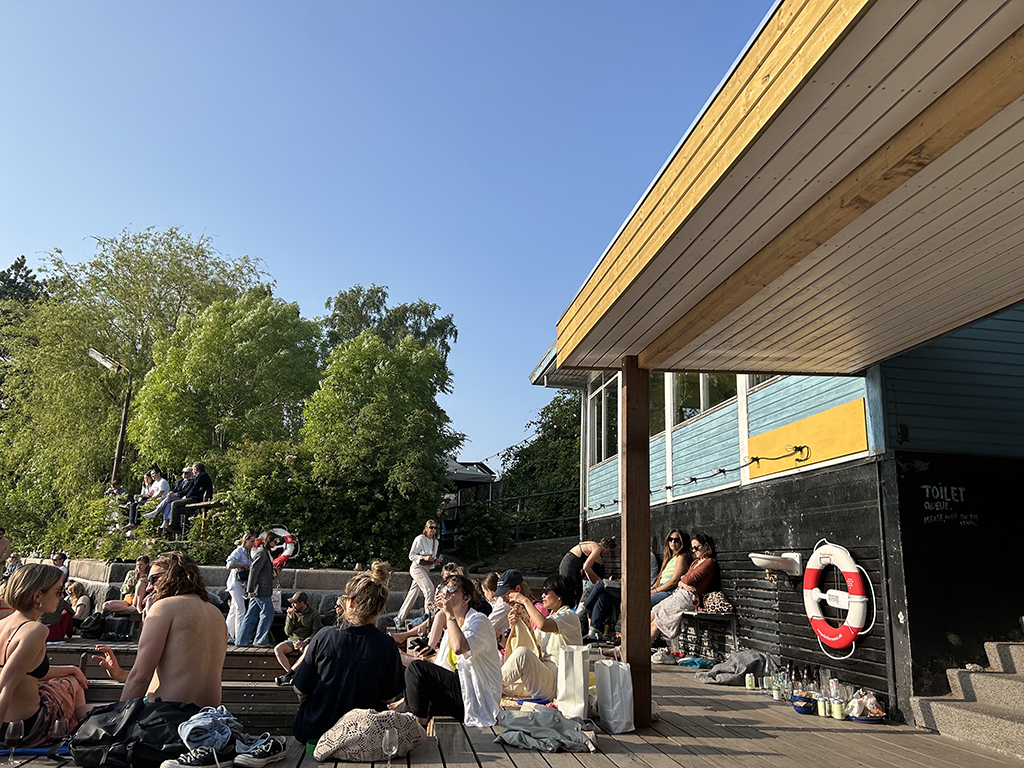
Hygge in the Harbor: Copenhagen’s Success Creating Sustainable, Livable Waterways
Copenhagen’s waterways are nothing short of bustling. I biked by in late spring, which in my native-Georgia opinion, is far too chilly to go swimming. Despite this, locals and tourists alike fill the harbor. They dive in and swim, dip their toes in, sit by and watch the water in…
-

Holger Danske: How Folklore Connects to Danish History and Culture
The sleeping viking under Kronborg Castle has been known throughout Danish history. Holger Danske is a story told in every Danish household and taught in every Danish upbringing. Today, the statue has become a popular site for tourists and natives alike. To some, exploring historical Denmark is a brand…
-
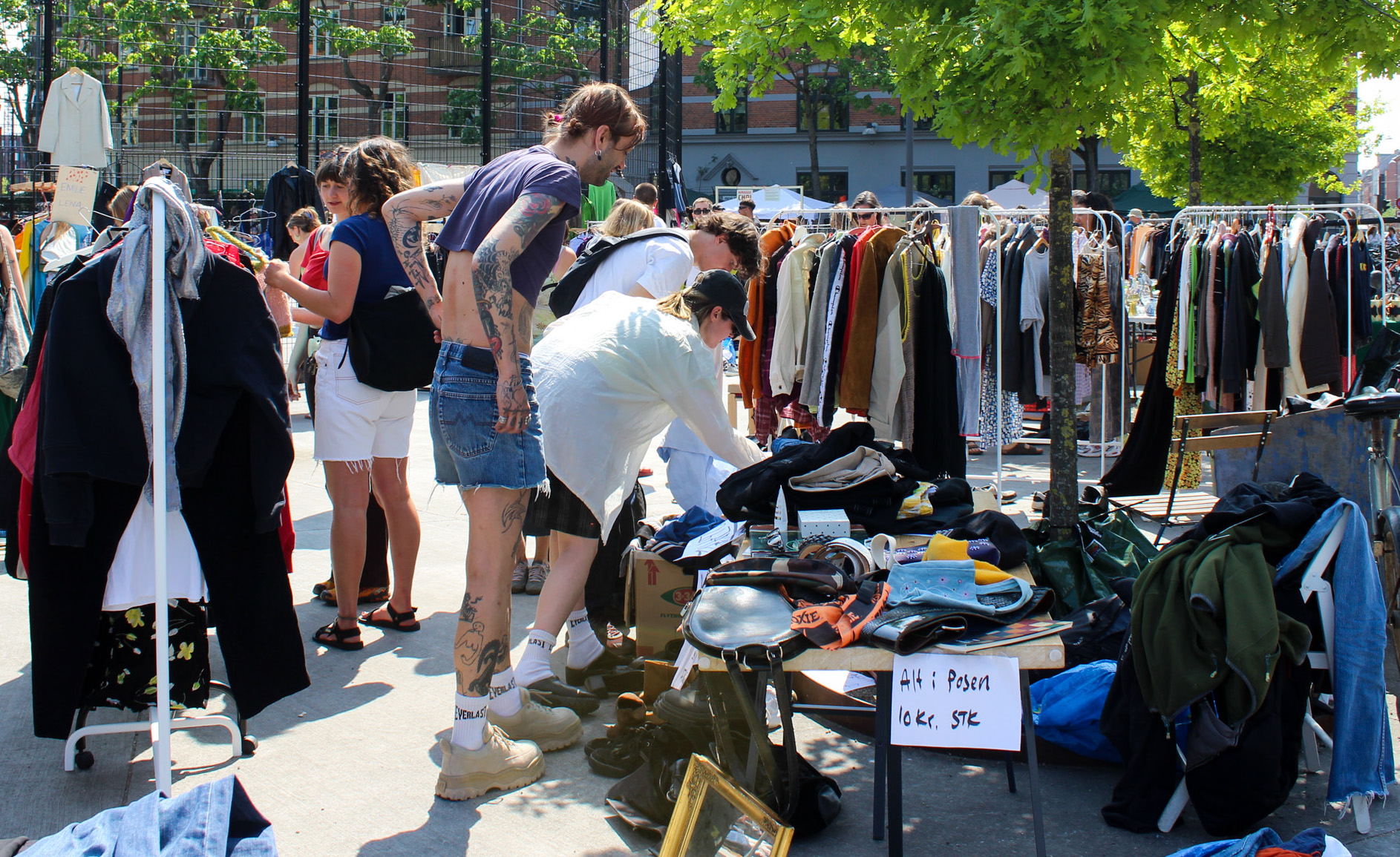
Where Sustainability Meets Community: Copenhagen’s Green Flea Market
On a warm Sunday afternoon, I wasn’t the only one drawn outside looking for something to do: I was joined by the people milling around Det Grønne Loppemarked, one of the many flea markets in Copenhagen, Denmark. Located in the trendy neighborhood of Nørrebro, Det Grønne Loppemarked, or The Green…
-
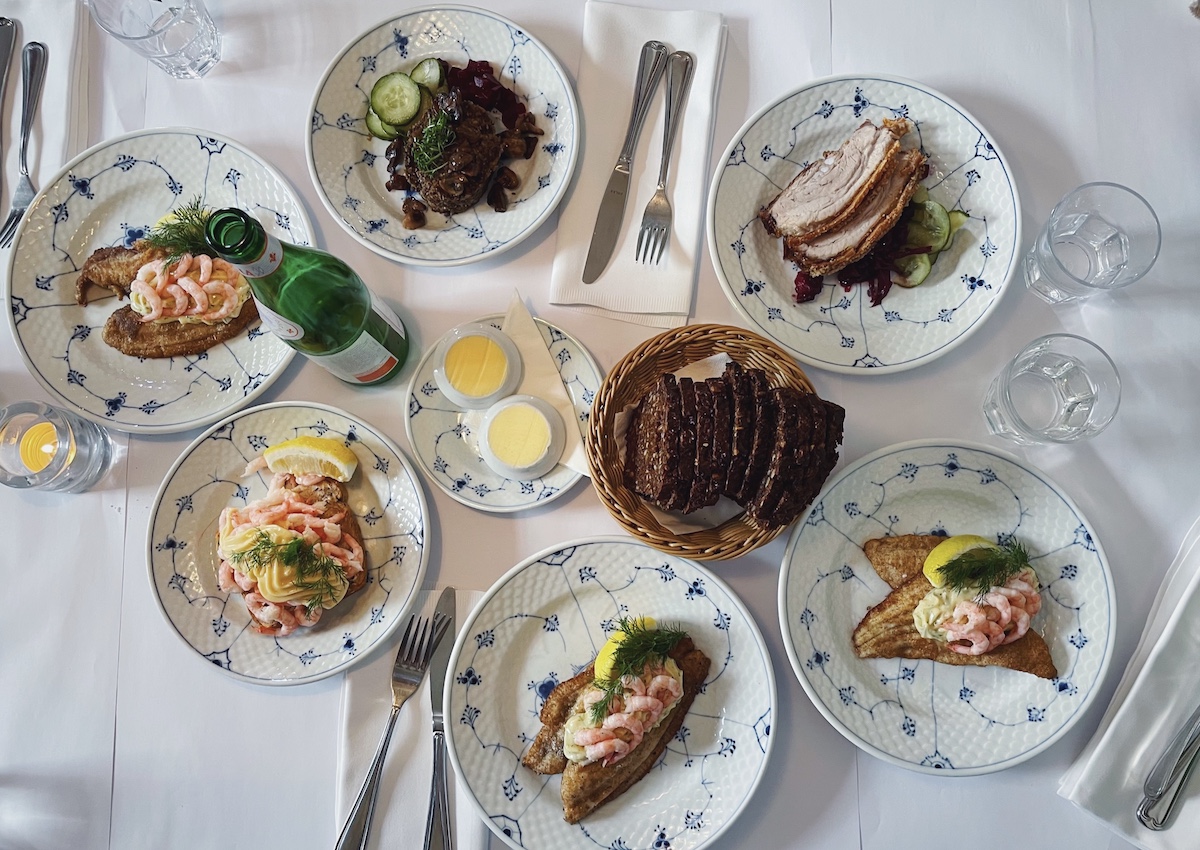
Restaurant Kronborg’s Take On Smørrebrød: A Danish Delicacy
Smørrebrød is a timeless Scandinavian delicacy, encapsulating the laid-back dining scene in Denmark. Smørrebrød roughly translates to “butter bread:” it’s an open-faced sandwich (typically on buttered rye bread) traditionally topped with any combination of herring, shrimp, salmon or pork, along with remoulade and greens. The History Danish smørrebrød originated in…
-
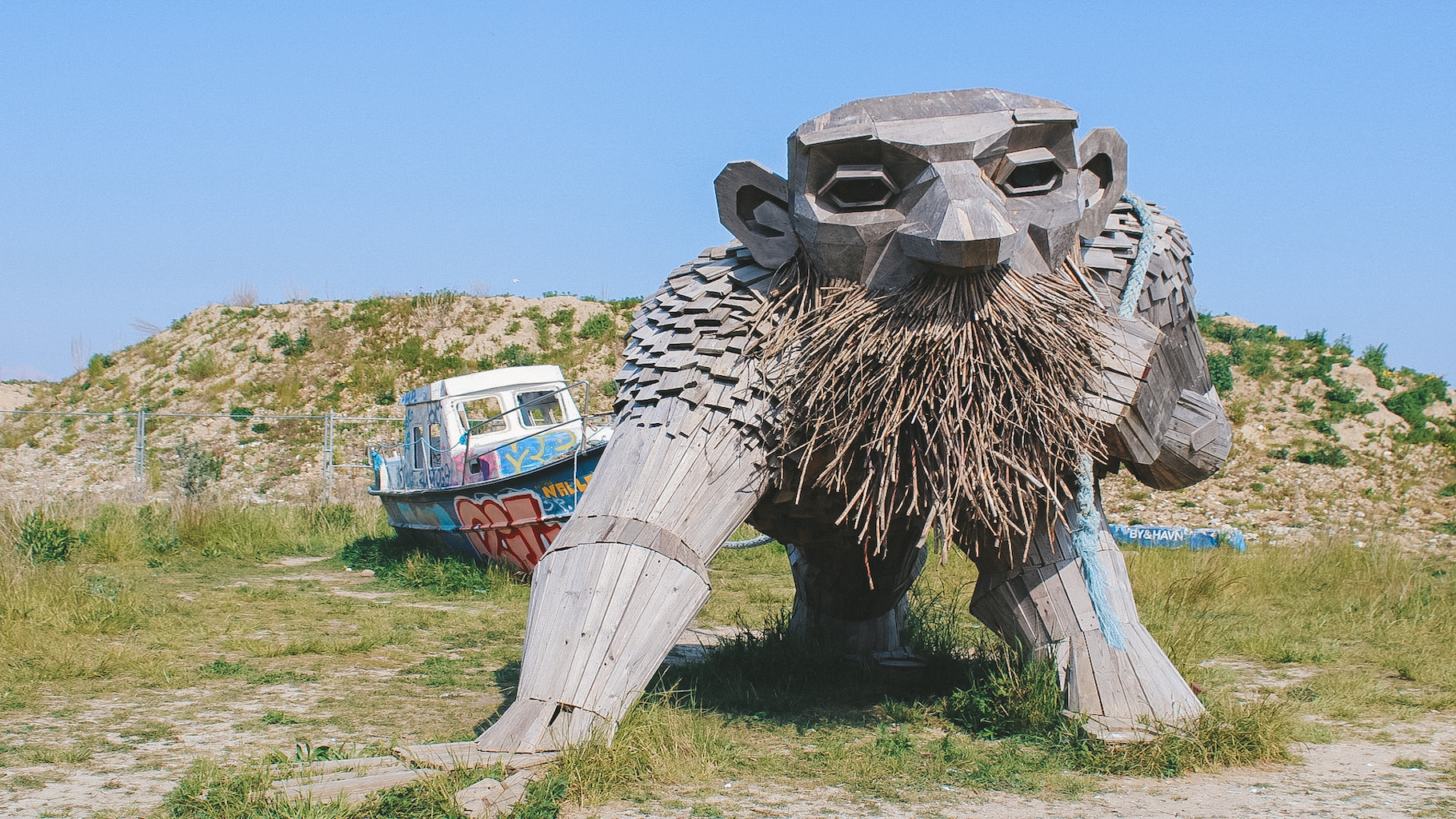
Discovering Hidden Giants in Copenhagen
Pieced together with recycled wooden panels and hidden in various locations, larger-than-life troll statues have created a scavenger hunt spanning the globe. Some are more accessible than others, tucked away in forests or placed right outside of cities, bringing tourists and locals alike into nature. The artist behind these trolls…
-
Danish Restaurants Take Sustainable Approach with Kitchens
Restaurants throughout Copenhagen have implemented sustainable strategies when curating their menu and kitchens. While operating in an urban city, these restaurants are growing their own food and buying locally to minimize their impact on the surrounding environment. “Restaurants are not sustainable, I prefer to say responsible because we do have…