

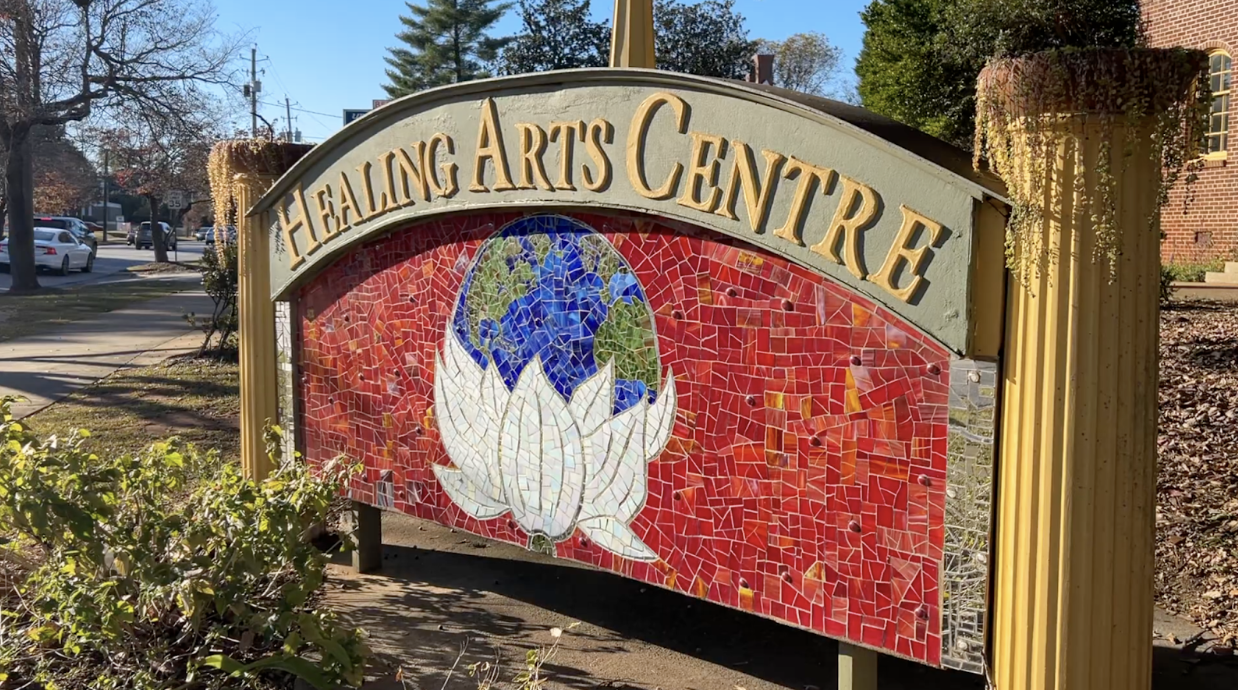
Step inside the Healing Arts Centre on Prince Avenue and the energy shifts.
The lights are soft instead of fluorescent, the air scented with herbs and incense. Upstairs, a yoga studio awaits its next guests with neatly rolled mats. Down the hall, therapy and massage rooms offer couches, plants and quiet.
That atmosphere is intentional. Since 2000, the Healing Arts Centre has worked to be a “one-stop shop for healing,” according to general manager Allison Taylor. For her, that doesn’t mean a bandaid solution or a trendy wellness hack. It means honoring self-care and all its facets, as finding balance is rarely about implementing just one magical fix.
“Healing is not just physical — it’s spiritual, it’s emotional, it’s all of those things as well,” Taylor said. “Someone could be going through a breakup. Someone could have quit their job or wanted to change their career and they’re having a life transition issue.”
Taylor first learned about holistic health out of necessity. When her young son was diagnosed with autism and struggling in school, the answers she sought weren’t coming from traditional pediatric sources. In response, she dove into nutrition, herbalism and holistic approaches, experimenting with strategies for both her son and herself.
Since then, he has gone from non-verbal to speaking, flourishing in first grade. That transformation changed Taylor’s family, but also shifted her career. Now, she shares what she’s learned with clients looking for the same clarity.
“Everyone is different and what they require on their healing journey is going to differ as well,” Taylor said.
What Self-Care Really Means
The Centre’s layered approach reflects a broader shift in how people are thinking about self-care. Pew Research shows nearly a fifth of Americans have tried alternative treatments instead of traditional medicine, and almost half have combined the two — a sign of how many people are searching for more comprehensive support.
Mental health counselor Marlee Craig witnesses this every week in her work at the Centre, especially among students trying to balance work, relationships, jobs and a constant connection to their screens.
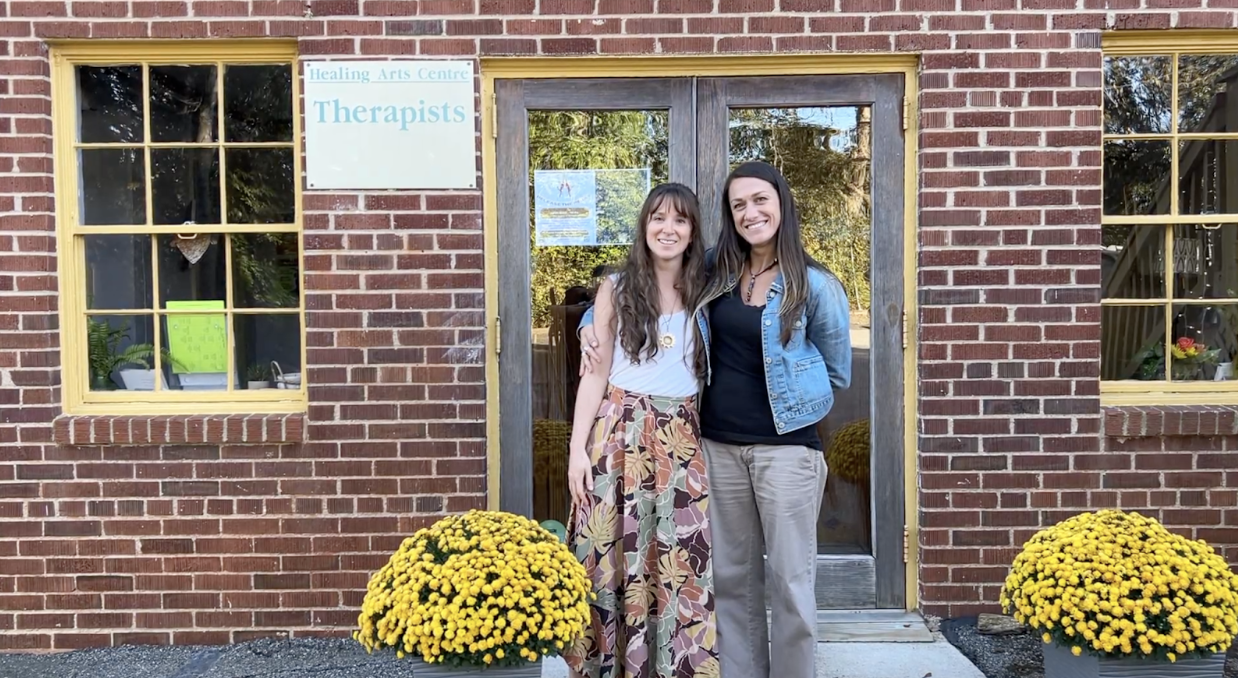
“What I notice from so many of them is oftentimes they’re out of balance, their lives are out of balance … especially during exam season,” Craig said.
She emphasized that self-care isn’t just an occasional face mask or a once-a-year resolution. It’s regular maintenance and boundaries that keep each person grounded enough to withstand tougher days.
“We need to have practices, behaviors, routines that recharge our batteries on a regular basis so that when times get tough, stress builds, you have these reserves to pull from essentially,” Craig said.
At the Centre, those practices might look like a yoga class, an acupuncture session or a counseling appointment to untangle the brain’s anxiety and stressors. These practices are intended to extend beyond the Centre’s walls as well, like learning a simple herbal recipe to cook at home, experimenting with breath work or committing to putting the phone in another room at bedtime.
Mental health is health essentially…recognizing what you need and not being afraid to reach toward what you need and empowering yourself to find that path,” Craig said.
Within a modern culture that can praise burnout or the constant grind, the Healing Arts Centre offers a counter-narrative: reaching out is not a weakness, but absolutely critical to finding balance.
“Reaching out is really important,” Taylor said. “Asking for help takes a lot of courage and knowing our own limitations and our boundaries and when we’re not doing so great, how we can show up for ourself is really important.”
Inside the Centre’s walls, self-care is less about escaping and more about returning to one’s body, breath and the understanding that true healing can unfold one intentional step and act of care at a time.
Alexis Derickson is a journalism graduate student in the Grady College of Journalism and Mass Communication at the University of Georgia.





Show Comments (0)