

Secretary of State Brad Raffensperger introduced Georgia Registered Voters Information System, or GARViS, in March 2023. This system provided a database for elections officials showcasing voter information, including status, reasons for vote denial and voting method.
“GARViS is a tremendous step forward in the security and accuracy of Georgia’s voter registration system,” Raffensperger said in a press release. “This voter registration system truly reinforces Georgia’s status as the No. 1 state in America for election administration.”
The GARViS system manages automatic voter registration, online voter registration and reporting votes. However, the database’s capabilities to transfer over motor-voter registration may become obsolete as Republican lawmakers push for its end.
The elimination of the GARViS system would limit access to voter information and place a strain on election workers ahead of 2026 midterm elections.
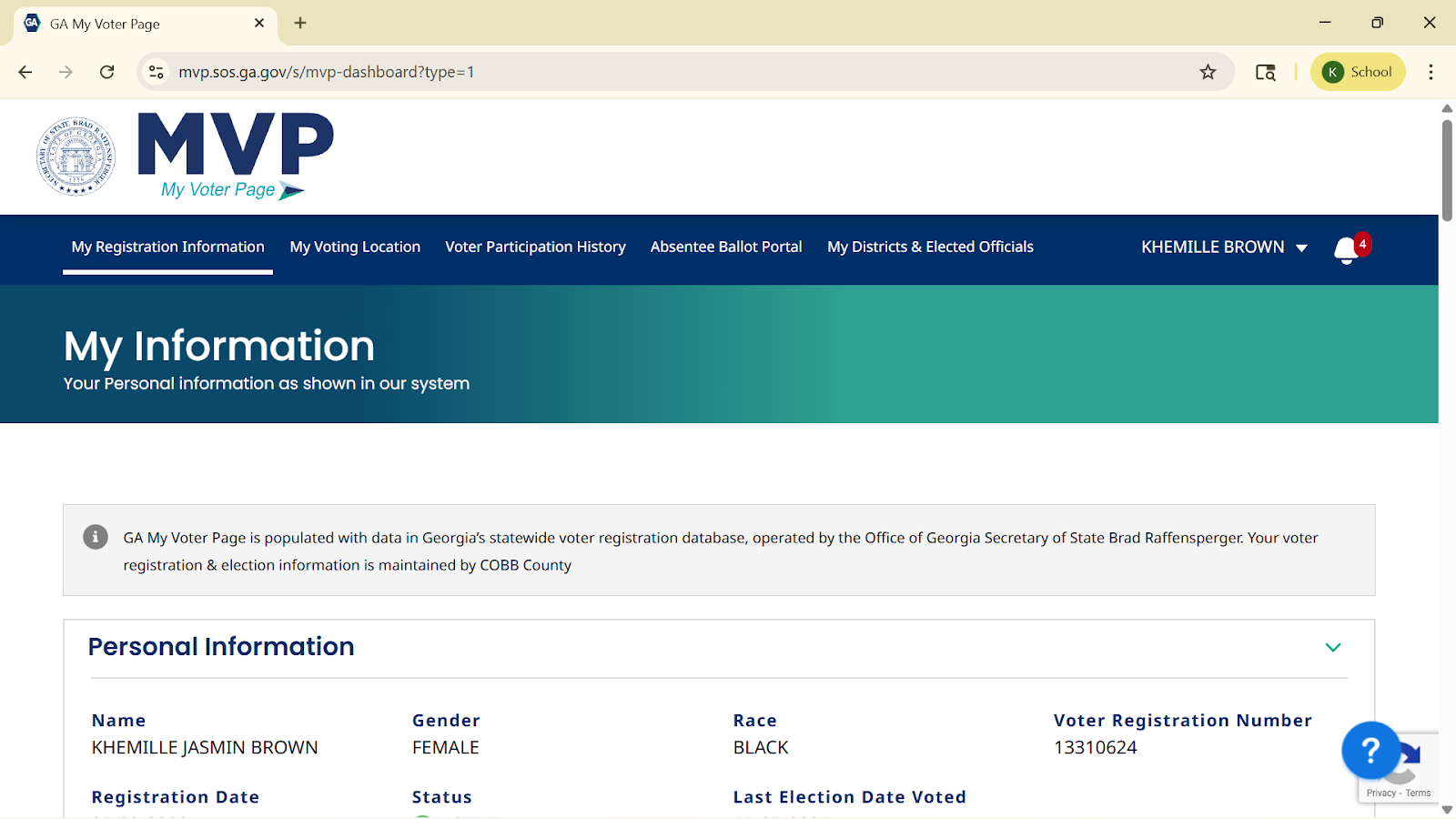
The system also introduced an interface that allows voters access to information on their voter status and elections in their area. The My Voter Page ensures registered voters in Georgia are informed about elections and their voting histories.
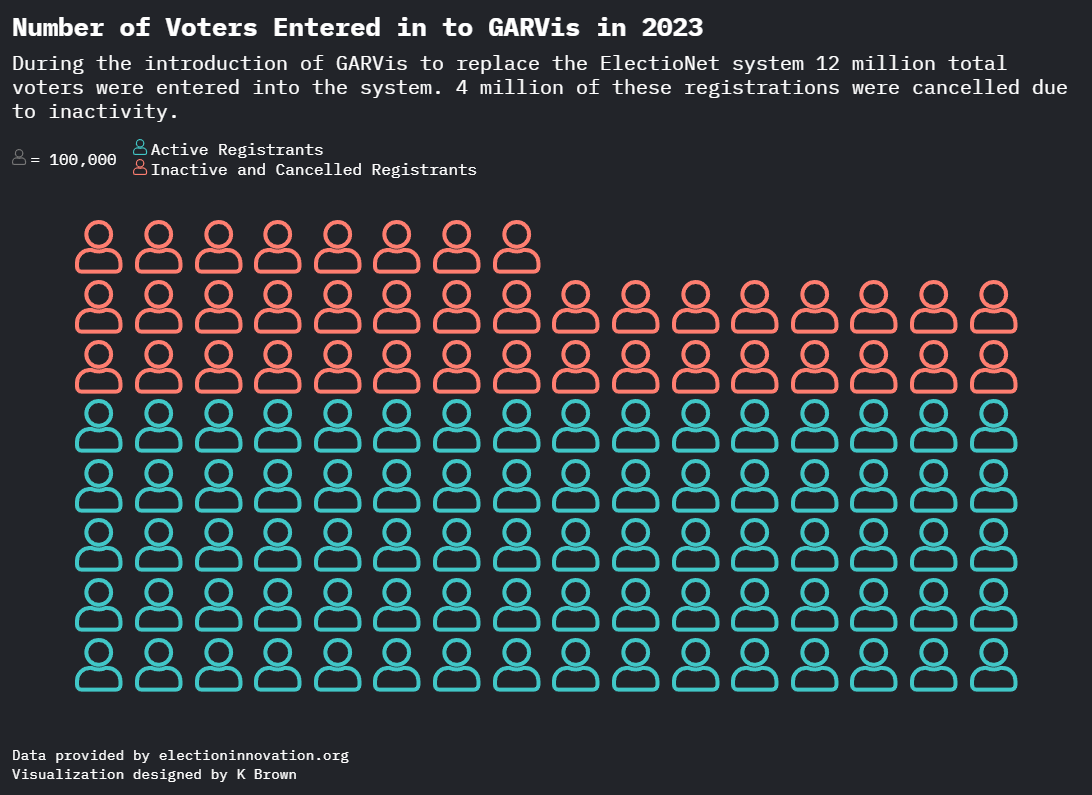
The GARViS system covers all 159 counties in the state of Georgia and transferred 12 million voter records from the previous system.
This system allows for access to voter-specific information and key information about upcoming elections. GARViS also gives elections staff a central information system for elections. Without this system, the strain on elections officials and voters could increase.
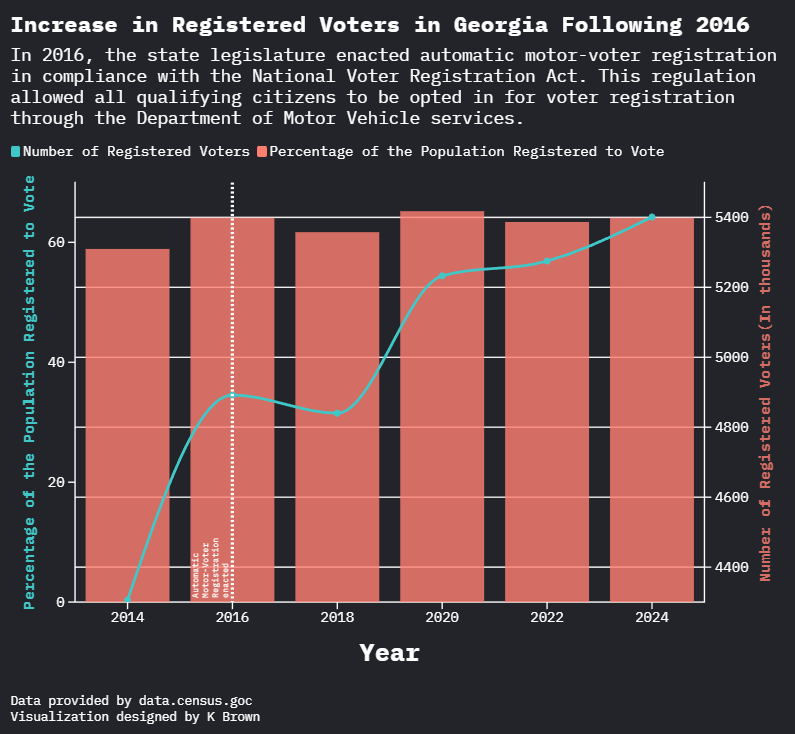
According to Charles Bullock, author and political science professor at the University of Georgia who specializes in Southern politics, automatic motor-voter registration eases part of the burden on new residents of the state and new drivers of voting age. Once they receive their new driver’s license, they are then able to vote in local and state elections with no additional steps.
“It’s just the fact that you don’t have to do any additional steps. You’re going to get a new drivers license very soon after you move into the state,” Bullock said. “I mean, you move to a new address within the state, you’re going to be registered in that jurisdiction.”
Athens-Clarke County Elections Assistant Audra Taylor addressed concerns about voter fraud under the GARViS system. According to Taylor, the system allows elections officials to see elections information from voter registration to absentee voting online. Some voters remain uncomfortable with the amount of personal information accessible through the system despite reassurances of security.
Some voters, like members of the United Tea Party of Georgia, believe their information is susceptible to data breaches and bad actors. Other voters are worried the system will allow fraudulent votes to be cast or allow those who do not have the right to be able to vote, such as those with felony convictions and non-citizens.
“Once [a vote] has already been accepted, you know, and there’s no way that you can add another,” Taylor said.
According to the Secretary of State’s office, all data that goes through the GARViS system is encrypted, both in storage and in use. Despite an emphasis on the security of the system by state officials, two years later some voters and officials still have concerns.
During the 2025 legislative sessions, Georgia Republicans pushed for the adoption of new voting regulations. These regulations included ending automatic motor-voter registration, ending early in-person voting, ending no-excuse absentee voting and holding closed primary elections.
“These debates are over things which are maybe largely inconsequential, but the parties do this because it’s a successful way to mobilize their voters,” Bullock said.
For voters in Georgia, the 2026 primary elections may come with a sweeping list of changes if Republican officials present and pass this legislation in the 2026 legislative session.

Khemille Brown is a senior majoring in journalism at the University of Georgia.





Show Comments (0)