How Invisible Scars Turn Pain into Purpose
Mental Health Stories About Overcoming Obstacles

Editor’s Note: This series of stories explores how individuals have turned challenging experiences and obstacles into opportunities — particularly around mental health.
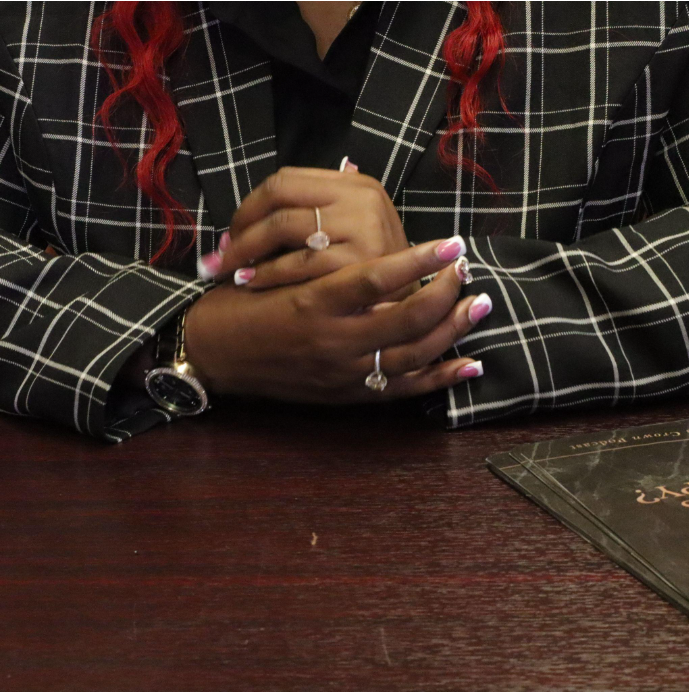
July 23, 2017. Freedom Day. That’s when a nightmare ended for Genesis, only six days shy of her 18th birthday. That’s when the FBI finally rescued her.
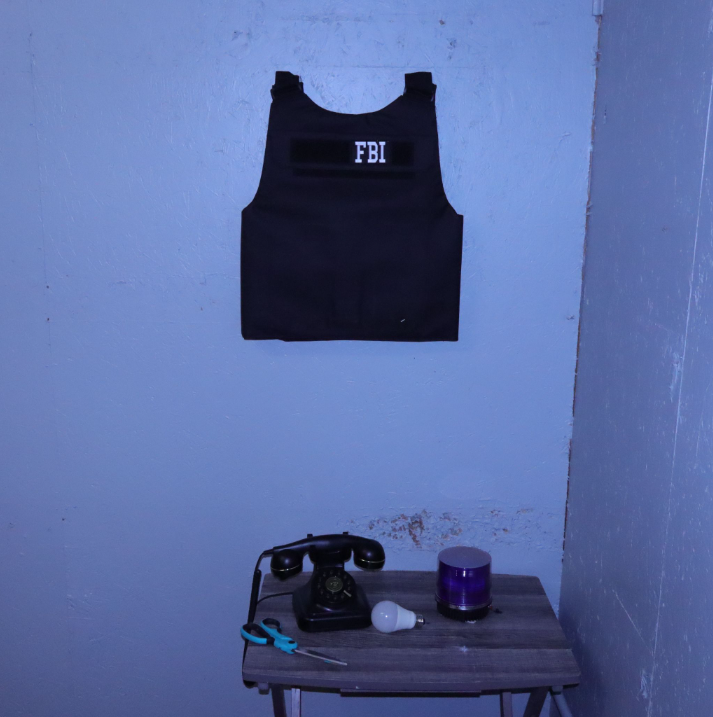
The trafficking lasted for 23 days but it changed her life. She describes it as a deep trauma — one that still lingers when she remembers how it felt to live through those days.
“That experience taught me silence. It made me very timid,” Genesis said. “I was scared, and I just shut down.”

Genesis lived with her mom and siblings. Her dad moved out of state and her brothers moved out of the house after they graduated. During her senior year, the family dynamics changed. She felt like her protectors were removed from her life.
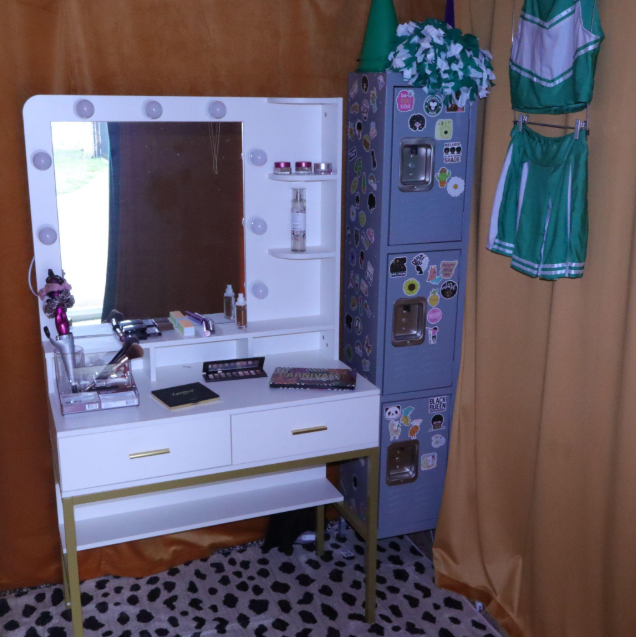
“My mom was a single mother, she probably had about five kids in the house at this point, so she worked a lot and she wasn’t around the time of my senior high school,” Genesis said. “I didn’t have a lot of guidance at that time, or people looking over me at that time, so I just kind of fell into the streets.”

The experience left deep psychological scars. Her perception of safety is more than just the physicality of it. Her experience influences how she approaches relationships and vulnerability. As she gets older, it’s made her hypersensitive to avoid being hurt — especially with men. This has affected relationships in her personal life, both platonic and romantic.
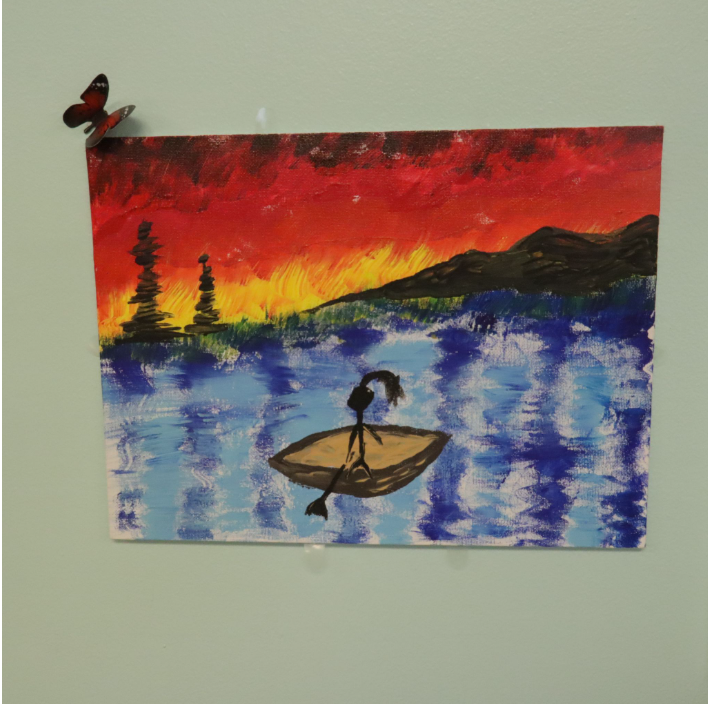
“I will run before I let somebody hurt my feelings because I’ve been hurt so bad in that way,” Genesis said.
The first step — and the hardest — in Genesis’s healing journey was to stop calling herself a victim. Her mother played a pivotal role in her recovery.
“I am a sex trafficking survivor,” Genesis said. “This is what I want people to know about me. I am the girl who was sex trafficked.”
Why It’s Newsworthy: A sex trafficking survivor speaks about how this situation has affected her and different areas of her life. She now uses her experience to educate and help other women and young girls in need at the DIVAS Who Win Freedom Center.Genesis turned her pain into purpose. She created a podcast named “Survivor’s Crown” and records her sessions on the weekend. She shared what influences the name of her podcast.
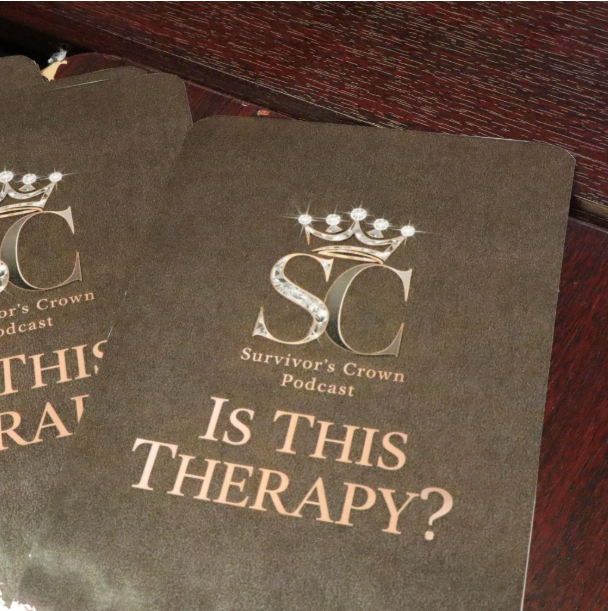
“A crown is like the best part of you,” Genesis said.
She now serves as a youth coordinator, mentoring 16 Black girls ages 10 to 18. Teaching them about safety and awareness has become a learning experience for her, too. She hopes to partner with law enforcement, hotels and schools in the future to host training and workshops to educate them on sex trafficking. She has dreams of expanding sex trafficking education globally.
Genesis biggest accolade was helping pass a bill in Georgia that helps survivors to receive financial compensation. The recognition of the bill stands as a symbol of her strength and advocacy.
“Justice is my story,” Genesis said.
Lawrenceville Legacy Leaders Support Mental Health, Wellness
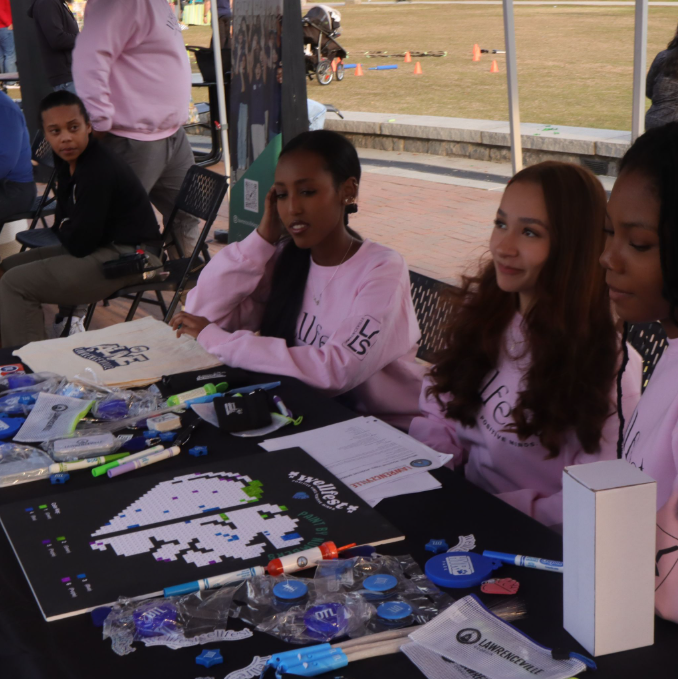
A free community event with live music and food is the perfect place for the Lawrenceville community to gather and share joyful moments. But for Natalie Huynh, an 11th-grader, Wellfest is more than just a good time on March 20 — it’s an event dedicated to mental health and wellness for the community.
Natalie is a part of the Lawrenceville Legacy Leaders, a youth program designed to develop and promote student success.
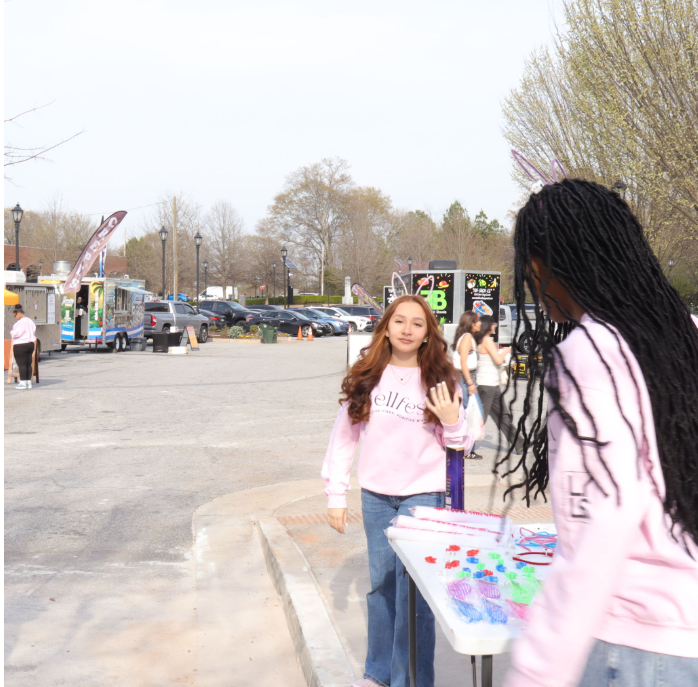
“We have a lot of stations where people can journal, write, draw,” Natalie said. “We also have games like volleyball so we’re not gonna be over here just giving information but we’re also gonna be interacting with our community.”
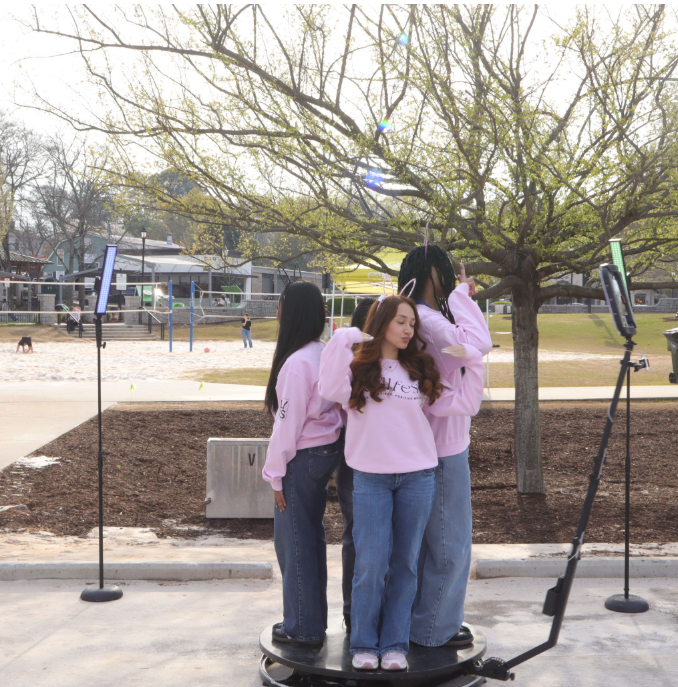
Surrounded by a diverse crowd at Wellfest, Natalie sees a clear divide between the older and younger generations on mental health. She said her generation is more open compared to her parents’ generation of traditional views.
Janelle Lucas, a local parent, argues that the youth and older adults have more in common than they think.
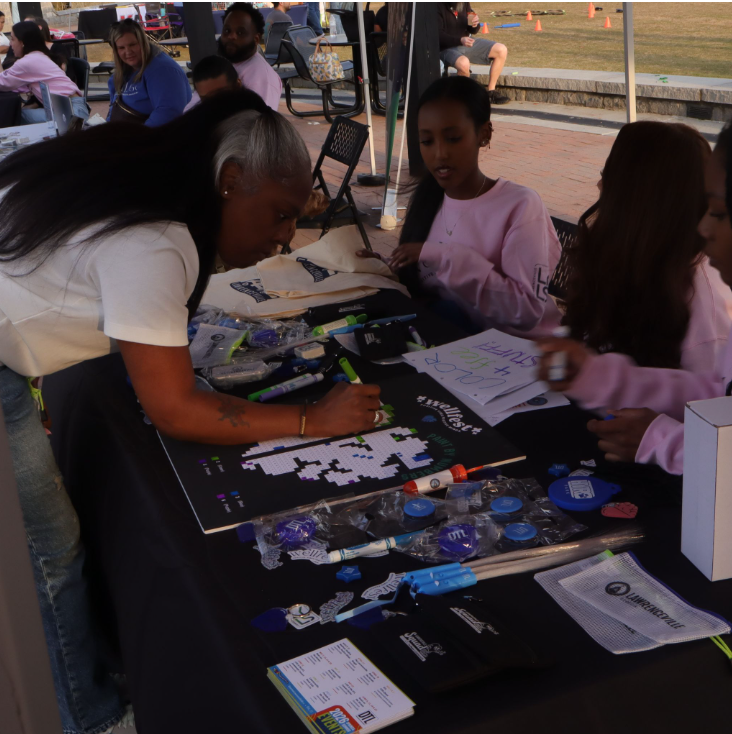
“A lot of times kids feel like because you are not their age that you don’t really understand,” Lucas said. “I do know a little bit and I can help you navigate through life.”
Despite their differences, one commonality unites every generation in the community when they seek hope in dark times — sunny days, warm weather and good vibes are the start to an impactful event.
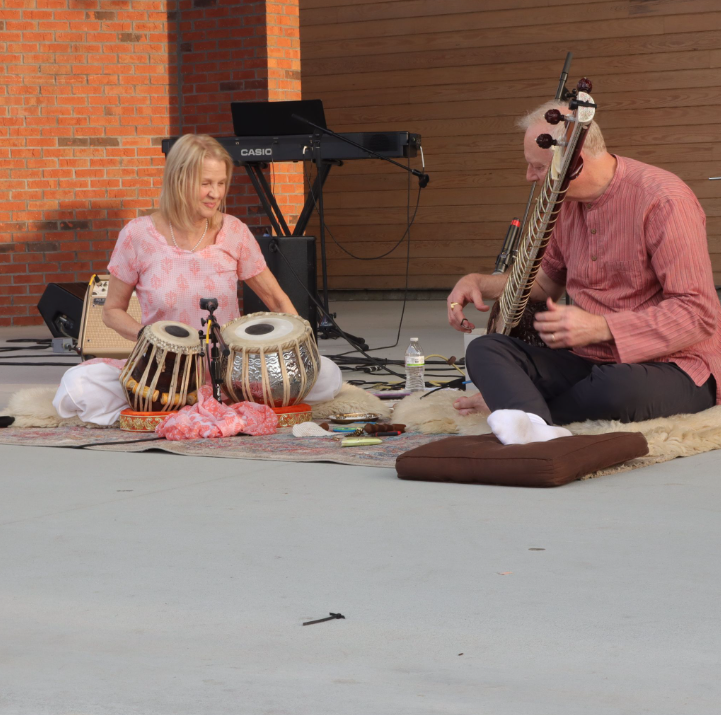
“Seeing everybody in good spirits, seeing the shirts that say positive mindsets, positive energy I like that,” Lucas said. “With so much going on in the world we need kind, inviting, warm spaces to be in.”
Since 2022, this program has been planting seeds in Lawrenceville, but members like Natalie are blazing a legacy trail that stretches far beyond the city limits. For Natalie, the goal is to cultivate a legacy that remains vibrant and recognizable long after she has moved on to her next chapter in life.
“They’re building leaders within us so once we move out of this program we’re not just leaving our leadership there, we’re bringing it wherever we go,” Natalie said.
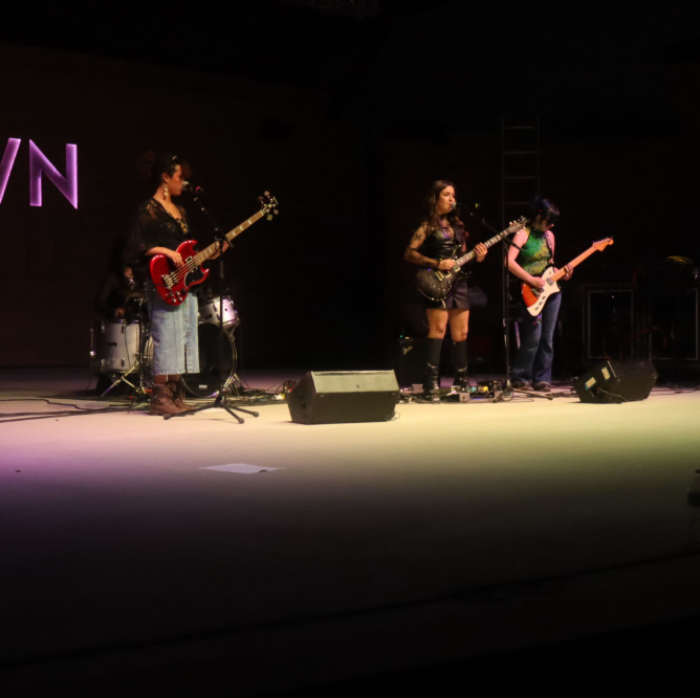
Beyond the festivities, the event serves as an important reminder: mental health struggles do not have to be fought alone.
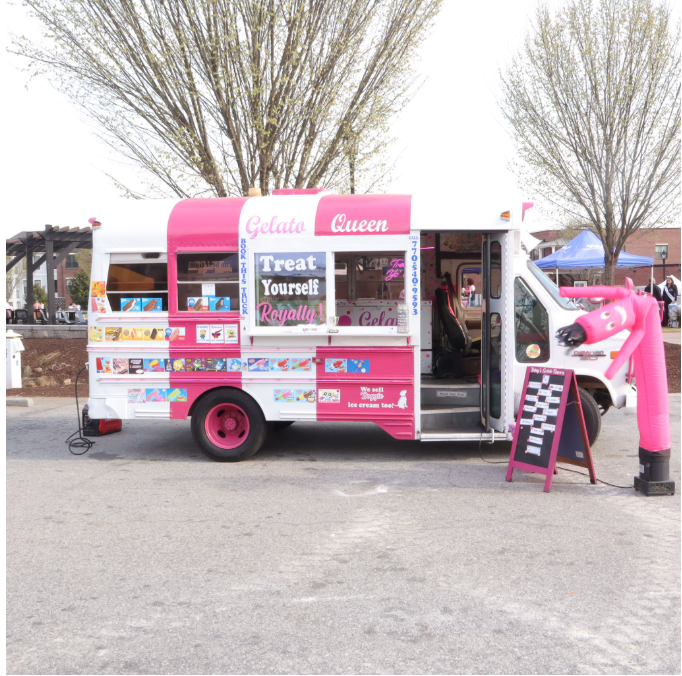
“It gets better,” Lucas said. “Nothing can stay bad for too long. Everything gets better whether it’s with time, work, or space.”
As the sun set on Lawrenceville, the laughter and shared stories served as a living example of the festival’s message. To Natalie, joy isn’t just a byproduct of the event — it is the foundation of well-being.
“Happiness is mental health,” Natalie said.
Musician’s Guide to Peace and Joy
The rich sounds of an alto saxophone float through the air as Sakeem Freeman’s breath runs through the reed to create art. As pedestrians stroll along College Avenue in Athens, they can find Freeman at the street’s intersection, his fingers running across the woodwind to fill downtown Athens with music.
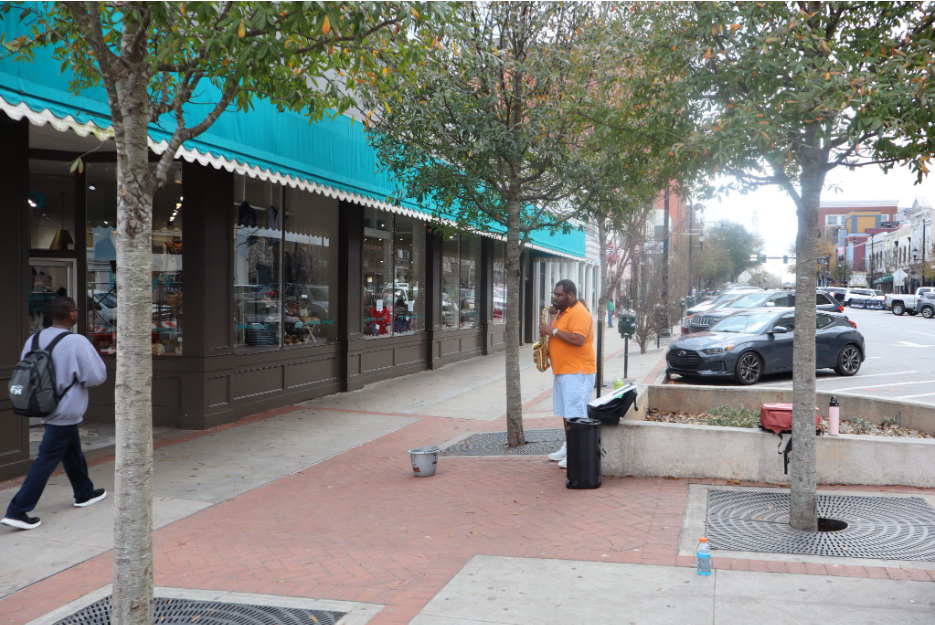
Although Freeman is originally from Fayetteville, North Carolina, he has become familiar with the area through his attendance at Cedar Shoals High School and Clarke Central High School. He studies music therapy at the University of Georgia, where he attends intermittently.
Outside of guiding youth at the Department of Juvenile Justice, music is Freeman’s joy in life. While he sings and raps, the alto saxophone is his secondary voice. He has been playing for the past 20 years. Freeman said he feels “nostalgic” when playing the instrument.
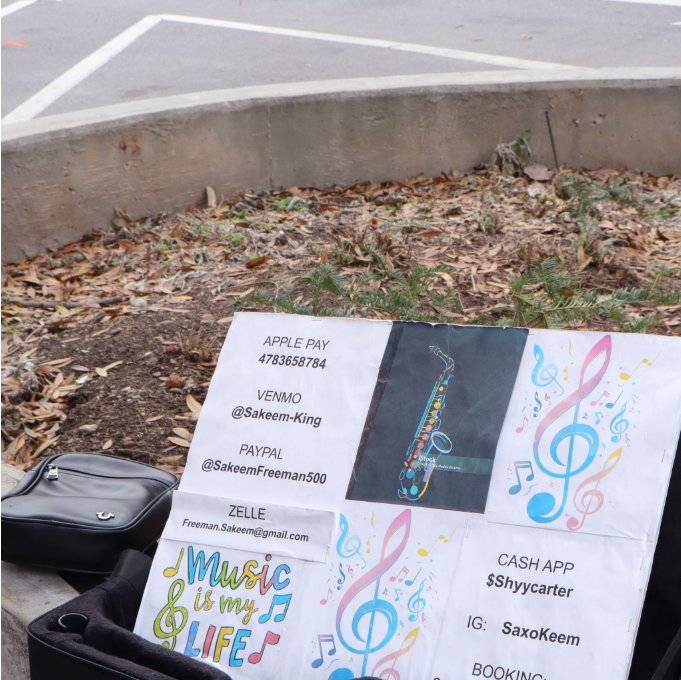
“The ability to connect with people without words … it’s like … joy,” Freeman said.
His tunes also have taken him outside of Athens by giving him the opportunity to play at Fox 5 News in Atlanta. Freeman said it was interesting being recorded on the air and mind-blowing to perform there.
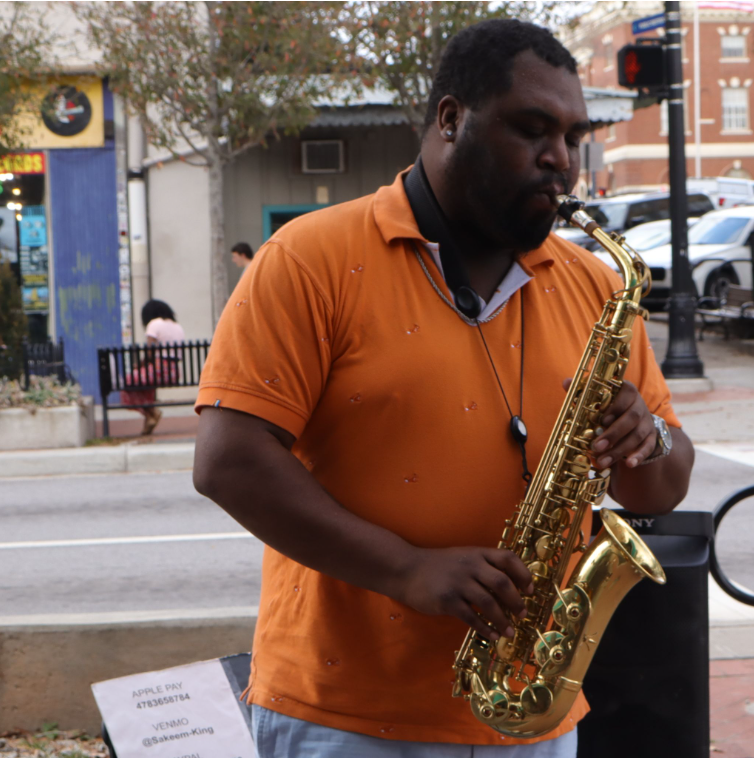
The difference in Freeman’s performance environments informs the way he approaches how he plays. The biggest difference for him is his intentionality. While people may notice errors in public settings, he said his expression feels “different” when performing on the streets of Athens.
“Out here, I’m free to express myself with emotions, and in there it’s more business,” Freeman said.
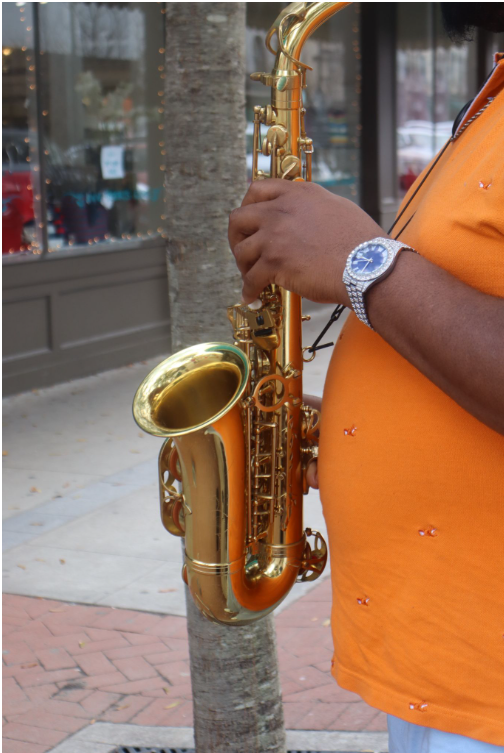
There is one aspect of his artistry that he wants people to know about him.
“I love being out here because I bring peace,” Freeman said. “I feel like people might be having a bad day and hear me and then come to me like ‘I was having an awful day, but I heard you play and it just changed my whole mood.’”
Zaire Rushing-Simpson is a junior majoring in journalism at the University of Georgia. Laila Carter is a graduate student in journalism who contributed to the last section of reporting.