If Athens’ Landfill Turns Methane Gas Into Energy, Why Compost?
These Two Sustainable Practices Are Not Mutually Exclusive
Beneath mounds of waste at the Athens-Clarke County Landfill, dozens of wells drilled into the ground collect energy from the methane gas created by decomposing organic waste.
The gas is filtered through pipes to a small plant on landfill property where it is converted into usable energy. Plant operator Corey Riley oversees the system on a daily basis, which he simply describes as “turning trash gas into electricity for everybody else.”
Composting, however, when done correctly, mitigates the amount of methane produced by organic waste and is recommended as a way to reuse food scraps.
Therefore one question is raised for those trying to reduce their environmental impact: If methane from food thrown into the landfill can be captured and turned into energy, why compost their own food waste instead?
The answer, according to researchers and those working at the landfill, is that the two sustainable practices are not mutually exclusive.
Composting can prevent methane from being produced while keeping waste out of the landfill. At the same time, methane capture provides a use for gas that is still generated by the millions of tons of waste already buried there.
Methane begins forming when microorganisms break down organic waste, explained Noel Welchel, who has researched landfill gas across the state of Georgia through the National Environmental Justice Institute.
Landfills can continue to produce methane as buried organic waste decomposes. Once released into the atmosphere, methane typically remains there for nine to 12 years. However, during that relatively short period, it traps heat far more effectively than carbon dioxide, creating a greenhouse gas effect.
According to Welchel, diverting organic waste to composting does more than reduce methane emissions.
It has a number of benefits,” Welchel said.
“One of which, of course, it will not produce as much methane or greenhouse gas. It will also increase the lifespan of the landfill because you’re not putting as much waste in.”
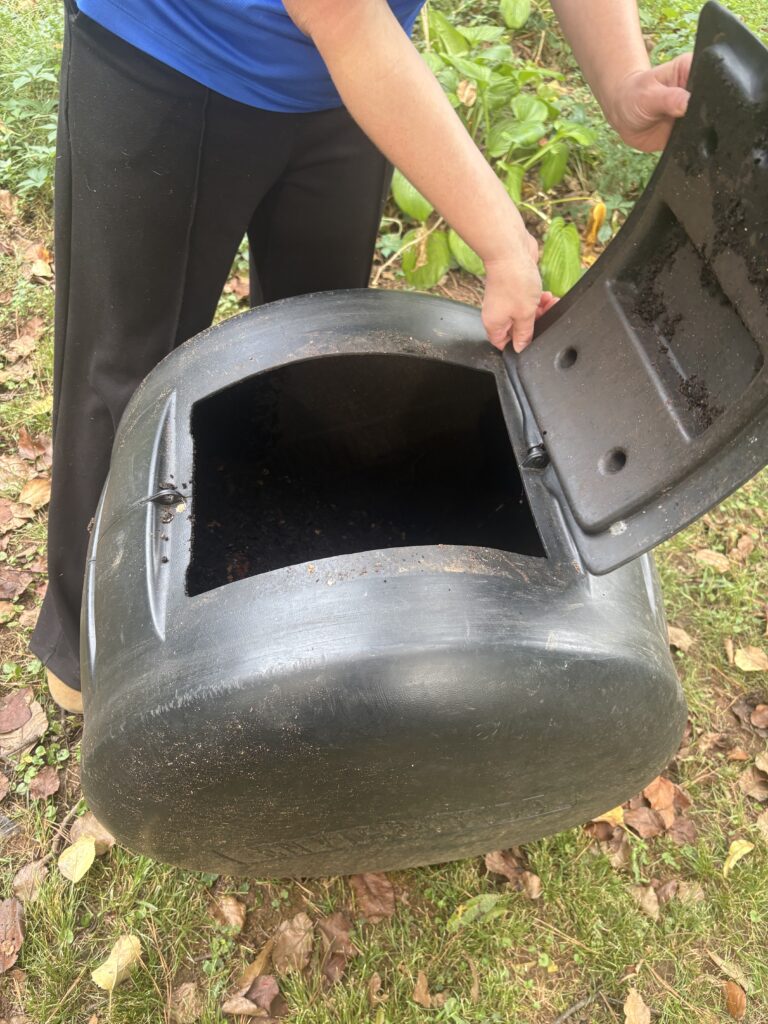
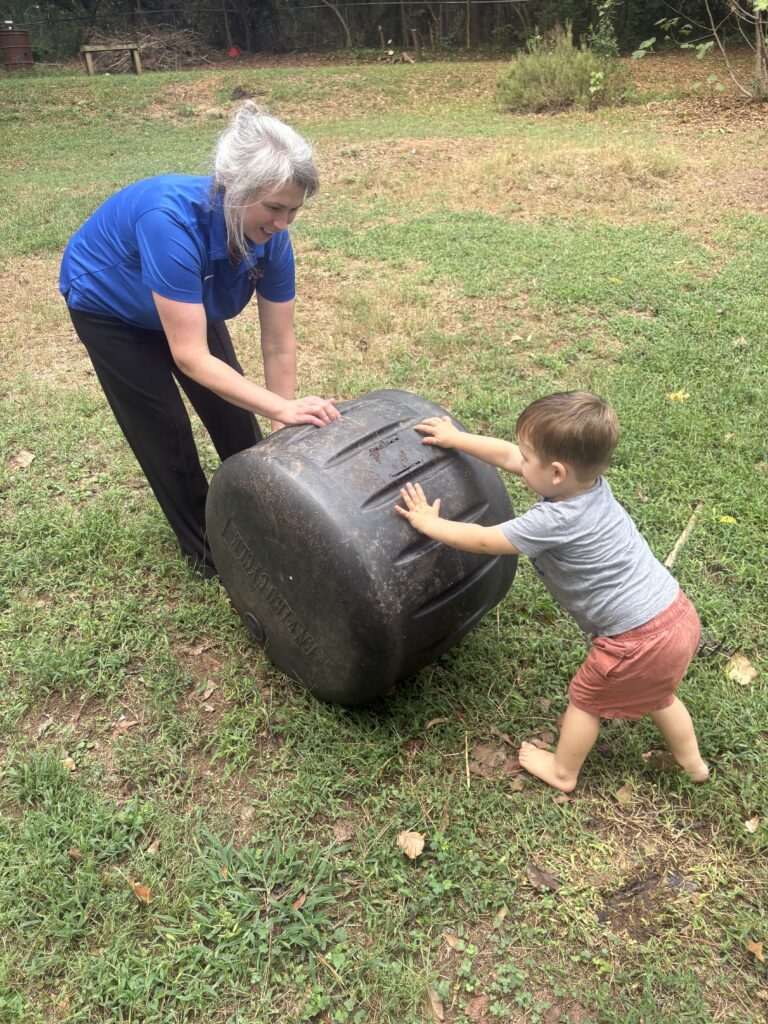
Compost can then be used as a soil treatment in gardens and agriculture which gives organic material another purpose instead of taking up space in a landfill. That is part of the motivation for Athens resident Brittany Blumenstock, who composts food waste for use in her garden.
“We wanted more control over what goes into our garden to grow our food,” Blumenstock said. “We also wanted a way to reduce the amount of trash we’re putting into the city landfill.”
Still, composting does not eliminate the need to manage methane at the landfill.
The Athens-Clarke County landfill methane capture project has been generating electricity since 2013. Federal Landfill Methane Outreach Program data provided by Welchel lists about 3.6 million tons of waste at the Athens-Clarke County landfill as of 2022. Much of that waste can continue generating methane gas long after it is originally discarded.
The Athens facility is currently drawing gas from about 37 different wells. A vacuum pulls landfill gas into the system, where it fuels the engine that generates electricity.
Instead of just letting the gas sit out there, we convert it into energy,” plant operator Riley said.
The Athens plant is relatively small compared with other landfill gas facilities, some of which draw from hundreds of wells. However, as Athens continues to add waste, newer sections of the landfill could provide additional sources of gas in the future.
Composting efforts have not significantly interfered with the Athens plant’s production, according to Riley. Even as some residents divert their food scraps to compost, enough decomposing organic material remains buried underground to continue producing methane.
The landfill methane capture project therefore addresses a different stage of the waste problem. Composting reduces the amount of new organic material buried while gas collection systems manage the methane produced by the material that has already reached the landfill.
For residents, that means the electricity generated from Athens’ waste does not make composting pointless. Instead, the two approaches provide different ways of dealing with the same waste.