

With more than 6,200 first-year students enrolled in 2025, the University of Georgia’s growing freshman class presents both excitement and sustainability challenges. The Eco-reps program is using that growth as an opportunity to educate students on environmentally friendly habits.
Sadie Eubanks, a second-year EcoRep, joined the program her freshman year and has made an effort to encourage her peers to learn these habits now.
“I think that if people can learn about sustainability while they’re here and then take what they’ve learned with them, we can get a much farther reach,” Eubanks said.
The EcoReps have a full calendar of programming, from tabling to student events. Arwen Coy, University Housing Sustainability coordinator, is the organizer of it all.
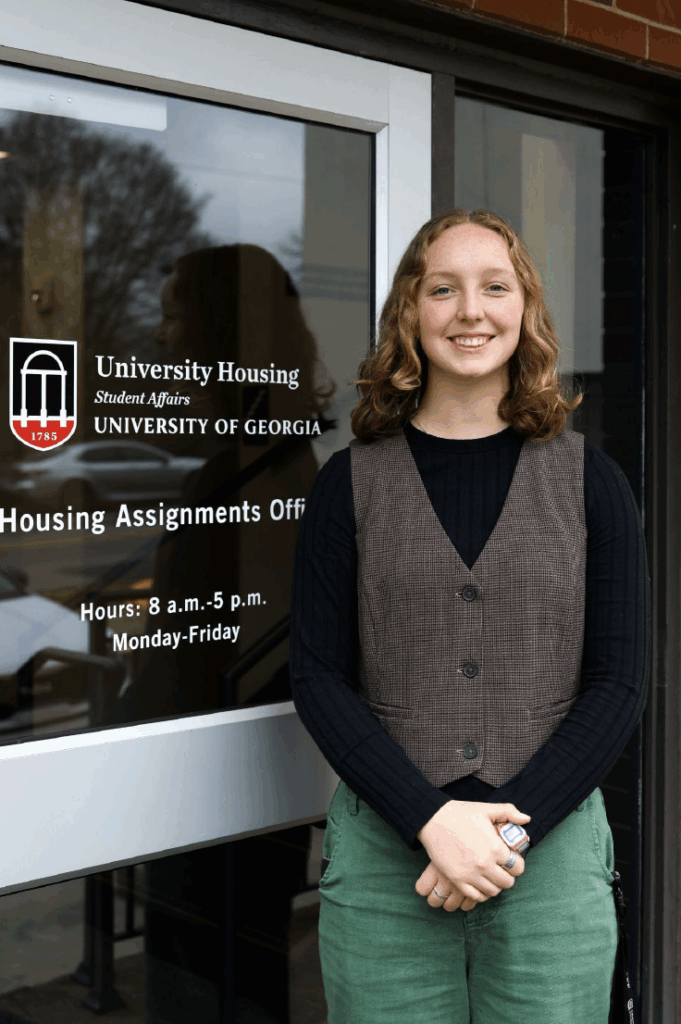
“I really love the program,” said Coy, “I think it’s great for a first-year because it is entry level, and you can get into it if you have a passion. That’s all you need.”
While EcoReps does accept all levels of students, Coy and Eubanks emphasize the need to start building environmentally friendly habits and educating others as early as possible, and showing peers how to do the same.
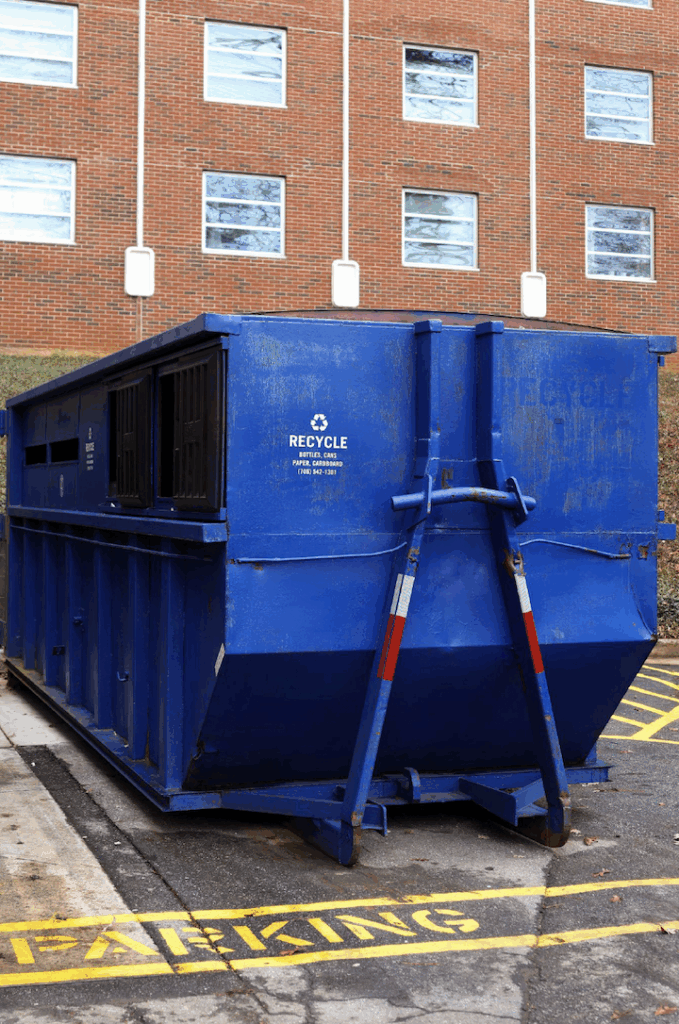
Those efforts align with broader sustainability initiatives across Athens-Clarke County. Denise Young, the interim waste reduction coordinator for Athens-Clarke County, said accessibility is one of the largest strengths of the county’s recycling programs.
“We have drop sites that most of them are open 24/7, so anybody has access to recycling,” Young said. “I’ve learned more and more that there are communities that don’t even have access to recycling, or it costs them money.”
Athens-Clarke County records show recycling totals fluctuated sharply, dropping from 13,464 tons in fiscal year 2021 to 7,344 in 2022, then rebounding to around 12,500 in 2023 and leveling off around 11,000 tons in 2024 and 2025.
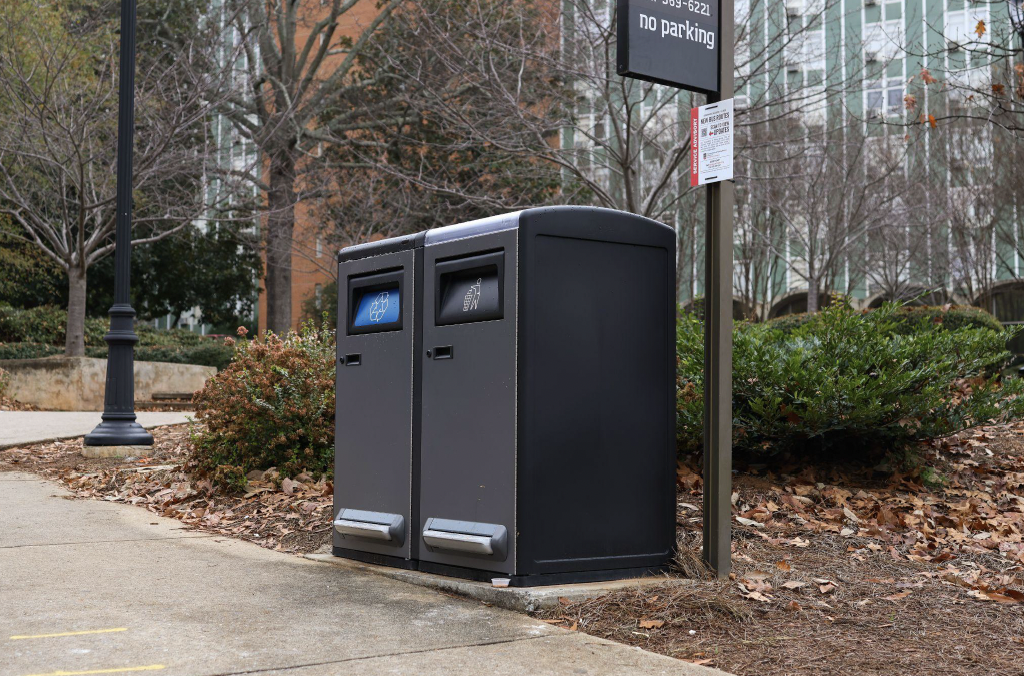
An initiative that EcoReps prioritizes is the “Commit to the bin” challenge, where resident halls compete to see which dormitory can recycle the most using the recycling bins provided to each room at move-in. Creating this competitive initiative gives residents an incentive to recycle.
“A lot of people coming to Georgia don’t know how to recycle, don’t know what to recycle, don’t know the benefits of recycling,” Eubanks said.
Young said national recycling markets have also faced challenges since 2018.
“The markets are definitely difficult,” Young said. “There really hasn’t been a whole lot of investment in recycling, just because it’s kind of been chugging along.”
Despite these challenges, Young said Athens-Clarke County has continued funding recycling and waste reduction initiatives.
“We see that as a priority,” she said. “Where other communities would cut expenses toward waste reduction, we’ve actually added more funding for CHaRM and the recycling center.”
The county’s Center for Hard-to-Recylce Materials (CHaRM) processed 318 tons in 2021, dipped to 220 tons by 2023 and rose again to 420 tons in 2025.
“The tonnage isn’t as great, but the impact is giant,” Young said. “It’s batteries, chemicals, paint, hazardous materials that you don’t want going into a landfill.”
Working alongside sustainability efforts across Athens-Clarke County, EcoReps promotes learning how to build healthy habits as a college student so that University of Georgia graduates can enter the workforce and encourage sustainability in their adult lives.
“I think that creating habits when people that are relatively young, is really important,” Eubanks said. “It’s really important to build those habits before people leave and go off on their own.”
Carly Johnson, Addie Simmons and Parker McCollum are journalism majors in the Grady College of Journalism and Mass Communication at the University of Georgia.



Show Comments (0)