Back-to-back winter storms in Athens exposed confusion about plastic recycling and highlighted a larger issue of everyday waste.
The forecasts for these storms last month sent Athens residents rushing to grocery stores, where cases of bottled water and packaged goods disappeared within hours. Business surged as shoppers stocked up ahead of icy roads and potential power outages.
Josh Maddox, an assistant manager at Earth Fare, said sales increased by 30% to 40% in the days leading up to the first storm.
“Half a pallet [of bottled water], as soon as we had it out, it was gone in a matter of hours,” Maddox said. “Aisles were pretty much just bare and everything was bought out.”
Athens resident Sarah Gilbert saw the same urgency. Although she said she was more worried about the ice storm than the snow a week later, she still adjusted her routine.

“I went Friday night because I was very worried,” Gilbert said. “Everybody was telling me how bad the stores were, how long the lines were. I was seeing pictures and videos.”
Like many shoppers, she noticed bottled water disappearing first. Although her family typically uses refillable bottles, she keeps a case at home “just in case.” Most of what she purchased was used in the following days.
We pretty much used everything,” she said.
The rush to prepare was visible inside stores. Less visible was what happened after the storms passed, when residents discarded the plastic packaging.
Why It’s Newsworthy: Although the storm-driven rush lasted only a few days, local officials say it reflects a broader issue. Short-term spikes in consumption may empty store shelves, but routine shopping habits determine how much plastic ultimately enters Athens’ waste stream. In that sense, the storms did not create a new problem but underscored an ongoing one.Athens-Clarke County Solid Waste Director Suki Janssen said the storms did not create a measurable increase in plastic waste locally.
“Not a measurable one,” Janssen said. Overall tonnage may have slightly decreased during the first storm weekend after the University of Georgia encouraged students to leave campus, reducing downtown waste generation.
Janssen said everyday recycling behavior presents a more consistent challenge than isolated weather events. Periods of high purchasing can contribute to contamination in curbside bins, particularly when residents throw out packaging incorrectly.
The plastic shrink wrap around cases of bottled water, for example, is recyclable, but not through standard curbside collection.
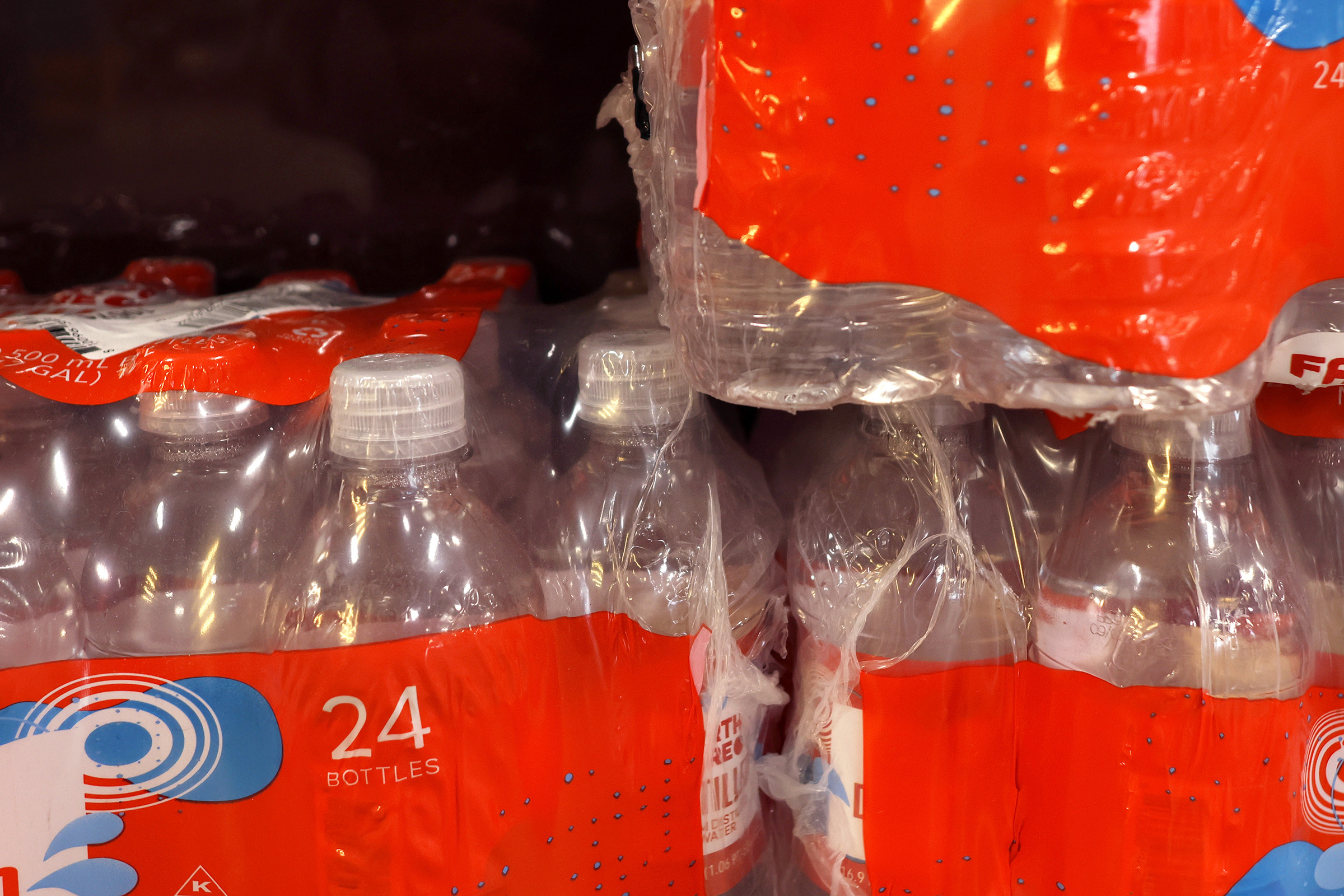
“A lot of people still don’t realize that it’s recyclable, but not with traditional recycling,” Janssen said.
Recycling confusion extends beyond storms. According to a U.S. plastics recycling report from the National Institute of Standards and Technology, only about 8.7% of plastics in the United States were recycled in 2018, while the majority was sent to landfills or incinerated.
While Athens’ winter storms did not produce a measurable spike in waste, local officials say everyday plastic consumption contributes to a much larger, long-term problem.
Denise Young, waste reduction coordinator in Athens-Clarke County’s Waste Reduction Division, works at the county’s Center for Hard to Recycle Materials, or CHaRM. She said many residents assume that any item with a recycling symbol can go in a curbside bin.
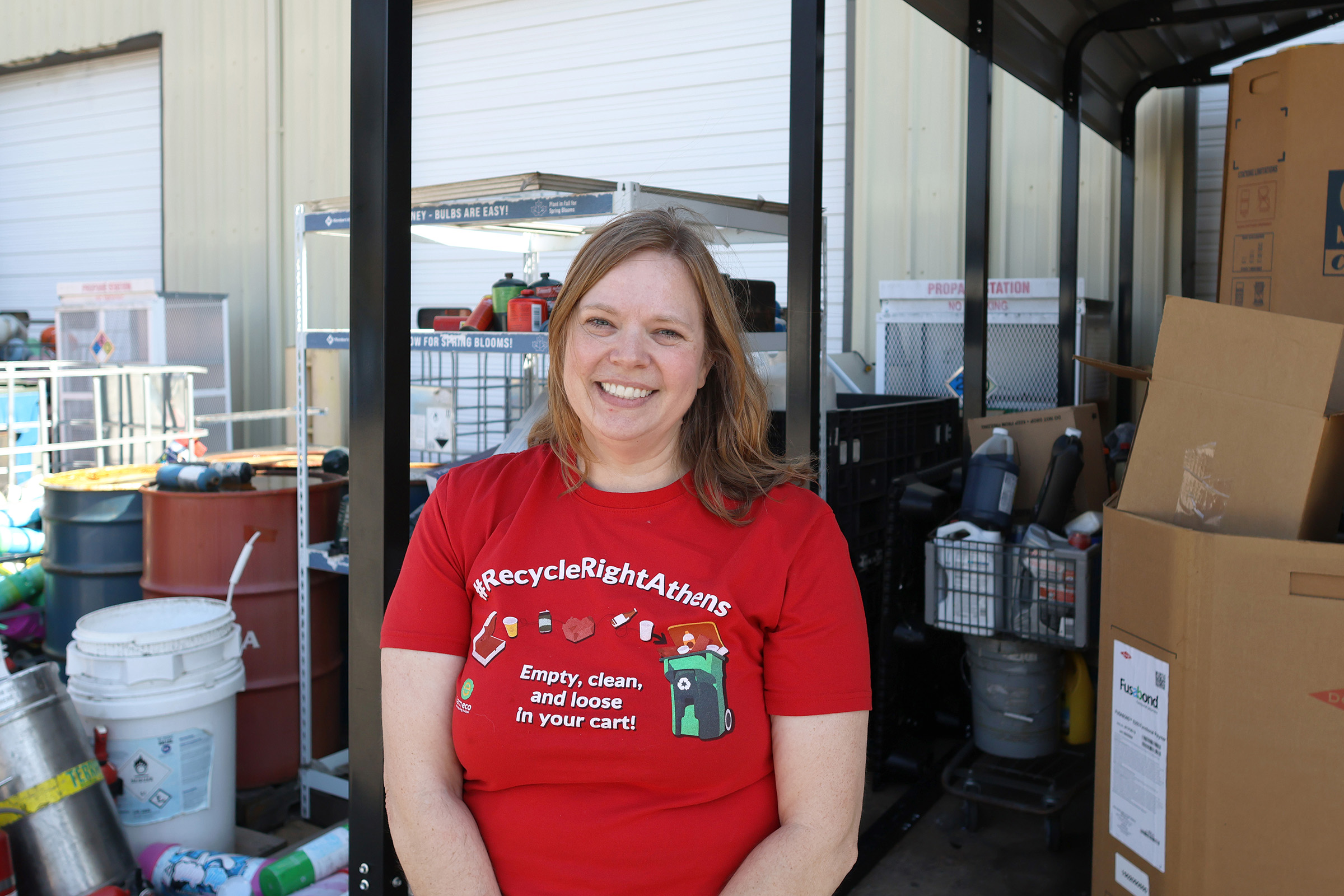
“So CHaRM is our Center for Hard to Recycle Materials,” Young said. “Those are materials that can’t be picked up curbside.”
Items such as electronics, Styrofoam, plastic bags and batteries require special handling because they can damage sorting equipment. Flexible plastics can wrap around conveyor belts, forcing workers to manually cut them off machinery each day.
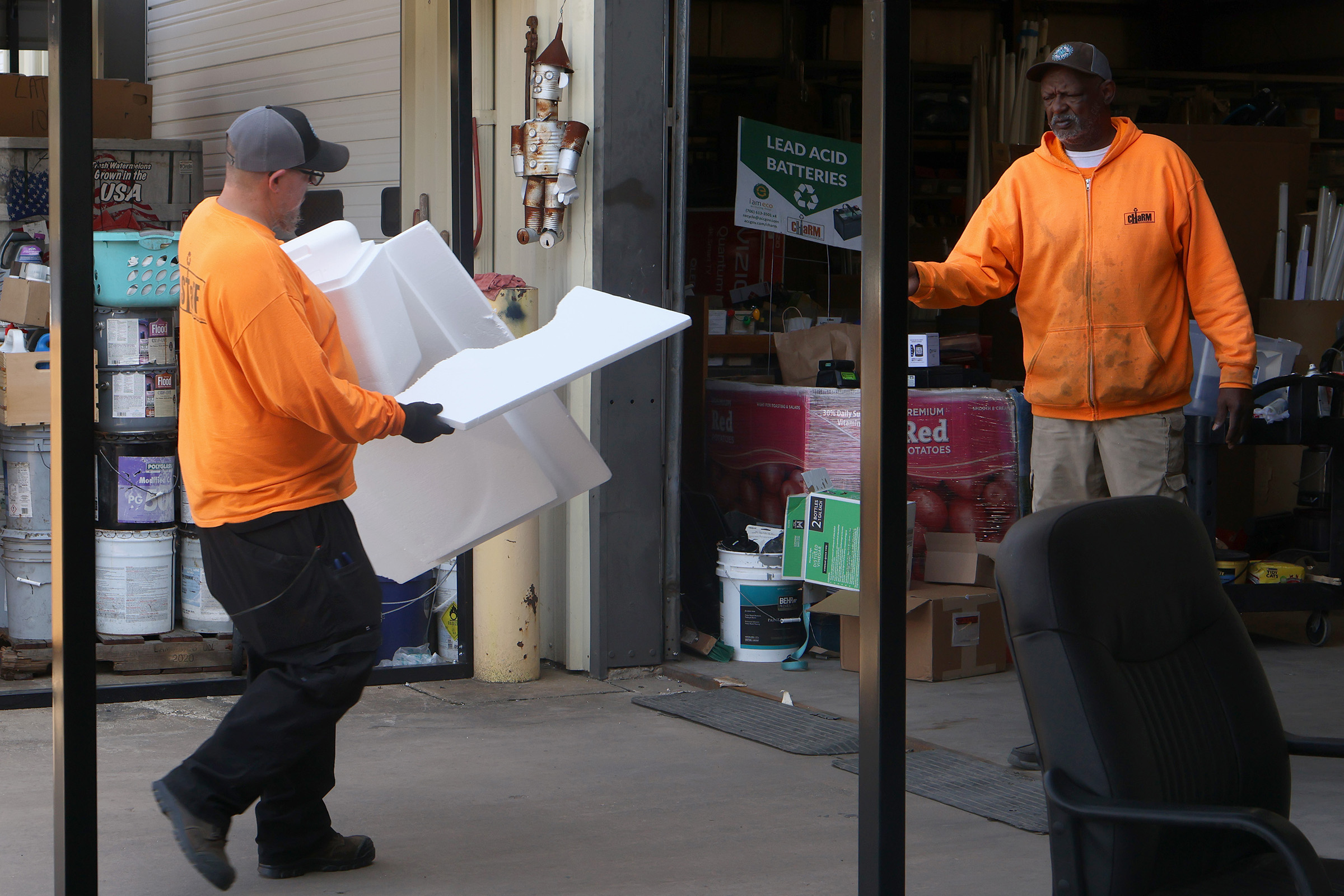
“If it’s smaller than your fist, then it is going to fall through with our glass,” Young said, explaining why small plastics such as straws and prescription bottles are not accepted curbside.
Young said one common misconception is what she called “wish-cycling,” when residents place questionable items in recycling bins hoping they can be processed.
Just keep it simple,” she said. “It’s bottles, cans, paper, cardboard.”
Gilbert said her family recycles regularly, including bottles, cans and milk containers, but she believes many residents could benefit from clearer information.
“Probably not,” she said when asked whether the community has a strong understanding of recycling rules. “I think there could be more to it.”
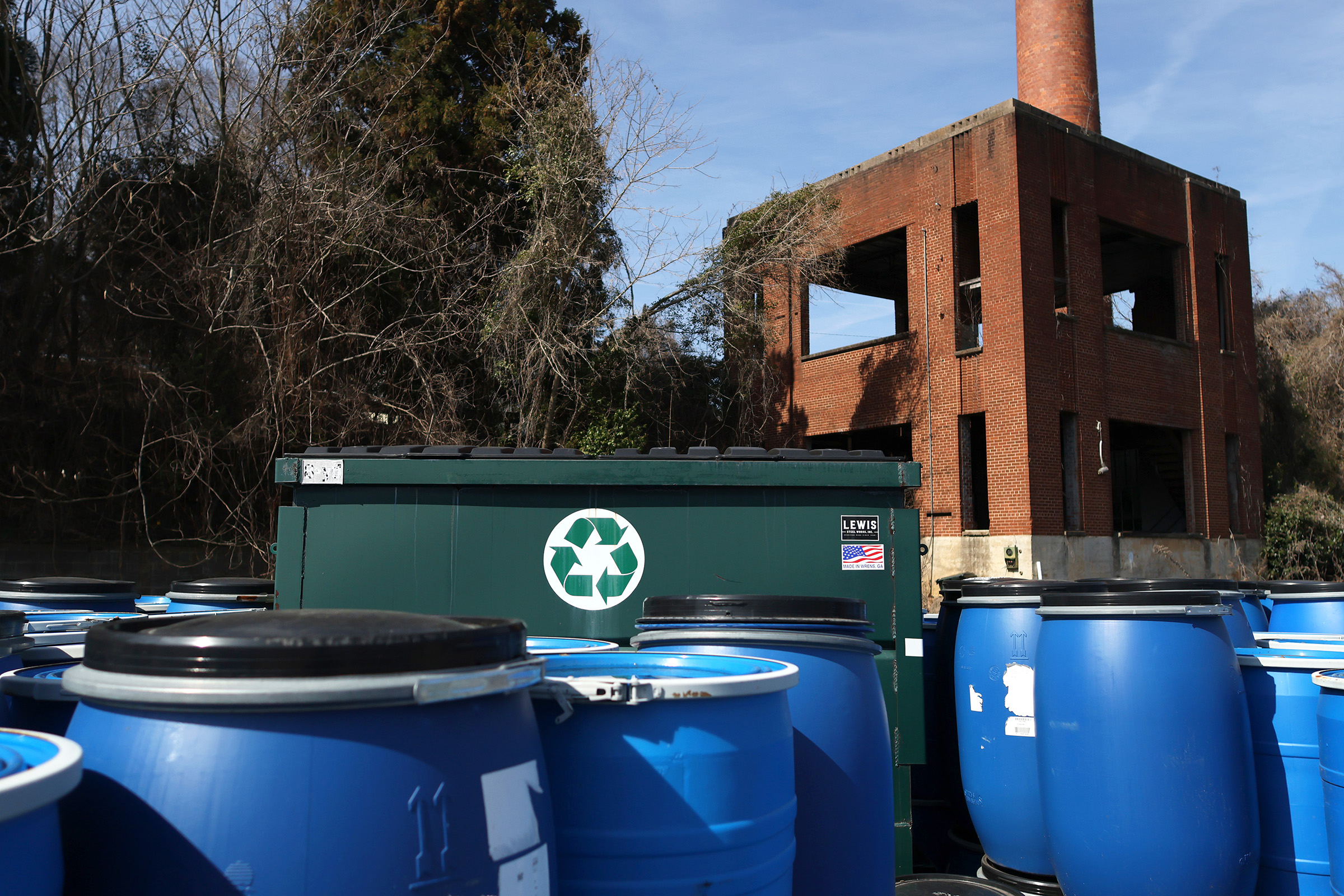
Gilbert’s uncertainty reflects a broader concern among local officials. Janssen said residents often rely on national recycling information that does not match Athens-Clarke County’s guidelines, contributing to confusion about what belongs in curbside bins. The more hyperlocal the information, she said, the more likely residents are to prevent contamination in the local recycling stream.
While the back-to-back winter storms drew attention to plastic consumption, the surge in bottled water and packaged goods offered a visible reminder of how quickly plastic enters the waste stream.
Janssen said the broader issue extends far beyond emergency shopping.
“I wish they would reduce their use of plastic,” she said. “We put too much emphasis on recycling, and we need to put more emphasis on reducing and reusing what we already have.”
Ansley Kelly is a junior majoring in journalism and minoring in design and media at the University of Georgia.