Klassy Kats: Working Toward Solutions That Are Cat, Community Centered

Citizens of Butts County are no strangers to seeing animals dropped off on the side of the road or strays living on backroads. Butts is a rural county that is constantly dealing with overpopulation of animals.
Over halfway through 2025, 497 cats had been taken in solely by Butts County Animal Control. Out of those cats, only 14 have been rehomed according to the National Animal Interest Alliance as of Sept. 15.
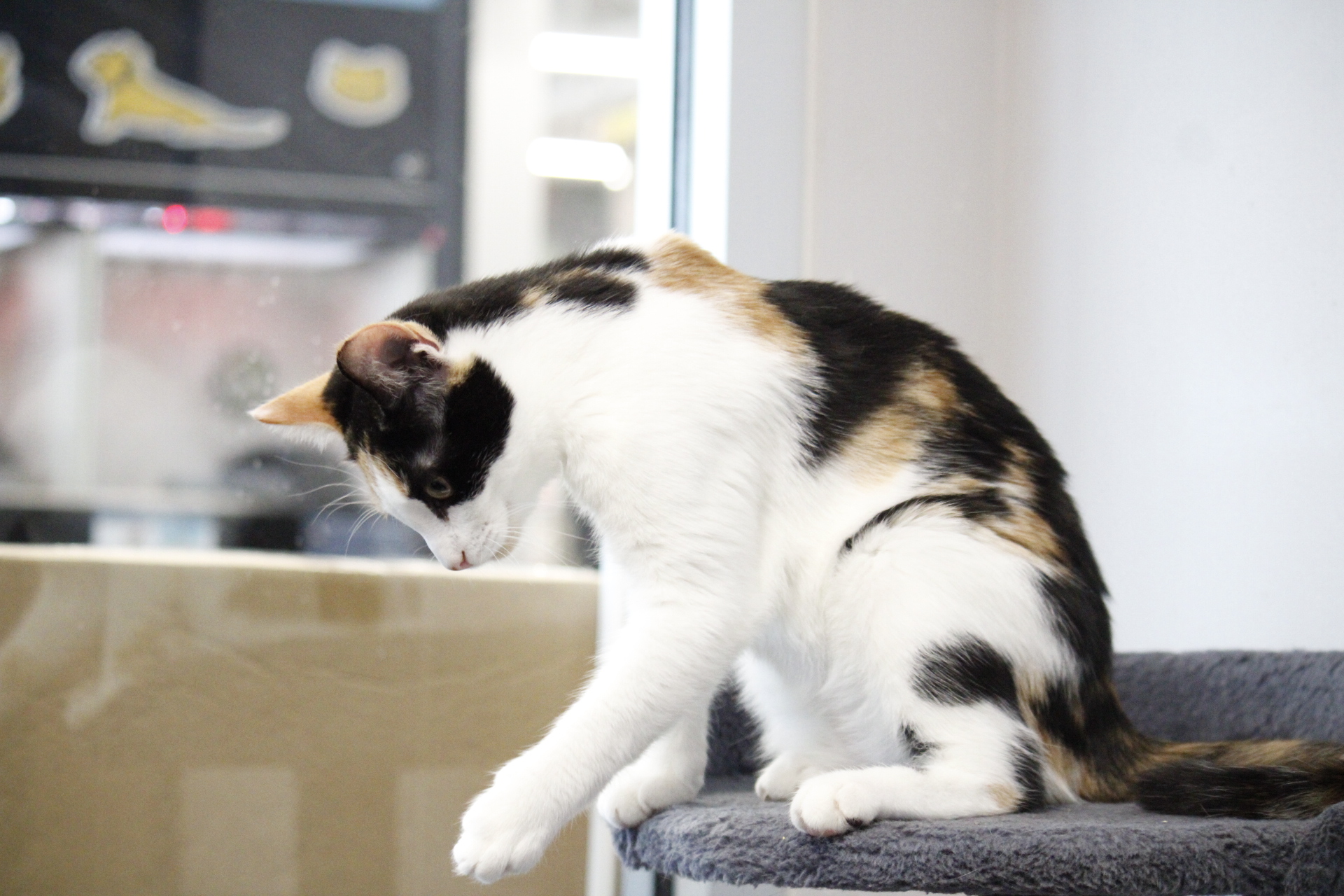
In 2021, Klassy Kats was created in Butts County in response to this problem. Juli Price and Hunter Jones, board members of Klassy Kats, were both volunteering at Butts County Animal Control when they decided to come together to create this organization in hopes of getting cats fixed before they were adopted.
“I think it’s the single most important thing people can do,” said Sherrie Hines, limited-term professor at the University of Georgia’s School of Law, when referring to the importance of people getting their cats spayed/neutered.
Hines has worked with the School of Law’s Practicum in Animal Welfare Skills program, otherwise known as PAWS. She has also helped the PAWS director Lisa Milot form classes on animal welfare, to help inform citizens.
This nonprofit rescue is reliant entirely on volunteers and fosters as they have no physical facility of their own. Klassy Kats is able to keep eight of their cats at Petsense in Locust Grove. It is currently operating with seven fosters, four board members and 10-15 volunteers that are on rotation.
The board members of this organization are not just the face of Klassy Kats, but help foster cats themselves and help any way needed. These members include Juli Price, Hunter Jones, Leticia Wyatt and Michelle Sims. Each of these members take care of cats in different situations. Price takes care of the kittens who need to be bottle-fed every two to three hours and Sims takes care of the nursing moms.
Fostering is not the only service that Klassy Kats offers. They offer a barn kitty program that takes cats who would not be “lap kitties” and fully vets them for rodent control at barns, which includes fixing them, microchipping and tipping one of their ears. Tipping the cat’s ear is something that indicates if they have been fixed by a vet through a process of Trap-Neuter-Return or TNR. Currently they have 10 barn cats in their system.
This program helps cats who may not otherwise be adopted out of a shelter because of their personality or unsociability. The same adoption process applies to the cats who would be going into the program or into someone’s home. There is also a five acre minimum requirement for the amount of land that the barn cat would live on. When adopting out barn cats, the rescue tries to adopt out in pairs to make the transition easier on both cats. There is no fee when getting barn kitties from Klassy Kats.
“We’re just grateful to have somewhere for them to go,” said Price.
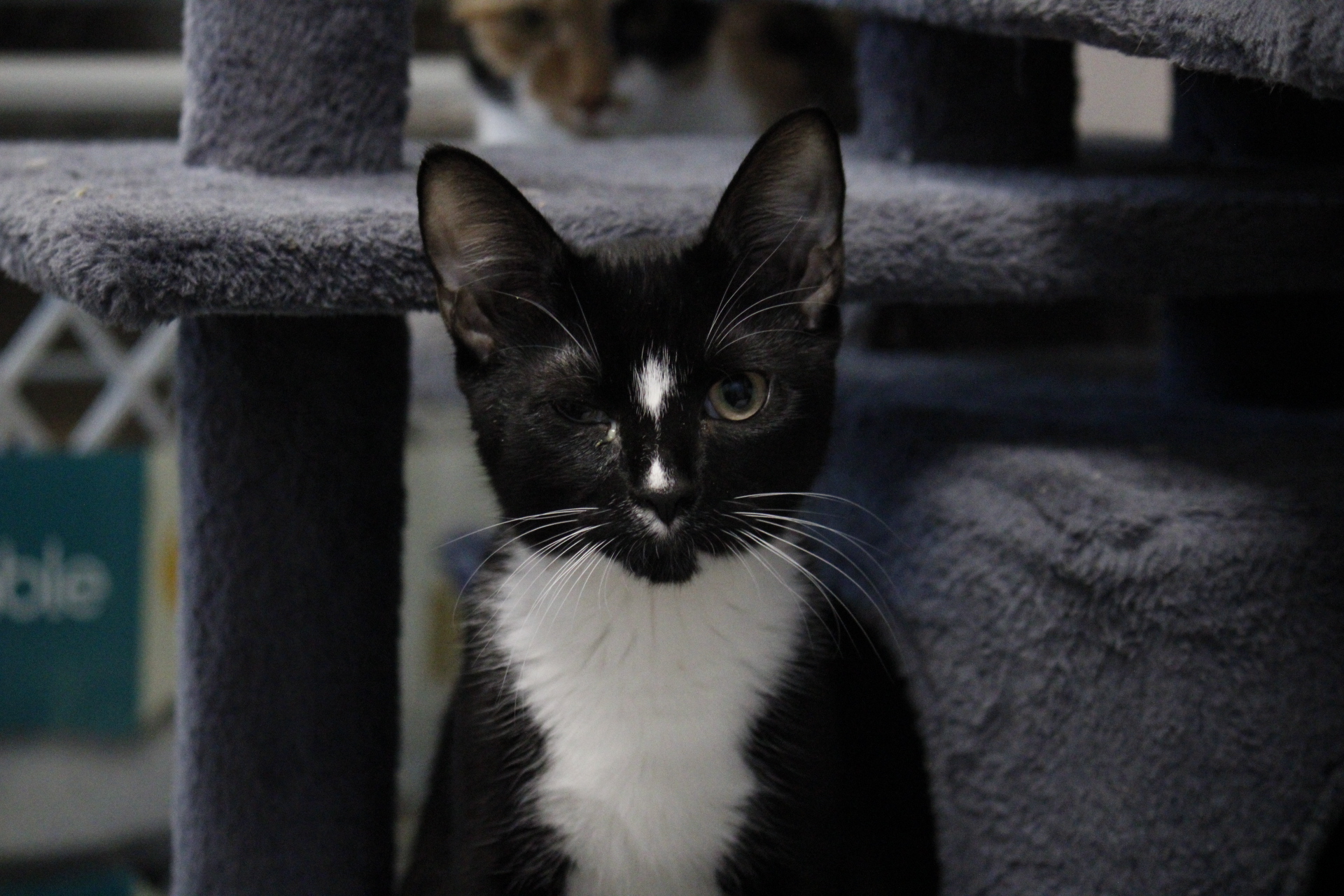
In 2024, the rescue was able to adopt out 203 cats and are trending to do the same for the 2025 year. Klassy Kats was also able to facilitate over 300 cats to larger rescues. By doing this, they kept cats off the streets, safe, fed and unable to reproduce to add to the overpopulation problem in the county.
There are too many animals being produced, too few homes,” said Hines.
A single cat can have three litters in one year and can begin reproducing at 4 months old. Most people might not think the problem is relevant to them. However, in most areas, part of the tax revenue is going toward maintaining county animal shelters. Another issue is the lack of low cost spay and neuter options in Butts County.
“There’s just so many kittens and some days we feel defeated because there’s just so many that people want to give us and we only have so much room,” said Price.
Klassy Kats is funded solely on donations, fundraisers and grants. The biggest contributor of the rescue has been Fix Georgia Pets. The money raised from adoption fees goes straight into vetting the next cat that Klassy Kats takes in. Funding is something that the rescue needs more of to be able to grow but they are limited to how much people donate, grants received and money raised from fundraisers.
Looking to the future, Klassy Kats hopes to be able to expand their TNR team. This requires developing a team for trapping, transporting, and helping the cats recover. The largest struggle of the rescue is doing large scale transportation for TNR.
Klassy Kats hopes to obtain a mobile unit which will increase the amount of cats that they can transport from different areas. The organization also hopes to be able to educate the public more about spaying and neutering cats.
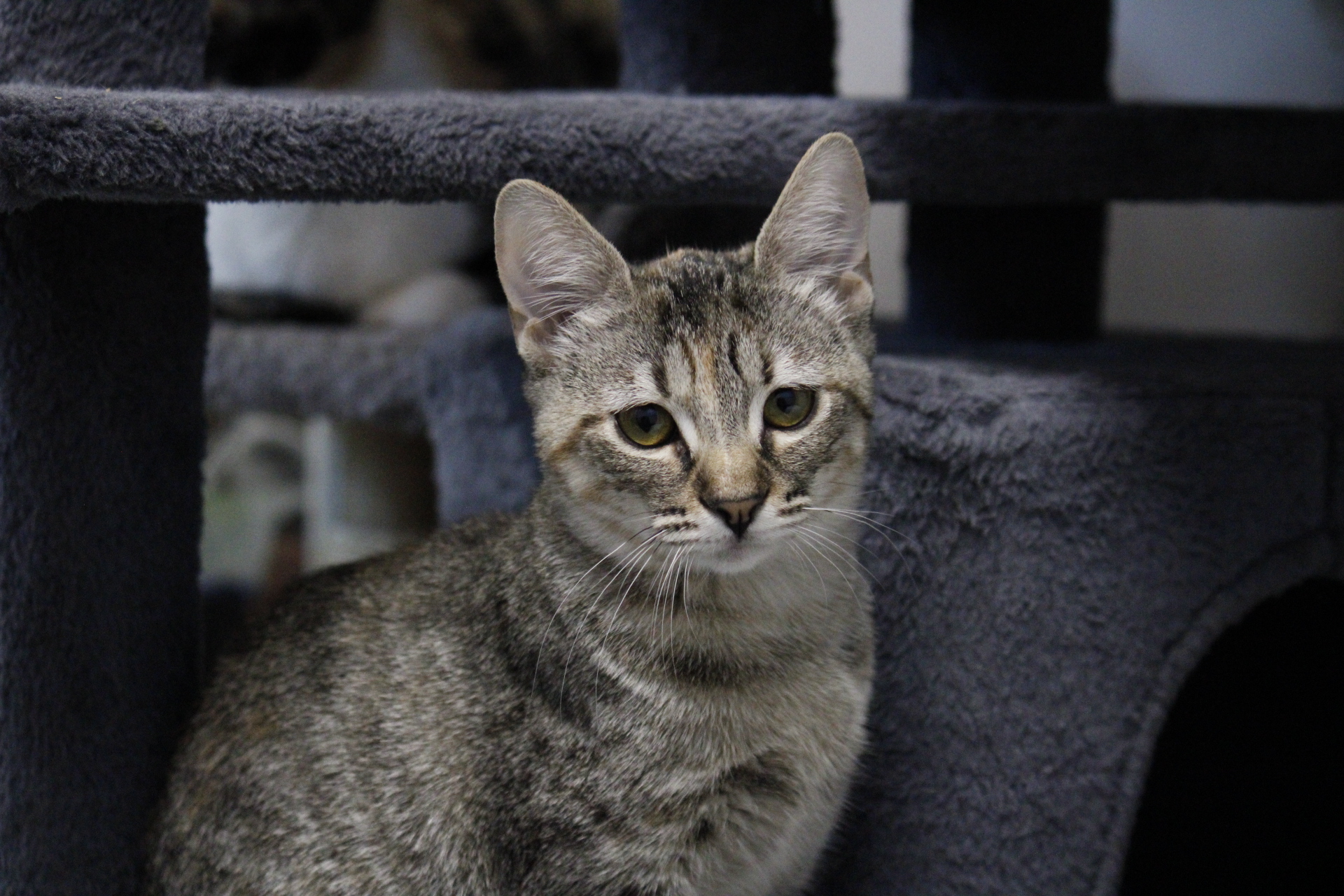
“I think that’s the answer to the overpopulation in our county and community is education,” said Price.
Community members are a factor into the success of these types of organizations. They can adopt cats, fix them and donate time, supplies and money to Klassy Kats. This is not the only way that community members can help Klassy Kats and the overpopulation of cats. There are ways to get the local government involved to revise local ordinances to possibly make it mandatory to spay and neuter animals. If this were implemented, it would relieve shelters, Klassy Kats and others like them.
In order to do this, it would require community advocacy, as well as talking to the local animal services staff and showing them what other communities have done to help with the overpopulation of animals.
“Animal rescue is a team effort,” said Hines.
Katy Hester is a senior majoring in journalism at the University of Georgia.