

The Athens-Clarke County Commissioners are expected to decide Tuesday whether to extend the moratorium on data centers as concerns over water, power use and rising utility costs have dominated the local conversation.
After 10 hours of debate-filled meetings where residents voiced their concerns, the mayor and commissioners can choose to either extend the pause on data centers that began in December 2025 or accept the proposed regulations from the county planning commission.
These proposed regulations would impose specific zoning requirements on data centers, including closed-loop cooling systems that require centers to recycle on-site water instead of using municipal water sources. There’s also a provision for limited power capacity, with any data center over 5 megawatts of power required to have on-site clean energy, such as solar or wind.
While many residents have spoken out against data centers for various reasons, most seem concerned about their potential impact on local utility costs, given their high water and power demands.
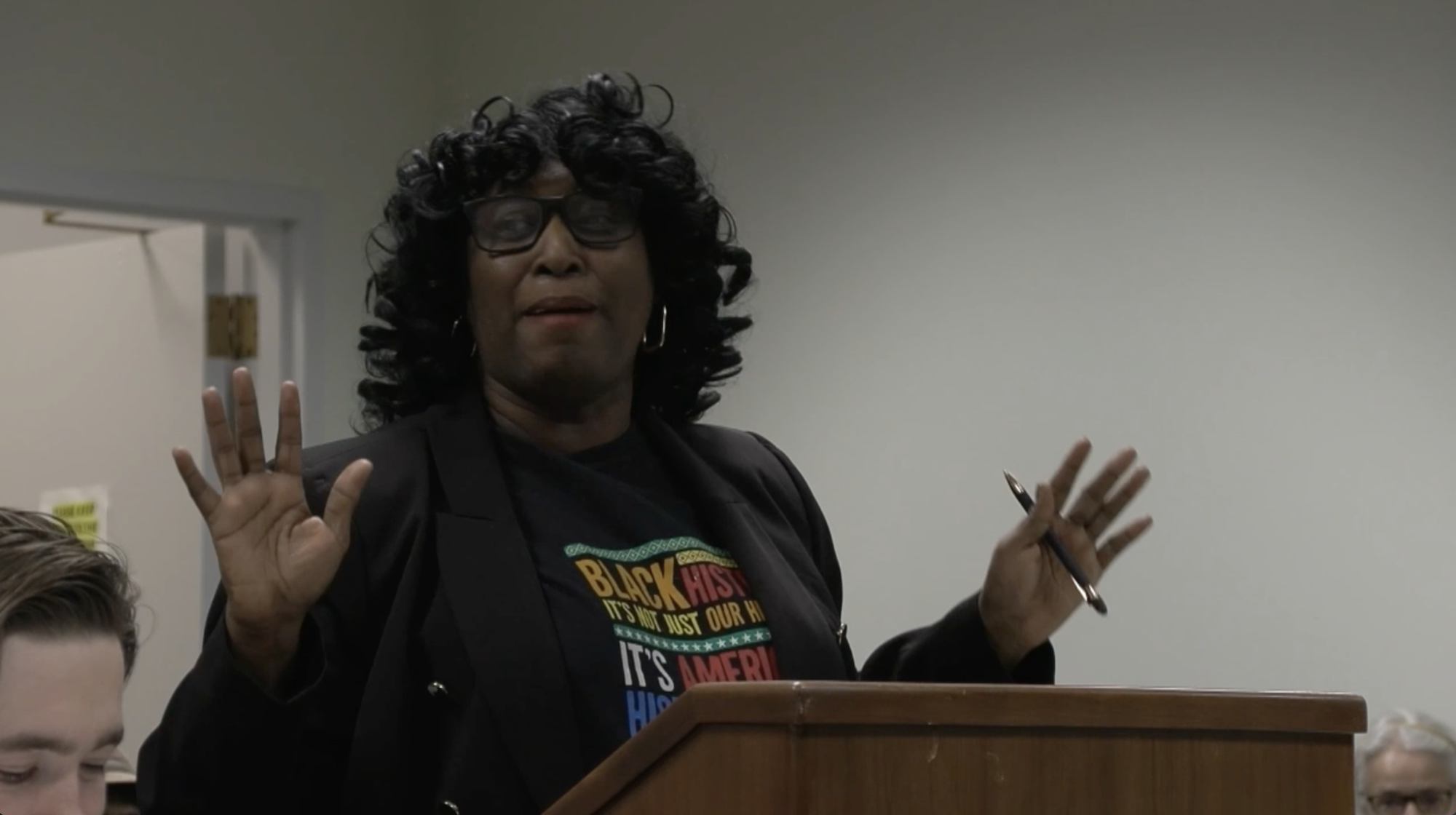
“There is a lot of push back, and I don’t know how we are going to get around it, but I really think we need reporting on the energy use, on the data centers,” said Laura Iyer, director of the Southern Sustainability Institute. “If we could crack that nut, I think that would be huge.”
Those concerns are also being debated in the Georgia Legislature, as lawmakers consider bills like House Bill 559, sponsored Rep. Spencer Frye (D-Athens), which would end the large tax incentives for data centers by December of this year.
We’re already in water wars. We are in water wars with Alabama and Florida,” Frye said.
“So is it smart policy to bring low numbers of jobs but large uses of electricity and water? So I’m not really sure I’ve been able to calculate the ultimate benefit for data centers being in Georgia.”
One of Athens-Clarke County’s other state representatives, Eric Gisler (D-Watkinsville), who recently spoke at a data center town hall in Winterville, agreed.
“I think we way overplayed our hand to attract this industry here,” Gisler said. “And now we’re seeing the true cost in terms of energy and water resources and things like that.”
This skepticism has been echoed by the commissioners. Commissioner Melissa Link even asked the county attorney if they could outright ban data centers. However, a majority of the commissioners seemed to desire extending the moratorium to allow the planning commission more time to revise its regulations and to see the outcome of the statewide legislation before enacting its own laws.
However, some residents believe data centers should not exist anywhere in the county.
“I would like to see Athens-Clarke County outright ban data centers, but I’m not sure if that’s entirely possible,” said Athens resident Aaron Joslin.
While it is unclear whether the county can completely outlaw data centers, it could intentionally impose harsh restrictions that would significantly reduce the likelihood of any development.
If the commission decides not to adopt the regulations and extend the moratorium, the issue will return to the planning commission, which could devise new rules based on the commissioners’ recommendations to be approved at a later date.
Parker McCollum is a journalism major in the Grady College of Journalism and Mass Communication at the University of Georgia.





Show Comments (0)