Visa Changes, Uncertainties Put UGA International Scholars, Science at Risk

Shifting Federal Landscapes
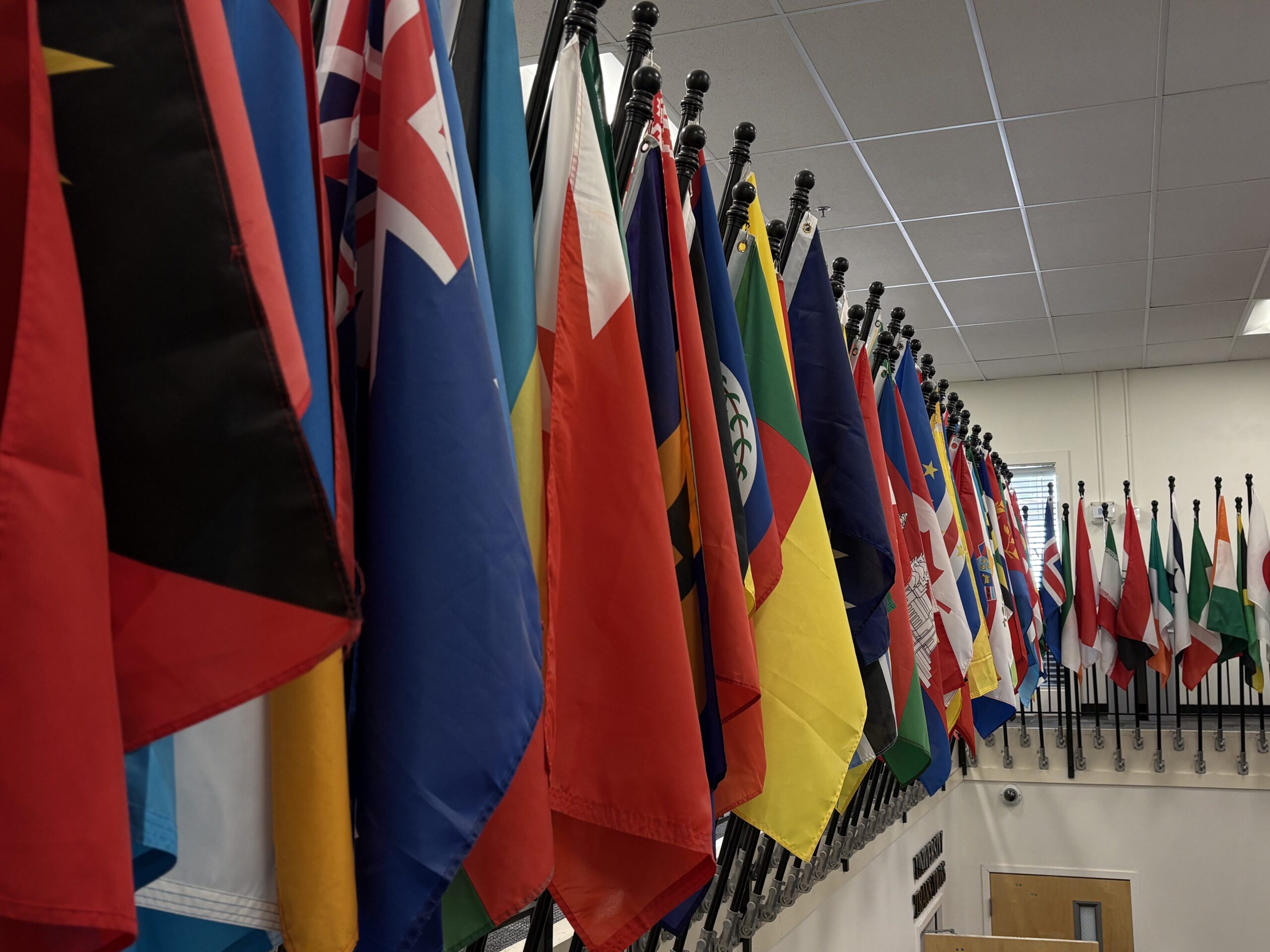
At the University of Georgia, 3,120 international students are building futures that depend on timelines they do not fully control, potentially jeopardizing their academic paths. As federal immigration policies governing student and work visas continue to shift, international scholars at UGA are studying, teaching and conducting research under a growing sense of uncertainty — one shaped not by academic performance, but by immigration law.
It makes it a lot harder when we have to deal with a lot of this unpredictability and uncertainty regarding international scholars,” Holly Bik, Associate Professor in the Department of Marine Sciences at UGA.
Immigration has been a central focus of President Donald Trump’s second term, with stricter policies framed as efforts to protect U.S. jobs and prevent what officials describe as “abuse” of visa programs. On Jan. 12, the Department of State reported the revocation of more than 8,000 student visas nationwide during the administration’s first year.
Research Implications at UGA
At UGA, a top-tier research institution classified as R1, the realities of these policy shifts are already being seen. Bik said sudden shifts and policy changes have disrupted her students’ education and research planning.
In the past year, there’s been a lot more unpredictability,” Bik said.
“My student last year, she finished the paperwork, and then they paused the appointments at the consulate. … She missed the first week of classes because she was still in Brazil.”
Bik’s lab relies on specialized training in marine taxonomy, a skill she described as “Victorian” involving months of detailed microscope work. That expertise, she said, is more common in the Global South and is not typically taught to domestic students.
While the administration claims the stricter policies are intended to protect the American workforce, Bik said that in highly specialized fields like marine taxonomy, where few domestic substitutes exist, eliminating or even slowing down international collaboration would harm research.
“It would be very difficult to find people with [marine taxonomy] skills in the U.S., so there would be kind of a gap in research projects,” Bik said, “Definitely research would suffer.”


Travel Restrictions and Degree Timelines
Under a presidential proclamation that took effect Jan. 1, 2026, nationals of 39 countries face a full or partial suspension on entry to the United States. The countries affected are in Africa, the Middle East and South America, disproportionately impacting immigrants and international students who are people of color.
Although the policy does not revoke visas held by individuals already in the U.S., it limits their ability to travel abroad. According to 2024 enrollment data, 289 UGA students and professors are from countries now subject to these restrictions. For them, leaving the country to visit family or present research could mean facing challenges or potentially being unable to return to their education or employment.
“We’re definitely, maybe avoiding international conferences for some of the people that are on visas,” Bik said. “They’re trying to, like, stick in the country so they don’t get stopped.”
International scholars from unrestricted countries are being cautious too. Bik said her graduate students from Brazil now avoid international conferences to eliminate threats of being stopped when returning.
An August 2025 proposal suggests eliminating duration-of-status, a policy that currently allows students to remain in the U.S. for the length of their degree program. Under the proposal, student visas would be capped at four years, directly conflicting with graduate programs that take five to seven years to complete.
UGA hosts approximately 1,350 international doctoral students, making up more than one-fifth of the school. This vulnerability is particularly high in STEM fields where more than half of UGA’s international graduate students are enrolled.
(Graphic/Eva Duignan)
A UGA graduate student from Ghana, who requested anonymity to protect his future in the United States, said global collaboration is important for research.
We are rich in knowledge… We have some brains coming from Europe, some brains coming from Asia, some brains coming from Africa and the rest of the world coming here to collaborate with brains from the U.S.,” the student said.
Culture of Caution and Self-censorship
Many research labs at UGA rely entirely on global talent and collaboration, but on campus and beyond a noticeable culture of caution has emerged.
Several international students and campus organizations contacted for this story declined to speak publicly due to concerns that commenting on visa policies may affect their immigration status or future renewals.
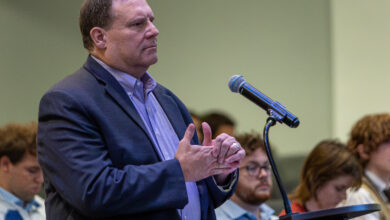
Michael Lynch, a political science professor at UGA, said he understands students’ self-censorship given recent federal threats to increase screening.
“I understand why an international student would not want to have their name complaining about a policy, and potentially have that be something that would be used in the visa process as a reason to say no,” Lynch said.
A fourth-year undergraduate student from China studying at the University of Pennsylvania, requested anonymity to protect his visa status. He said he now self-screens his online activity due to recent federal action to review visa-holders accounts.
“[Social media screening] is a concern, not posting anything political or engaging in any of that activity online,” he said.
Because of recent policy and concerns, he now plans his travel around specific ports of entry where reentry is believed to be smoother.
“Especially in LA, [reentry to the U.S.] is more of a concern compared to New York,” the student said. “So, typically if I do go back to China, I’ll probably fly to the U.S. through New York.”
The international community provides a vital “brotherhood” for one UGA graduate student from Nigeria who also requested anonymity. The student said while the U.S. academic system is “intense” and can “surpass expectations,” the connection between himself and other foreign scholars helps him navigate the pressure.
“I met some people from other nationalities and they invited me to their programs,” the student said, “This kind of interconnectedness helps people navigate graduate school and build a sense of community.”
At UGA, international students continue to connect, study, teach and conduct research while navigating unclear visa policies.
“Science is international by nature, and it’s collaborative by nature,” Bik said. “Anything that impacts that process makes science worse.”
Eva Duignan is a journalism major in the Grady College of Journalism and Mass Communication at the University of Georgia.