Electric Vehicles: Experts, Consumers Weigh the Costs, Benefits

Electric vehicles (EV) have been around for decades, but with the growing concerns emissions have on our environment, the question has become, are electric vehicles worth the investment despite the hassles of charging and planning?
At the core of the EV movement is a goal for lower carbon emissions. According to the MIT Climate Portal, the production of a lithium-ion battery for the Tesla Model 3 could create as much as 80% more emissions than building a gas-powered car of comparable size.
Once either car rolls off the lot, in Georgia, the driving and charging EV of any kind produces less emissions than a standard vehicle. In other states, it depends on the electrical energy sources used.
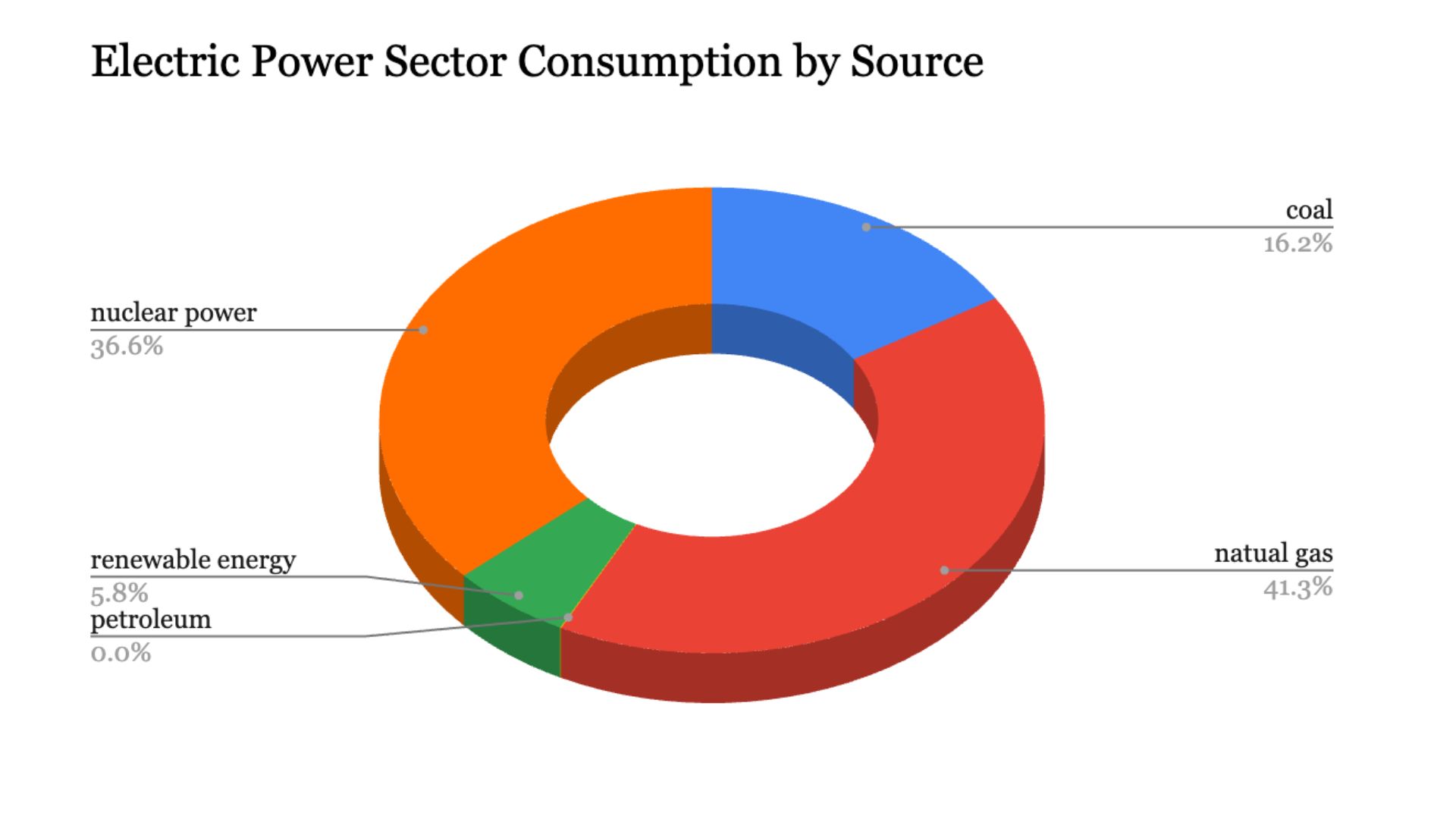
Electricity usage in Georgia comes from four main sources, 16.2% coal, 41.3% natural gas, 5.8% renewable energy and 36.6% nuclear power, according to the U.S. Energy Information Administration. With the main two electrical sources coming from natural gas and nuclear power, EVs produce less emissions in their charging process than gas-powered vehicles produce on the road.
“Most people are going to buy their energy from Georgia Power, right? And Georgia Power even not having the most diverse profile, or maybe still not retiring as much fossil fuel sites as they said they would by this time,” said Joey Crews, the energy program and conservation coordinator for Athens-Clarke County. “There’s still a good mixture of nuclear energy in there, and that’s a lot of clean energy that’s going into charging a vehicle.”
In terms of maintenance, an EV requires little long-term maintenance. With a charging area at home to plug in your vehicle on a nightly basis, there is no need for an oil change unlike a gas-powered car.
“From a cost-benefit analysis, absolutely,” Crews said, when asked if it is worth purchasing an EV. “It’s about three times more worth it in terms of maintenance.”
From a consumer perspective, Jeff Dernavich finds the range anxiety when driving longer distances the biggest concern. Range anxiety is defined as the consistent concern that one’s EV will run out of power before reaching the necessary destination or available charging port.
For many, this has deterred them from purchasing an EV.
According to the Georgia Department of Economic Development, there are 2,317 active EV charging stations available within state lines. Georgia’s Department of Transportation has reinstated the National Electric Vehicle Infrastructure (NEVI) Formula program looking to increase the number of available charging stations across Georgia.
This program took a pause in February of last year, by order of the Trump administration, but was reinstated in July after a ruling from a federal judge lifted that freeze.
For those whose concerns of range anxiety continue despite the developments made by the NEVI program, the plug-in hybrid (PHEV) may be the best alternative to counteract that fear while still maintaining a level of sustainability.
I think that plug-in hybrids are the best option right now because it eliminates the issue of range anxiety. It saves you money,” Crews said.
“The only issue with it is that there’s probably going to be more maintenance cost concerns or maintenance concerns than with an electric vehicle.”
PHEV are still plugged in and charged like a standard EV, but there is also a gas tank that acts as an emergency reserve in case it is needed on longer drives. From a consumer perspective the PHEV is also looked at as the best option for the current climate.
“The ideal for me is the plug-in hybrid, that’s the one that just makes the most sense to me. I’m perfectly happy to charge it in my garage every night for a slow charge. And if you have a battery with 40 miles again for most commutes, that’s going to take care of your daily driving,” Dernavich said. “But if you want to go longer, or, you know, you change your mind and you were to just go for a drive after work. You’re not limited to the battery.”
Ella Sather is a third-year journalism and sports media student at the University of Georgia.