

As classrooms across Georgia return to full-time, in-person learning, educators and families are grappling with a challenge that has only grown in recent years following the COVID-19 pandemic: a noticeable rise in learning disabilities, particularly in early readers and students with developmental delays and disabilities.
Nationwide, approximately 7.5 million students received special education and related services during the 2022-2023 school year under the Individuals with Disabilities Education Act (IDEA), according to the National Center for Education Statistics.
Educators and psychologists say the pandemic disrupted vital developmental years, especially for students who were in virtual classrooms during kindergarten through second grade, in which reading instruction is critical. The result has been a noticeable increase in academic gaps and attention deficits, leading to more children being referred for evaluations and diagnosed with learning disabilities.
“For some students in those primary years, kindergarten, first or second grade, if they were virtual, they weren’t getting the best instruction for reading,” said Emily Parr, a psychologist with the Jackson County School System.
So I think that definitely led us to some gaps within student ability, but also increased screen time has shown to indicate more attention difficulties as well.”
Among the most commonly identified issues are phonemic awareness deficits, autism spectrum disorder, attention-deficit/hyperactivity disorder (ADHD), and speech and language delays, challenges that many parents and educators believe were either missed or appeared during the pandemic.
Why It’s Newsworthy: Georgia schools are responding to a steady rise in learning and developmental needs that became more visible after virtual learning. Classrooms across the state alter their traditional practices to meet the needs of growing populations of students with learning disabilities.Schools Respond With Targeted Interventions
To address the growing needs, school systems like Jackson County are implementing interventions designed to close the gaps for students falling behind, particularly in literacy.
“For students that are struggling with more reading comprehension, we have an intervention to support reading comprehension,” Parr said. “The Orton-Gillingham intervention that we have is able to more quickly bridge the gap with those phonemic difficulties that students struggle with when they’re learning to read.”
Instructors utilizing the Orton-Gillingham approach create unique lesson plans and structure materials to accommodate the individual student by pacing instruction and introducing new materials according to their strengths and weaknesses.
“I think in the next couple years, we’re probably going to see an influx of resources to use to help those students that may be showing signs of potential learning disabilities,” Parr said.
Rise in Autism Diagnoses, Especially in Boys
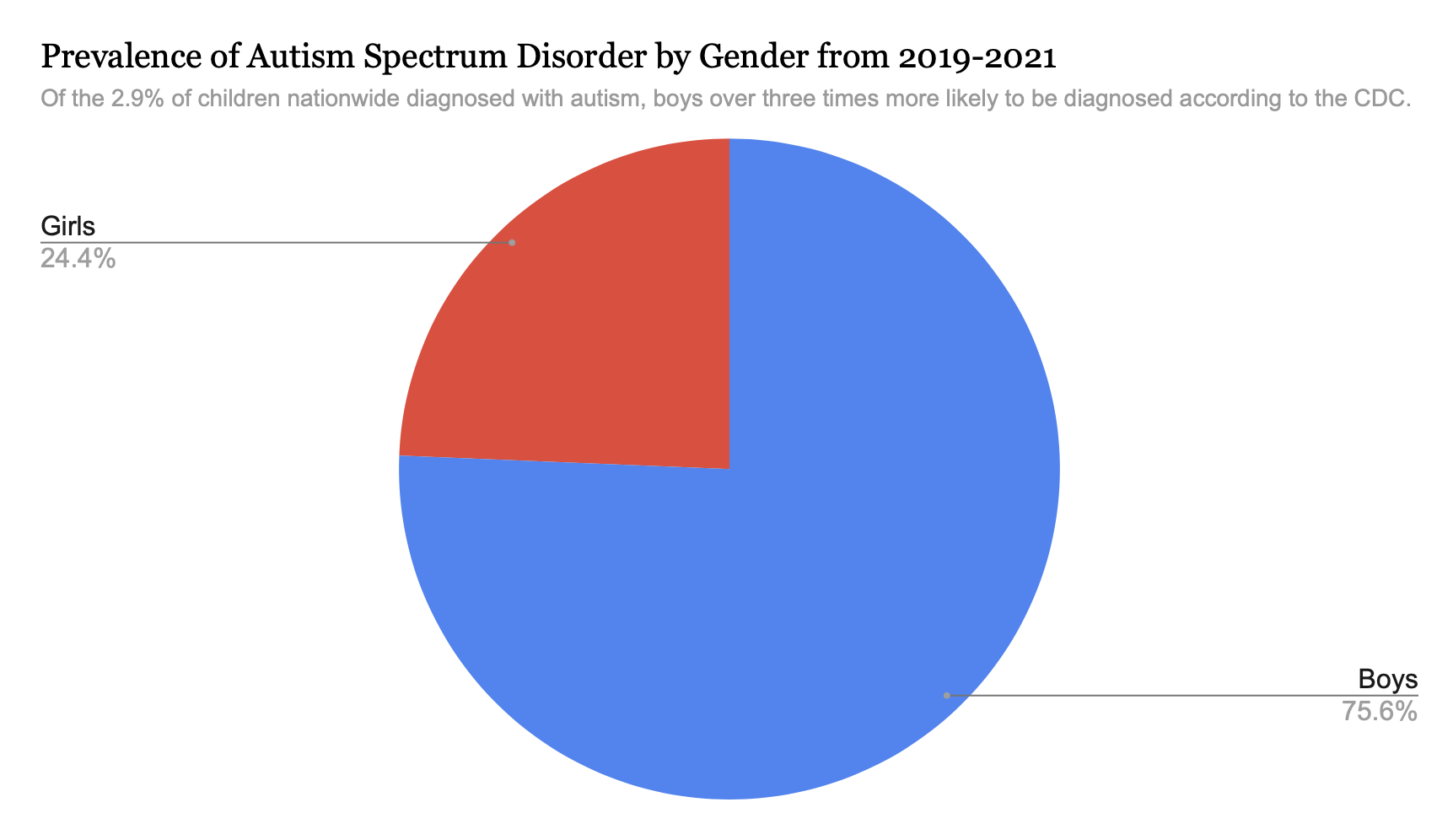
One in 31 children in the United States has autism spectrum disorder, the highest prevalence rate on record as of 2022.
Parr agrees, noting that autism diagnosis rates have increased yearly in the Jackson County School System, with boys diagnosed more often than girls because the disorder presents differently between genders.
“I have seen more boys come into schools with a private autism diagnosis than girls because it presents so differently in boys,” Parr said. “It’s more likely to be identified by a pediatrician, have concerns by a parent or supported by a private evaluation.”
Alicia Donnell, whose son Alex is in the special education program at C.W. Davis Middle School in Hall County, recalled ways her son showed signs of autism prior to his autism diagnosis.
“He always presented like, what you’d like, the typical autism traits, like he would walk on his toes and he did hand flapping,” Donnell said.
Special Education Programs Adapt and Evolve
For students with more intensive needs, schools are modifying the curriculum and classroom structure. At Gum Springs Elementary School in Jackson County, Abby Wyant said her daughter Blakely has thrived in a consistent, supportive classroom.
“She’s been in the same class every year, so it’s the same teacher, same parapros,” Wyant said. “There’s one teacher and three parapros in her class, so the ratio is really good. They just adjust the curriculum to the students and what they are able to do.”
In the educational team, paraprofessionals (also known as parapros), are support staff who assist teachers and students, ensuring that students learn effectively.
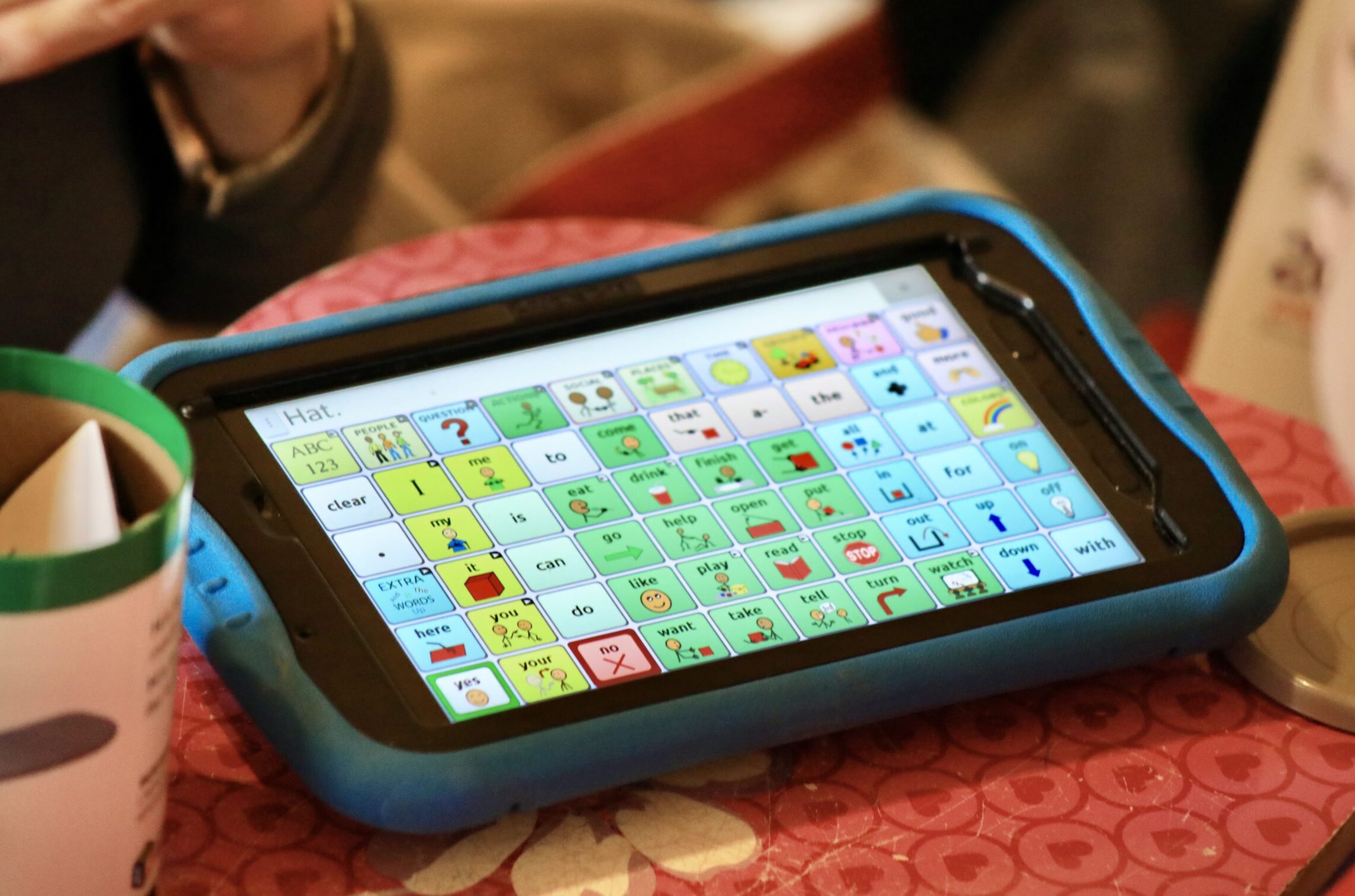
Blakely, who was diagnosed with severe autism and epilepsy at 15 months old, also underwent testing that revealed a brain injury (PVL) and cortical vision impairment and a missing part of her third chromosome. She uses an augmentative and alternative communication (AAC) device to express her needs.
The device includes buttons that say phrases such as “eat,” “drink,” and “help” to increase independence and improve the individual’s ability to express themselves effectively.
Private Therapies Fill in the Gaps
Despite the schools’ efforts, some families are seeking additional help from private therapy providers to supplement speech therapy, occupational therapy and other services.
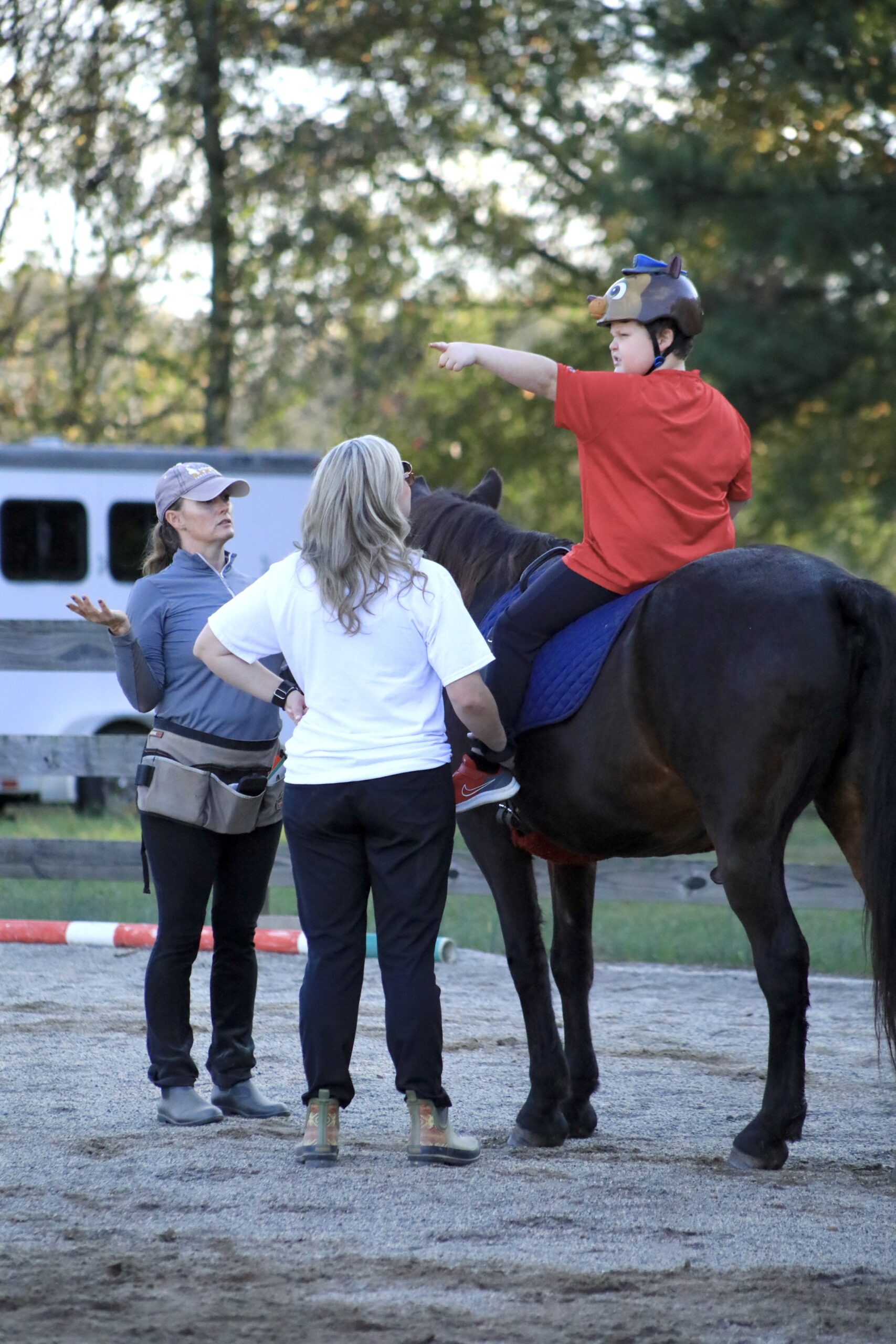
For Donnell’s son, hippotherapy, which utilizes horses and horseback riding as a therapeutic tool, have made a dramatic difference in his speech and communication.
“With horse therapy, I wouldn’t say that he even liked horses, but we thought we were going to try it,” Donnell said. “But there’s something about when he gets up on the horse, he is the calmest he is ever. We’re thrilled with his progress.”
Looking Ahead
While parents and educators acknowledge the strides schools are making, many feel there is still more to be done.
“I feel like they care about the kids. But they could do more, because you can always do more,” Donnell said. “I think they’re just doing the best they can in our school.”
Parr agrees that the post-COVID years have presented new challenges but also new opportunities for growth.
“Those students are exposed to the general education standards, as well as getting that remedial support through special education,” she said. “We’re learning from the gaps, and we’re building systems to better support every child.”
As schools continue to adjust, one thing is clear: the shift to virtual learning during the pandemic intensified challenges for students with learning disabilities, making early intervention and tailored support essential to help them recover and reach their full potential.
Jessica Savage is a senior majoring in Journalism.



Show Comments (0)