Work & Business
-
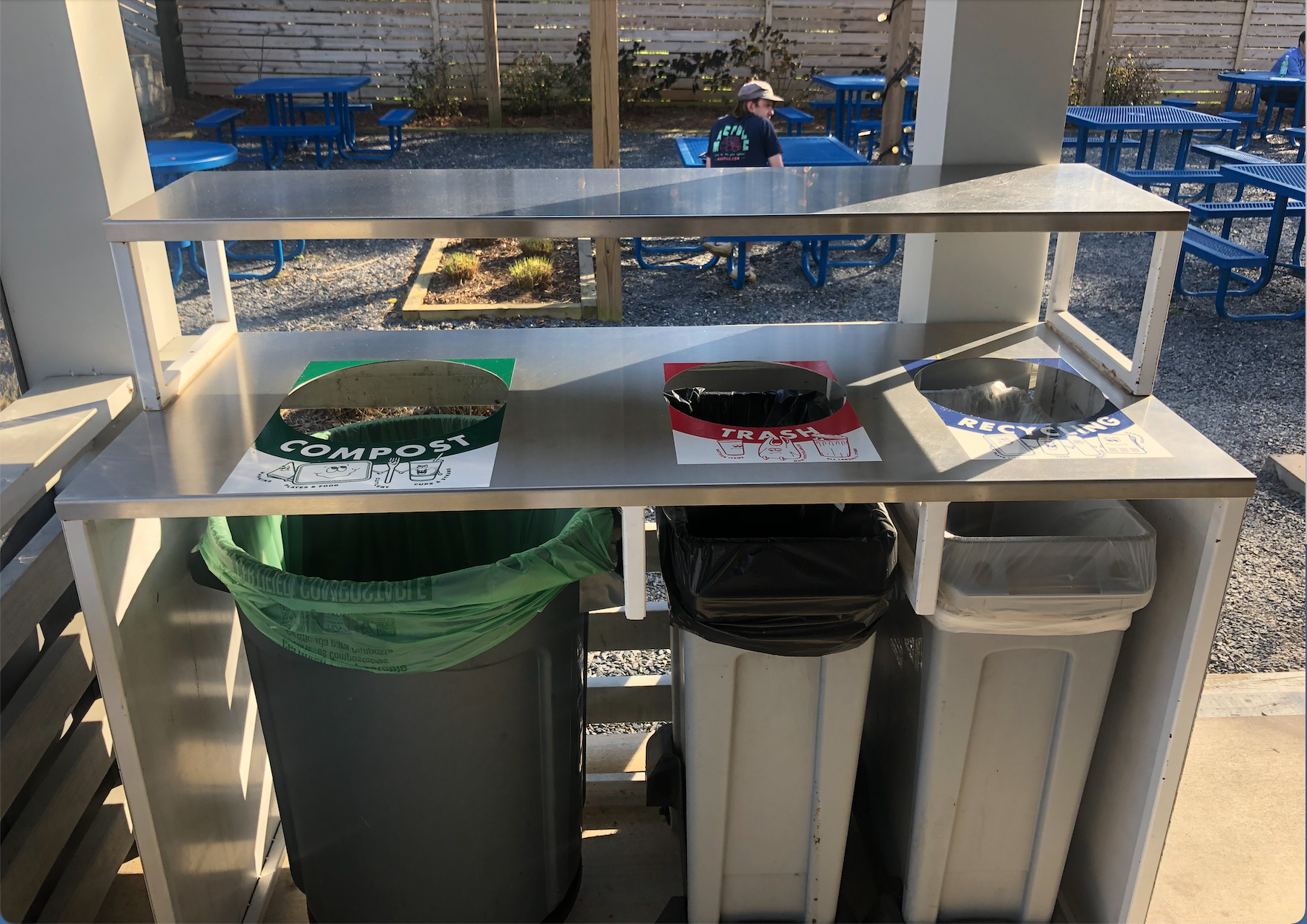
Spread of Sustainable Restaurants in Athens: How Composting Is Making Local Restaurants Greener
The last Maepole customer stands from their table and makes their way to a compost bin on the verge of overflow from the day’s diners. After another bustling dinner service, staff began their nightly routine of scrubbing down the kitchen, breaking down seating, sanitizing equipment and taking out the compost;…
-

Rook and Pawn Bartender Divulges Impact of COVID-19
Abigail Burrow, a bartender at The Rook & Pawn, describes her personal experience navigating her job at Athens’ unique board game bar. She provides Iris Hersey with the unique perspective of being the person behind the bar during a time when some find it hard to justify even being…
-
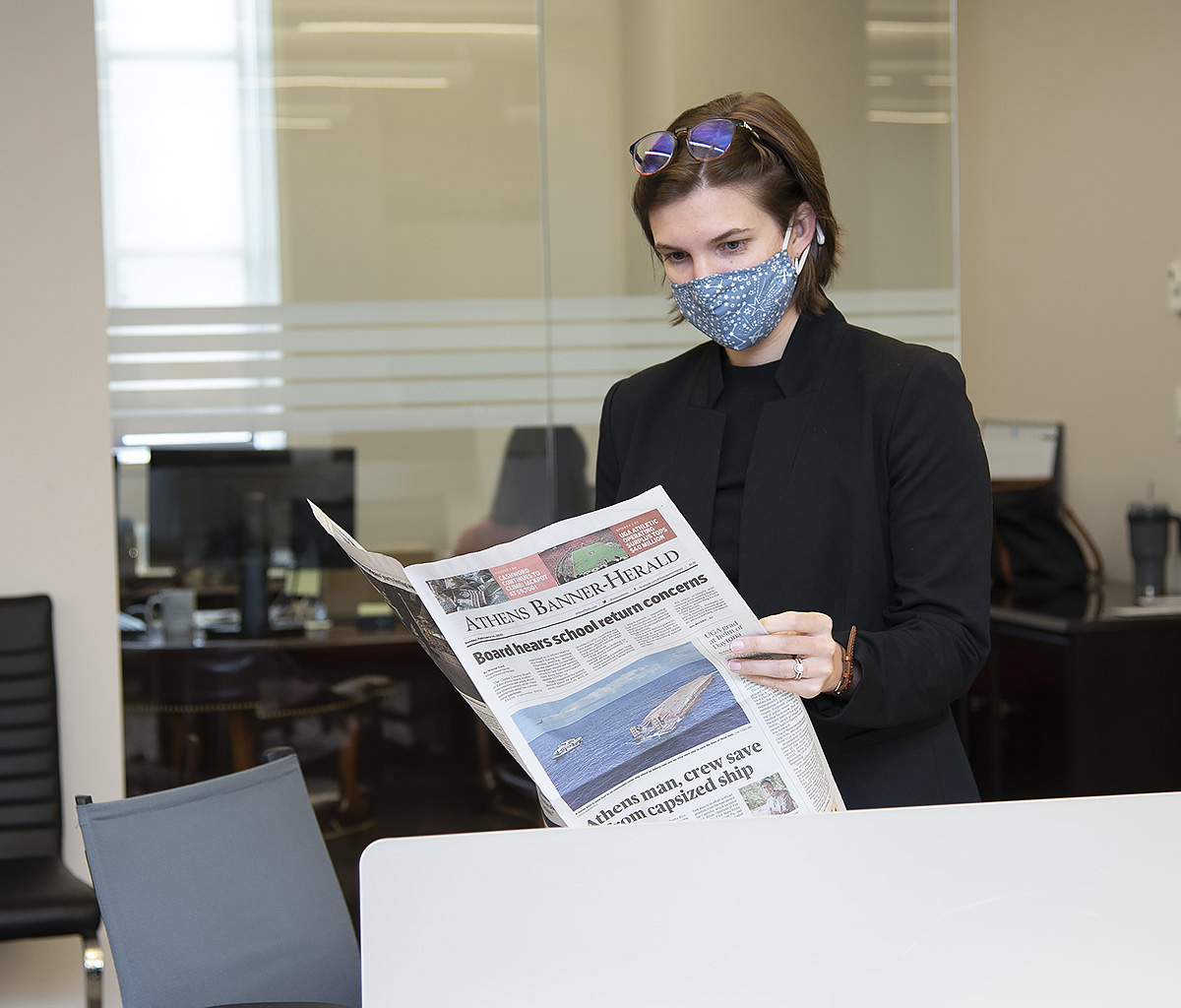
Executive Editor of the Athens Banner-Herald Reflects on Nonprofit Elements in the News
Caitlyn Stroh-Page, the executive editor of the Athens Banner-Herald, said the future of many local papers will include some nonprofit elements. Stroh-Page oversees the Athens Banner-Herald, including the online subscription service, OnlineAthens.com. While a student at the Grady College of Journalism and Mass Communication, she freelanced for the Banner-Herald. Since…
-

Women in Business Re-Evaluated: How 2 Local Women See Limitations, Challenges
The number of women-owned businesses increased 21%, while all businesses increased only 9%, according to the 2019 State of Women-Owned Business Report funded by American Express. Yet, two women in Athens see this statistic from different perspectives. Taylor Pender is the president of the UGA Women in Business Organization, and…
-

Election Results May Have Little Impact on Survival of Businesses
“The economy is going to get over this,” said economics professor William Lastrapes, “it just could take a long time.” The winner of the presidency might not make much of a difference in the survival of businesses. Some businesses, such as bike shops, have thrived during this time,…
-
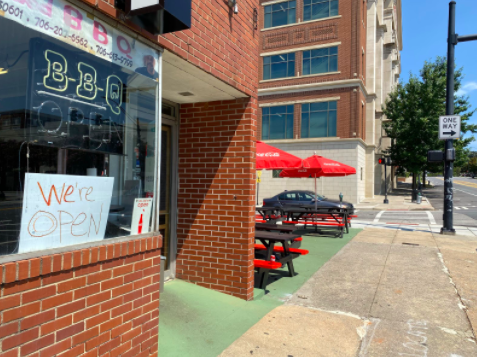
How Economic Issues Are Taking Forefront For Athens Businesses During Election 2020
Athens’ local economy, like most of the world’s, has faltered and dipped since March in the wake of the coronavirus pandemic. But that does not mean everyone has been affected equally. After businesses were forced to shut down, and a statewide shelter-in-place mandate went into effect temporarily on April 2,…
-

New Start-Up, Old Non-Profit Discuss How Businesses Can Be Anti-Racist
After a summer of civil unrest, conversations about race are at the forefront of every aspect of life, and corporations have had to make decisions about where they stand on racism. For many, the concept of “anti-racism” was a new issue. However, actively combatting racism isn’t new for many operators…
-

Another Option: Broadband Internet Plan Coming to Oconee County
The issue of spotty internet in Oconee County is not a novel concept to Kelley Buttrick, a professional voiceover talent working from her home in Bishop, Georgia, in the southern portion of Oconee County. She said her ability to communicate with her clients is often hindered by the unreliable internet…
-
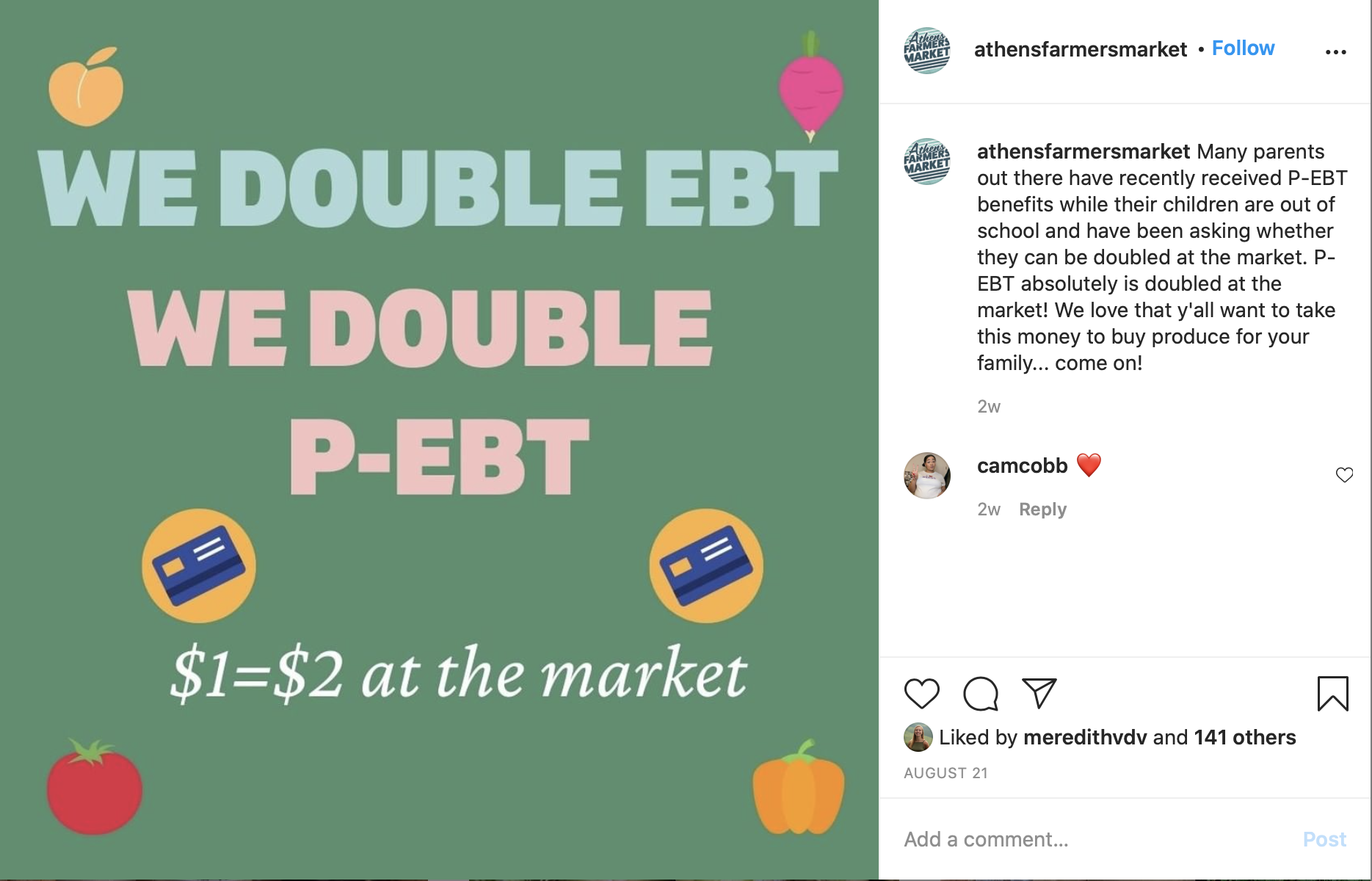
Farmers Market Doubles Food Stamps to Help Triple Impact
A local parent is challenging the Athens community to give and save. Jenn Thompson is encouraging people to swipe their Pandemic Electronic Benefit (P-EBT) card at the Athens Farmers Market to get their benefit funds doubled, purchase goods for half price and donate the original amount swiped to the Athens…
-

How Technology Helps Athens Woodworking Business Thrive Without Physical Store
When Mark and Rhonda Palmer first took their woodworking business, Grands Designs, to markets, their most popular items were their rectangular cutting boards and “llama that’s similar to the llama character in Fortnite” ornaments. Now, charcuterie serving boards and unicorn magnets have taken over as their top sellers. “We listen…