Into the Wild: UGA Students Head Outdoors for Summer Internships

For students at the University of Georgia in wildlife-based majors, internships can provide for unique adventures. However, encountering these kinds of opportunities is challenging due to the specialization of their studies, and with decreased funding in recent years, many students have struggled to secure internships in their chosen field.
Why It’s Newsworthy: University of Georgia students who have niche majors are facing issues with finding and securing internships for the summer despite help from university connections.Hamilton Lacey, a third-year ocean science major, is doing a research paper on bacterial abundance on Skidaway Island in Savannah. He learned about this research need through a class this semester, and is doing the work on his own. He has looked for internships, but found the process very difficult.
It’s almost impossible to get a paid one,” Lacey said. “I just had to do my own thing, that was the only way to really get a good one.”
For many, connections on campus are the only way to find an internship. Those connections include professors, advisors, UGA programs and peers that can offer guidance when finding opportunities. In 2026, UGA’s Marine Extension and Georgia Sea Grant offered seven different internships. This program focuses on giving students experience with hands-on research and is one way to help UGA students find opportunities when external options are limited.
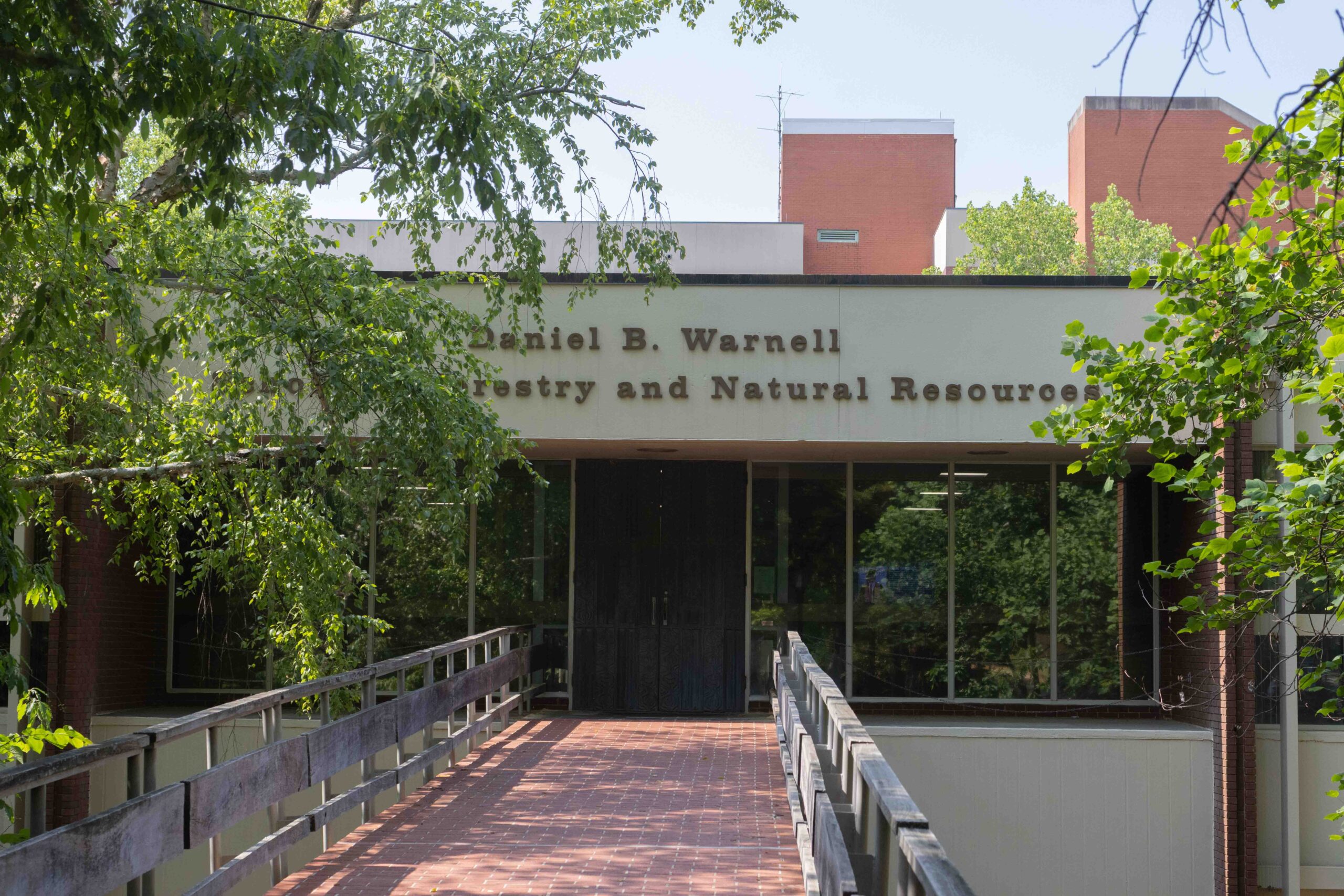
MK Miller, a career consultant for UGA’s Career Center, said applying early and networking constantly is most important for having success finding summer internships. She advises students to contact the center early in the fall, rather than in the spring semester, when many positions are already finalized. Even still, students in specialized fields, like forestry, are likely to face a unique process in comparison to students in more common fields.
Scarlett Maze, a third-year fisheries and wildlife major, has applied to upwards of 20 internships, but she is yet to finalize her summer plans. Maze said funding is depleting for wildlife sciences right now, and she and peers in Warnell are working to lift each other up during this challenge. Maze also noted the impact that some of her professors have had in supporting her and her peers amid such uncertainty.
“It’s very scary right now,” Maze said, in response to the defunding of wildlife research and jobs. The Trump administration has proposed a 2027 budget that defunds the U.S. Fish and Wildlife Service, U.S. Geological Survey, U.S. Forest Service, Natural Resources Conservation Service and National Institute of Food and Agriculture.
Still, some students in Warnell are finding success.
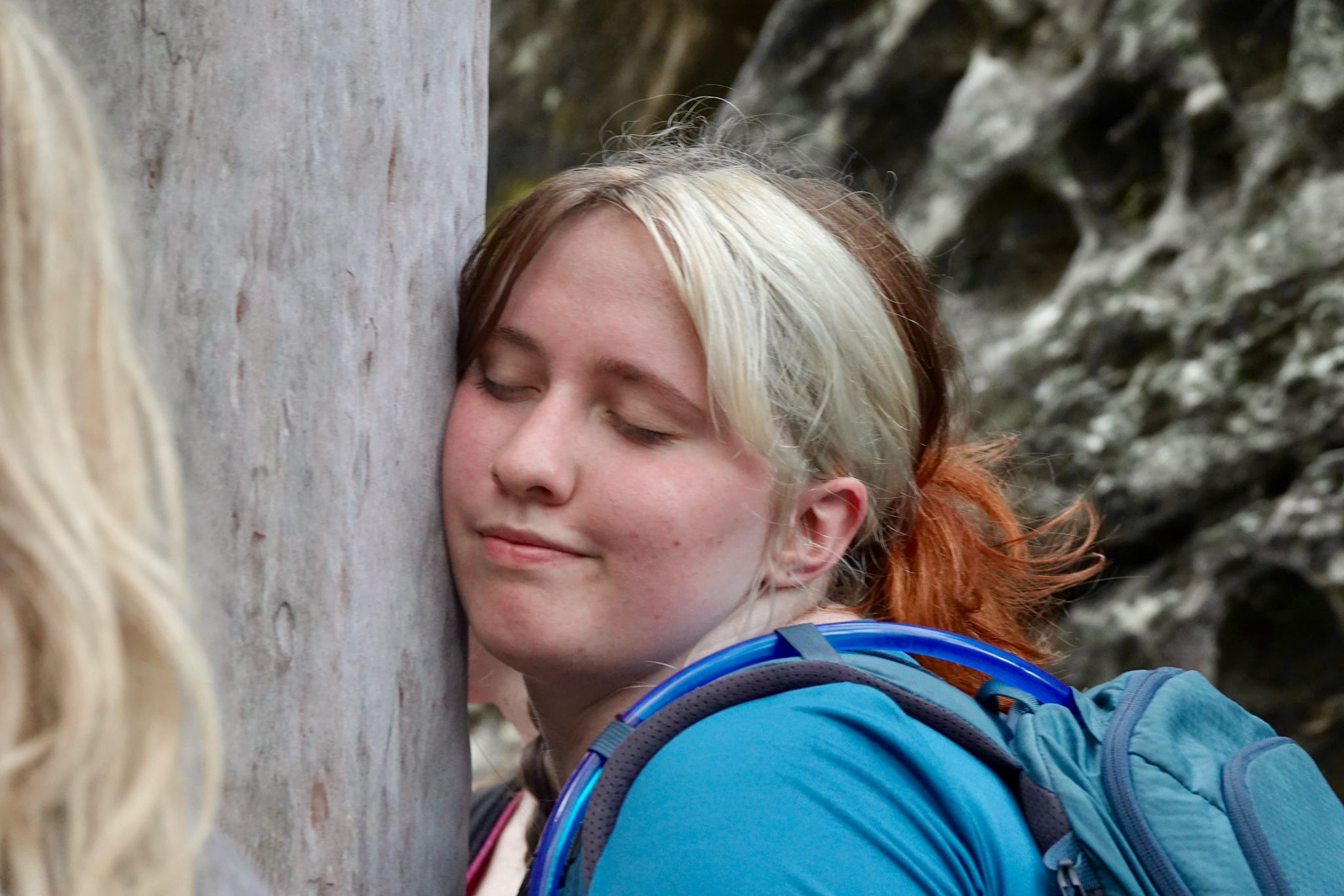
Reid Jackson, a third-year wildlife science major, is going to South Carolina for two weeks for the Beasley Wildlife Lab, a UGA Maymester. Afterward, Jackson will go to South Africa for the rest of the summer to conduct a camera trap survey, an opportunity he found through a hometown connection.
Jackson emphasized how his peers and faculty in Warnell School of Forestry and Natural Resources encouraged and supported him in finding experience this summer. Specialized classes have aided Jackson in focusing his lens, providing him a better understanding of how he wants to use his degree.
Jackson plans to attend graduate school, a common path for students in less populated majors like him. Warnell has 285 undergraduates, and in the class of 2025, 21% of students reported that they’ll attend graduate school, according to the UGA Career Center.
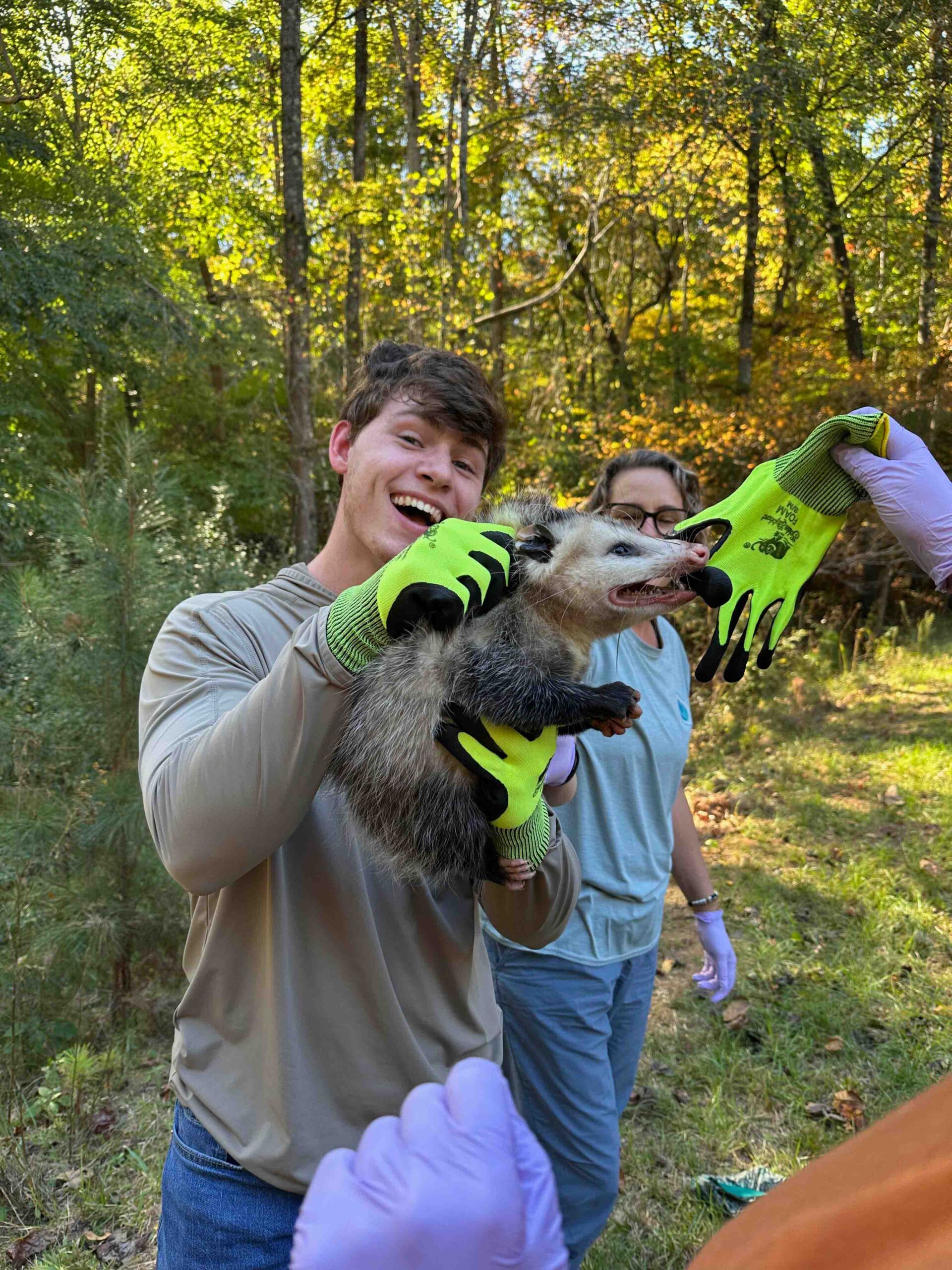
“A lot of people in this field have to go to grad school, it’s just kind of the nature of what we do,” Maze said. “Having those connections and being able to rely on those people that you’ve made connections with through internships is really important, especially when you’re applying for jobs and grad school.”
Even with connections, Maze and many of her peers have felt discouraged through the process of finding a summer internship. Still, wildlife sciences majors are familiar with braving uncertain elements, and they work together to support one another in the midst of an unpredictable climate.
“There has to be a light at the end of the tunnel,” Maze said.
Clarice Henry, Ninon, William Reed, Sarah Roper and Helen Slawson are journalism majors in the Grady College of Journalism and Mass Communication.