Bridging the Gap: Working Toward Education, Prevention for ACL Injuries

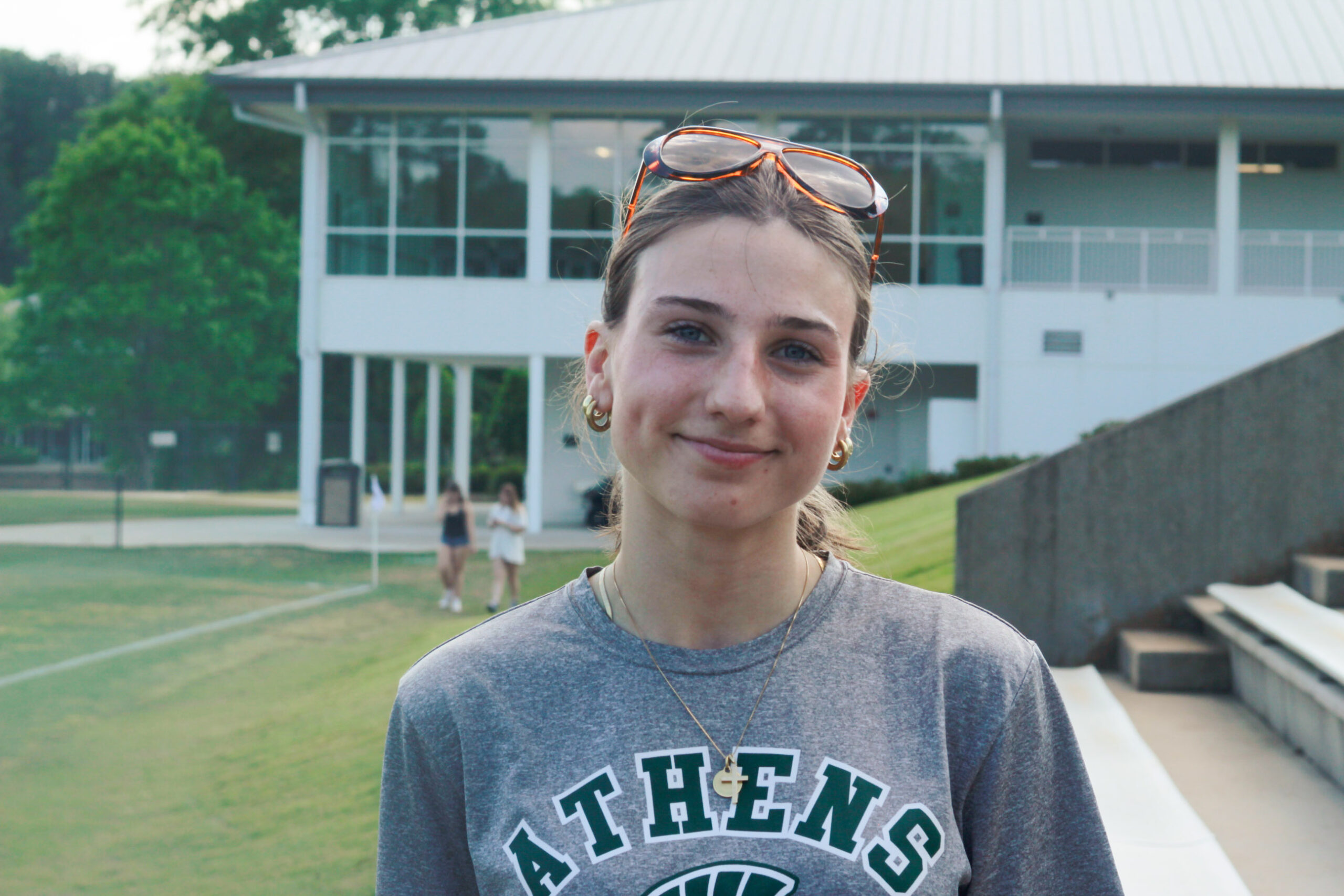
A pop, a crack and instant pain. Selah Ogburn, a junior soccer player at Athens Academy, knew this injury was different, more severe than when she had severed her finger (later surgically reattached).
This time, there was no visible damage, only uncertainty and intense pain. Ogburn first tore her ACL and meniscus during her sophomore year at a club soccer practice in fall 2024. At Athens Academy this year, six student-athletes have suffered ACL injuries, a number that reflects what trainers and coaches say is a broader gap in prevention education. A New York Times article published Feb. 26, 2026 reported that many ACL tears could be prevented with simple strengthening routines, yet those practices are not widely implemented.
Athens Academy head athletic trainer Eleni Petrou said an ACL tear can happen in an instant. Some athletes hear a sudden “pop” and feel immediate pain, though symptoms vary.
I just remember, I heard a pop,” Ogburn said.
“And then I landed on it, and then crack. And I just remember, it was too painful to cry.”
After her initial injury, Ogburn underwent surgery on Oct. 3, 2024. Nearly a year later, she re-injured her ACL and meniscus in the same knee, leading to a second surgery on Oct. 7, 2025. Both procedures used patellar tendon grafts taken from each knee. The injuries cost her nearly two years of play, though she hopes to return for her senior season.
Ogburn’s coach, Rachel Hines, said ACL injuries carry an emotional toll.
“It’s immediate tears, head in your hands, because you realize something you love so deeply — friendships, competitiveness, just being outside, achieving a common goal — is suddenly taken away for a year or more,” she said. “It feels really lonely in that moment, wondering how you’ll ever get back to playing.”
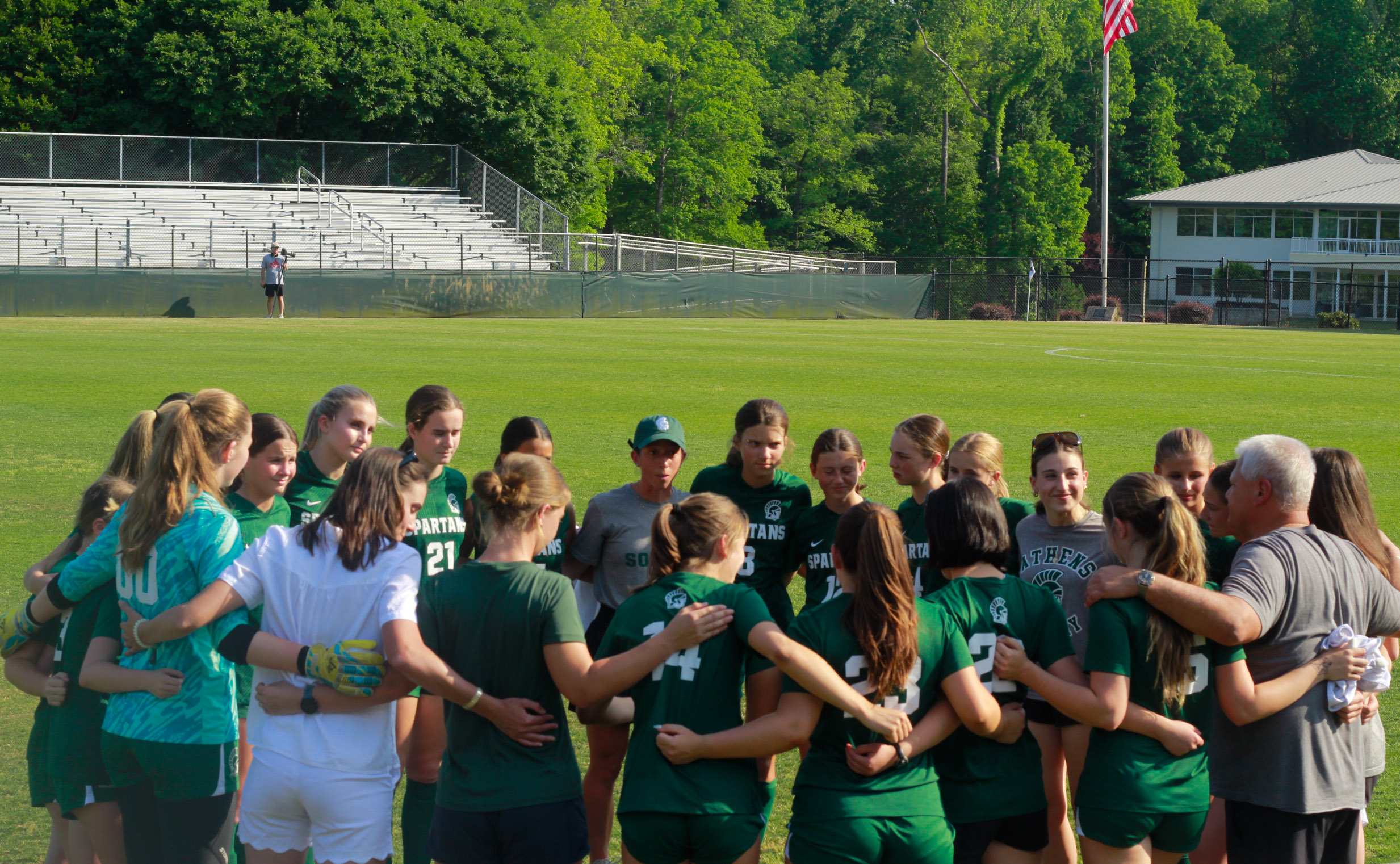
(Photo/Morgan Shaw)
After the initial shock of the injury, the focus shifts to a long road to recovery. Petrou said recovery can begin with regaining motion before surgery, followed by rehabilitation.
“Surgery-wise, it’s a nine- to 12-month recovery before being cleared to participate in sports, especially contact activities,” she said.
Preventing an ACL injury requires something many young athletes and families lack: information, said Katie Terrell, athletic trainer and outreach coordinator for Piedmont Athens Regional Orthopedic and Sports Medicine in Georgia.
“Everyone knows it’s a possibility, but they don’t have the information on the front end of how to correct it or reduce the likelihood,” she said. “The biggest influence on an athlete is through the coach and the parents.
If they’re not engaged, it doesn’t hit their radar until their child actually has an injury.”
Even when coaches know prevention strategies, time and resources can get in the way. Warm-ups—often the simplest form of injury prevention — are sometimes shortened or skipped.
Hines points to structured warm-up programs like FIFA 11+ as effective tools, along with strength and conditioning.
“At the school level, implementing these strategies can be complicated. We have 17 sports going on at the same time,” Petrou said. “At the collegiate level, you can work individually with a team, but in high school, you’re trying to educate a lot of coaches at once.”
Another factor is that female athletes face a higher risk of ACL injuries because of a variety of factors, including hormonal fluctuations.
“Male testosterone levels rise rapidly, but females’ [levels] don’t, which makes a huge difference in muscle mass and control,” Terrell said. She emphasizes stronger quadriceps and hamstrings, targeted strength training, and proper jump mechanics.
Beyond the physical damage, injury can reshape an athlete’s identity. For Ogburn, the mental toll has been as significant as the physical recovery.
I’m looking more into the future,” she said. “Do I even want to play again? That’s a hard path.”
The model also allows trainers to track injury patterns and adjust training.
“Hey, this year you’ve had X amount of knee injuries,” Petrou said in an example. “How about we implement this type of strengthening program in the preseason?”
Those efforts extend to younger age groups. Terrell said initiatives like the Athens Youth Sport Initiative aim to reach families earlier, focusing on nutrition, biomechanics and safe training habits.
“There’s not a lot of resources in community sports medicine, so you have to get as much programming out through whatever the youth sport organization is,” she said.
Even with growing awareness, prevention isn’t about eliminating risk entirely but lessening it. That includes building core and hip strength, gradually increasing activity, and paying attention to recovery, sleep, nutrition and hydration.
Don’t go from zero to 100,” Petrou said. “Build up to it.”
For athletes like Ogburn, the focus is on what comes next. After missing time, she is determined to return not just to play, but to make it count.
“I probably miss it more this time because this is my second year in a row,” she said. “I have to go through everything I just did again, even harder. That is probably the most different thing. But when I come back for my first game, I don’t think I’ll be any different than it was the last time.”
Morgan Shaw is a student in the undergraduate certificate program at the John Huland Carmical Sports Media Institute at UGA.